

How a Tachograph Works: The Definitive Guide to Commercial Vehicle Compliance and Technology
In modern commercial transport, few onboard devices carry as much weight as the tachograph. Designed to record vehicle speed, distance traveled, and driver activity, this device serves as the primary tool for enforcement agencies verifying compliance with labor laws and road safety rules.
Far from being a simple monitoring device, the tachograph is a driver’s silent witness on the road. It ensures fair competition among logistics providers, prevents driver exploitation, and keeps highways safe by enforcing mandatory rest intervals.
What Is a Tachograph and Why Is It Mandatory?
A tachograph is an electronic or electromechanical recording device fitted to heavy goods vehicles (HGVs) and buses. Its main function is to log every minute of a driver’s duty cycle to ensure strict adherence to driving time regulations.
The legal requirement for tachographs stems from the need to eliminate driver fatigue, which remains one of the leading causes of severe accidents in long-haul transport. By recording real-time vehicle movement, the device creates an unalterable log of operations.
Key Operational Modes of a Tachograph
A standard tachograph automatically or manually categorizes time into four distinct activities:
-
Driving (Automatic): Logged as soon as the vehicle moves.
-
Other Work (Manual/Automatic): Tasks such as loading, unloading, maintenance, or administrative paperwork.
-
Availability (Manual): Period during which the driver is waiting for work, co-driving, or sitting beside another driver.
-
Rest/Break (Manual): Uninterrupted rest periods where the driver can freely dispose of their time.
The Evolutionary Types of Tachographs
Tachograph technology has undergone significant transformations over the past decades to combat tampering and streamline data collection.
+-------------------------------------------------------------------+
|                     TACHOGRAPH EVOLUTION                          |
+-------------------+---------------------------+-------------------+
| Analog            | Digital                   | Smart (Gen 1 & 2) |
| • Paper Discs     | • Driver Cards            | • GPS / GNSS      |
| • Manual Trace    | • Encrypted Memory        | • DSRC Remote     |
| • Mechanical      | • Electronic Sensor       | • Auto Borders    |
+-------------------+---------------------------+-------------------+
1. Analog Tachographs
Older systems used a round, wax-coated paper chart inserted behind the speedometer. A mechanical stylus scratched lines onto the disc to show speed, distance, and working mode. While straightforward, analog charts were vulnerable to physical damage and easy to falsify.
2. Digital Tachographs
Introduced in Europe in 2006, digital tachographs replaced paper charts with microchip-embedded smart cards and internal flash memory. Data is stored in an encrypted format, making unauthorized alterations extremely difficult.
3. Smart Tachographs (Generation 1 & 2)
The latest generation of devices elevates compliance through automation:
-
Smart Tachograph v1 (since 2019): Integrated Satellite Navigation (GNSS) to record starting and ending locations automatically.
-
Smart Tachograph v2 (Mandatory for International Transport): Automatically logs border crossings, records loading/unloading events, and uses enhanced Dedicated Short-Range Communication (DSRC) for remote inspection by enforcement officers.
How Does a Tachograph Work? Technical Architecture
At its core, a digital tachograph system relies on three interconnected elements working in real time to capture, encrypt, and record vehicle dynamics:
[ Gearbox Motion Sensor ] ---> ( Encrypted Cable ) ---> [ Vehicle Dashboard Unit (VU) ]
                                                                 |
                                                                 +---> [ Driver Smart Card ]
                                                                 +---> [ Thermal Printer ]
                                                                 +---> [ DSRC Remote Antenna ]
The Gearbox Speed Sensor
Mounted directly on the vehicle’s transmission output, a motion sensor measures shaft rotations. Modern sensors use cryptographically secured signals to send pulse data to the main unit, preventing magnetic interference or pulse-blocking bypass techniques.
The Vehicle Unit (VU)
Located in the driver cabin dashboard, the Vehicle Unit is the central processing hub. It houses:
-
Dual micro-smartcard slots (for single or double-crewed trips).
-
High-capacity internal memory (stores vehicle data for at least 365 days).
-
Integrated thermal printer for instant roadside audit printouts.
-
Display interface for driver inputs, manual entries, and system warnings.
The Driver Smart Card
Every professional driver uses a personal smart card issued by their national transport authority. The card stores at least 28 days (and up to 56 days under updated EU regulations) of detailed activity data, including speed profiles, faults, and activity switches.
Comparison: Analog, Digital, and Smart Tachographs
| Feature / Capability | Analog Tachograph | Standard Digital | Smart Tachograph v2 |
| Data Storage Medium | Paper Wax Discs | Microchip Card & VU Memory | Smart Card & Encrypted Cloud/VU |
| Location Tracking | Manual Written Notes | None (Manual Entry) | Automated GNSS GPS Tracking |
| Remote Inspection | No | No | Yes (DSRC Wireless Pre-Check) |
| Border Crossing Logging | Manual Stop Required | Manual Entry at Border | Automatic via Satellite |
| Tamper Resistance | Low (Mechanical) | High (Digital Encryption) | Maximum (Paired Cryptography) |
ℹ️ Technical Note: The DSRC (Dedicated Short-Range Communication) module in smart tachographs allows traffic inspectors to scan passing trucks at highway speeds. It transmits data regarding calibration dates, security breaches, and power interruptions without forcing the driver to pull over unless a discrepancy is detected.
Why the Tachograph is Essential for Fleet Logistics
While some view the tachograph strictly as a regulatory compliance tool, it provides substantial operational benefits across the transport sector:
-
Preventing Driver Fatigue: By enforcing rigid rest intervals (such as the mandatory 45-minute break every 4.5 hours of driving), it drastically lowers fatigue-related highway collisions.
-
Level Playing Field for Hauliers: It prevents unscrupulous transport operators from forcing drivers into illegal, overworked shifts to undercut fair market prices.
-
Legal Protection for Drivers: In the event of an accident investigation, tachograph logs serve as court-admissible evidence proving speed, braking behavior, and compliance.
-
Telematics and Fleet Optimization: Modern digital units stream real-time driver availability data into fleet management software, enabling dispatchers to plan routes without violating driving limits.
⚠️ WARNING: Attempting to manipulate tachograph data using magnets, illegal software modifications, or fake driver cards is a serious criminal offense. Penalties include heavy financial fines, vehicle impoundment, suspension of transport licenses, and imprisonment for drivers and operators.
Concluding Thoughts
The tachograph has evolved from a simple mechanical speedometer into a highly sophisticated, satellite-connected telematics node. By linking vehicle telemetry directly to driver identity, smart tachographs uphold safety, shield commercial drivers from overwork, and drive efficiency across global supply chains.
✍️ Autor: Bejenaru Alexandru Ionut – [email protected]
🔗 Link intern: https://diagnozabam.ro/sfaturi
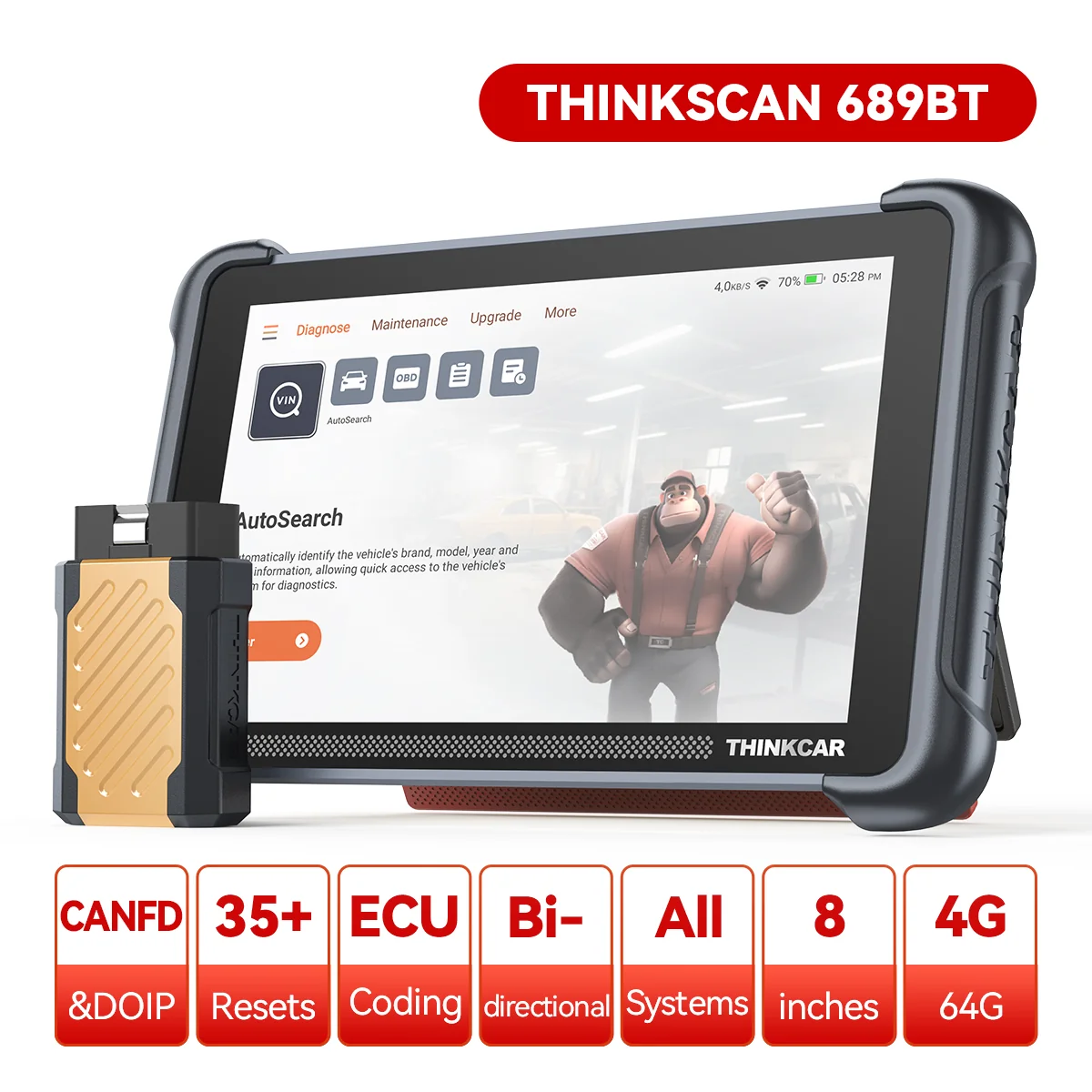
Recomandare: Cauți un tester auto profesional cu funcții avansate bidirecționale și diagnoză completă pe toate sistemele? Folosește codul DIAGNOZABAM pentru 10% reducere.
Notă de transparență: Acest link este de afiliere. Dacă cumperi prin el, prețul tău rămâne neschimbat (0 lei în plus), dar susții proiectul nostru. Vezi Ofertă Thinkcar →