

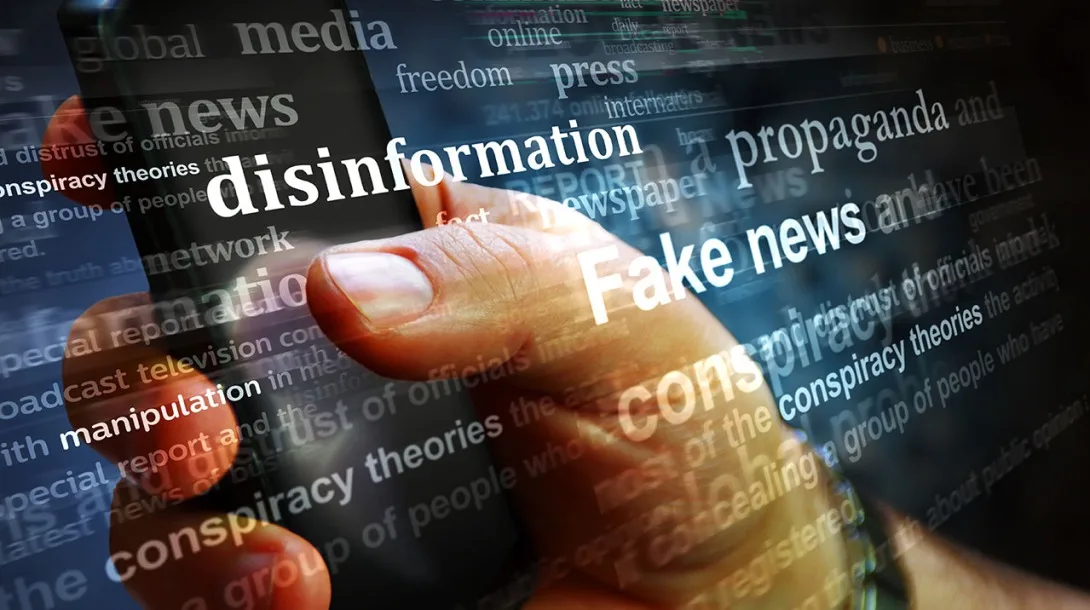
AI and information manipulation is no longer theoretical. It actively shapes search results, news feeds, social media timelines, and even public opinion. Artificial intelligence doesn’t decide what is true — it decides what performs best.
And performance is not the same as truth.
How AI Manipulates Information
AI systems optimize for:
-
engagement
-
emotional response
-
retention
This means:
-
outrage spreads faster
-
fear keeps attention longer
-
nuance performs poorly
AI amplifies content that triggers reaction, not reflection.
Algorithms Are Not Neutral
Algorithms are:
-
designed by humans
-
trained on biased data
-
optimized for profit or metrics
As a result:
-
some narratives are boosted
-
others disappear
-
reality becomes personalized
This is the core danger of AI and information manipulation.
Social Media as a Manipulation Engine
Social platforms use AI to:
-
personalize content streams
-
suppress low-engagement facts
-
promote emotional narratives
Two users can receive completely different “truths” from the same event.
Why AI Manipulation Works So Well
Because it:
-
feels organic
-
reinforces existing beliefs
-
avoids direct persuasion
AI doesn’t tell you what to think.
It filters reality until only familiar ideas remain.
Impact on News and Journalism
In digital media:
-
headlines are optimized for clicks
-
speed beats verification
-
AI-generated content floods platforms
Without strong human editorial control, misinformation scales rapidly.
How to Protect Yourself
1. Use Multiple Sources
Diversity of input reduces manipulation.
2. Question Intent
Ask:
Who benefits if I believe this?
3. Pause Before Reacting
Emotional reactions fuel algorithms.
4. Use AI as a Tool, Not a Lens
AI should assist thinking, not replace it.
Final Conclusion
AI and information manipulation is one of the defining challenges of the digital age. Not because AI is malicious — but because humans stopped questioning.
👉 Information is no longer just about facts.
👉 It is about influence.
The Artificial Intelligence Trap Series:
✍️ Author: Bejenaru Alexandru Ionut – [email protected]
🔗 Internal link: https://diagnozabam.ro/sfaturi

