

Foggy, yellowed, or oxidized headlights don’t just ruin your car’s appearance — they significantly reduce nighttime visibility and driving safety.
If you’re wondering whether a cheap DIY headlight restoration kit actually works, the answer is simple: yes, but only if used correctly.
This guide explains step-by-step how to restore headlights at home, with real results and practical tips.
What’s Included in a Headlight Restoration Kit
Most DIY kits come with everything needed for a full restoration:
- sanding discs (P800, P1200, P2000)
- polishing pad
- polishing compound
- drill attachment (pad holder)
- masking tape
- protective wipe (liquid polymer coating)
These tools are enough to achieve a clear finish without professional equipment.
Step-by-Step Headlight Restoration Process
1. Cleaning and Degreasing
Start by thoroughly cleaning the headlight.
Use car shampoo and remove all dirt, grease, and insect residue. Any contamination can cause scratches during sanding.
2. Masking the Surrounding Area
Apply masking tape around the headlight.
This step protects your car’s paint and should never be skipped.
3. Wet Sanding (Critical Step)
This is where the actual restoration happens.
- P800 – removes oxidation layer
- P1200 – smooths the surface
- P2000 – refines and prepares for polishing
Important tips:
- always use water
- apply light pressure
- use consistent movements (horizontal or circular)
After sanding, the headlight will look dull — this is normal.
4. Polishing
Apply polishing compound and use:
- a drill (recommended)
or - manual polishing (slower)
Continue until the headlight becomes clear again.
Wipe with a microfiber cloth for a clean finish.
5. Protective Coating (Very Important)
Apply the liquid polymer evenly and allow it to cure for 1–2 hours.
Avoid washing the car for at least 24 hours.
This step determines how long the result will last.
How Long Does the Result Last?
Durability depends on the protection used:
- DIY kit protection: 2–3 months (up to 6 months)
- professional coating (2K clear coat or PPF): 1–2 years
Without protection, oxidation will return quickly.
Common Mistakes to Avoid
- working in direct sunlight
- skipping sanding steps
- applying too much pressure
- not using water during sanding
- skipping the protective layer
Also, if the headlights are:
- cracked
- heavily peeled
- deeply damaged
polishing will not fully restore them
Is a DIY Headlight Restoration Kit Worth It?
YES, if:
- headlights are only oxidized
- you want a fast and cheap fix
- you follow all steps carefully
NO, if:
- headlights are severely damaged
- you expect long-term professional results
Final Verdict
DIY headlight restoration is one of the most cost-effective ways to improve both the look of your car and driving safety.
With the right technique, you can achieve impressive results at home. However, for long-lasting clarity, professional protection remains the best solution.
What Polishing Machine Should You Use (Recommended Tool)
If you want proper results when restoring headlights at home, using a polishing machine makes a major difference. A solid option for DIY users is:
👉 1600W Rotary Car Polisher
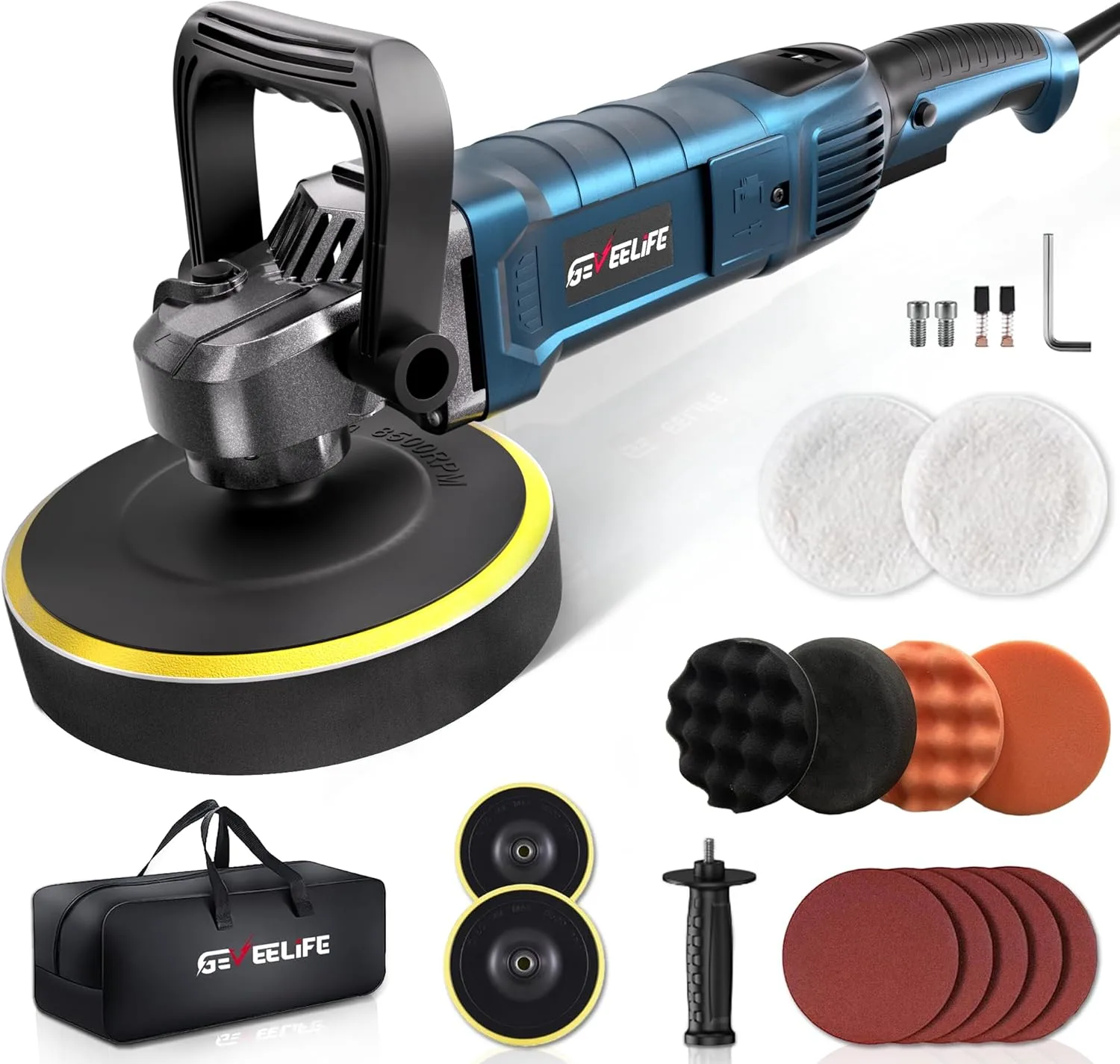
Key Specifications
- Power: 1600W
- Speed range: 1000 – 3500 RPM
- 7 variable speed settings for better control
- Disc size: 6–7 inch
- Detachable handle
- Includes polishing pads and accessories
Why It Works Well for Headlight Restoration
- Variable speed allows safe work on plastic surfaces
- Strong enough to restore clarity efficiently
- Comes with accessories, no extra investment needed
- Suitable for beginners and intermediate users
For headlights, always use low to medium speeds.
How to Use It Correctly on Headlights
- Start at low speed
- Do not apply excessive pressure
- Keep the machine moving constantly
- Use a soft finishing pad for final polishing
When combined with proper sanding and protection steps, results are significantly better compared to manual polishing.
Is It Worth Buying?
Yes, if:
- you want faster and better results
- you plan to restore multiple headlights
- you also intend to polish car paint
No, if:
- you only need a one-time quick fix
Pro Tip
Many users claim DIY kits do not work.
In reality, the main limitation is not the kit itself, but the lack of a polishing machine. Manual polishing produces weaker and shorter-lasting results compared to machine polishing.
✍️ Author: Bejenaru Alexandru Ionut – [email protected]
🔗 Internal link: https://diagnozabam.ro/sfaturi
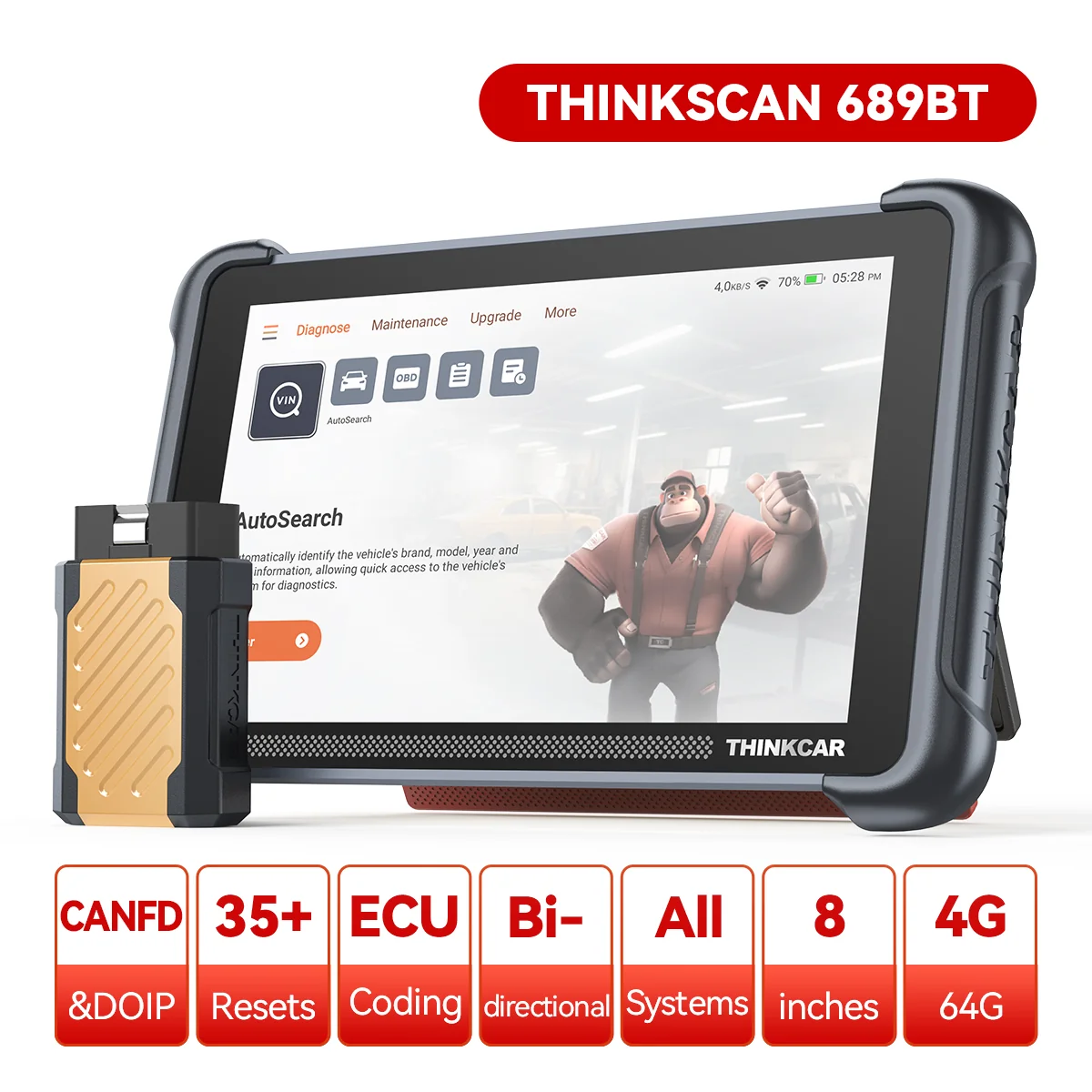
Recommendation: Looking for a professional bi-directional diagnostic tool with full system coverage? Use code DIAGNOZABAM for 10% off.
Transparency note: Affiliate link. Purchasing through it costs you nothing extra. View Thinkcar Deal →
