

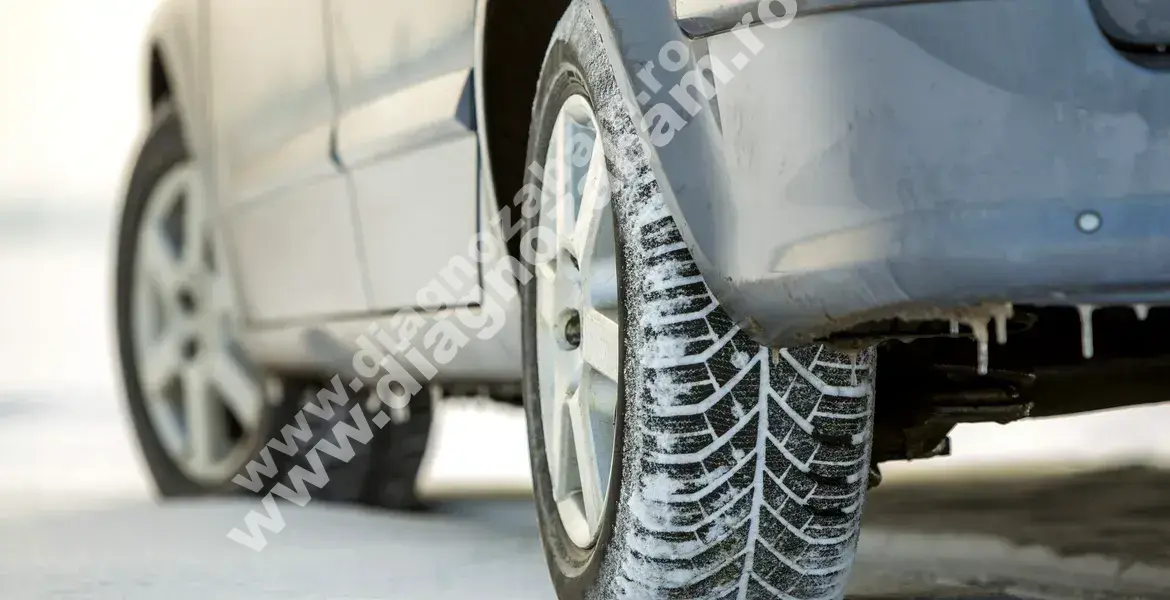
When it comes to road safety, few things are as crucial yet often overlooked as the minimum tire tread depth. Tires are the only point of contact between your car and the road, and their condition determines how well your vehicle grips, accelerates, and stops. A few millimeters of tread can be the difference between a safe stop and a dangerous skid.
⚖️ What Is the Minimum Legal Tire Tread Depth?
According to European and international regulations (ECE Regulation No. 30) and most national traffic laws, the minimum legal tire tread depth for passenger vehicles is 1.6 millimeters (mm).
Driving with tires below this limit is illegal in most European countries, including Romania, and can result in:
-
fines ranging from €150 to €250,
-
loss of vehicle registration,
-
and increased braking distance, especially on wet roads.
Once the tread depth falls below 1.6 mm, the grooves can no longer properly evacuate water, leading to aquaplaning and loss of steering control.
💡 Recommended Safety Measurements
While 1.6 mm is the legal minimum, experts and tire manufacturers recommend maintaining higher tread depths for safety:
| Tire Type | Recommended Minimum | Ideal for Safety |
|---|---|---|
| Summer tires | 2 mm | 3 mm |
| Winter tires | 3 mm | 4 mm |
| All-season tires | 3–4 mm | 5 mm |
These extra millimeters ensure better traction, shorter braking distances, and enhanced performance during sudden maneuvers or wet conditions.
For winter tires, deeper tread is especially critical — it allows snow to compact inside the grooves, improving grip on icy or snowy roads.
🔧 How to Measure Tire Tread Depth
You don’t need expensive tools to measure the minimum tire tread depth. There are three easy methods anyone can use:
-
Tread Wear Indicators (TWI):
Every tire has small raised bars molded between the tread grooves. When the tread wears down to the same level as these bars, it’s time to replace the tire. -
Coin Test:
Insert a coin (for example, a €1 or 50 bani coin) into the tread groove. If the golden edge of the coin is visible above the rubber surface, your tire tread is below 2 mm and unsafe. -
Digital Depth Gauge:
A simple, inexpensive tool available at most auto parts stores. It gives an exact reading in millimeters.
Always check all four tires — and inspect both the inner and outer edges, as uneven wear can indicate other issues.
⚠️ Causes of Uneven Tire Wear
Uneven tread wear often points to mechanical or maintenance problems such as:
-
Incorrect tire pressure – underinflation wears the edges, while overinflation wears the center.
-
Misaligned wheels – incorrect geometry causes one side to wear faster.
-
Worn suspension or shock absorbers – lead to inconsistent contact with the road.
Regular alignment and rotation help maximize tire life and ensure balanced performance.
🔗 Why Tread Depth Matters
Tires with adequate tread provide better:
-
water evacuation, reducing aquaplaning,
-
traction and stability, especially in corners,
-
shorter braking distance,
-
and fuel efficiency, since well-maintained tires reduce rolling resistance.
Driving with worn tires isn’t just risky; it’s a financial burden too — you’ll spend more on fuel, and premature suspension wear can follow.
🧭 How Often Should You Check Tire Tread Depth?
Experts recommend checking tread depth:
-
once a month,
-
before long trips,
-
and before seasonal tire changes.
If you drive frequently in rainy or cold conditions, make this check part of your routine maintenance — it takes only a few seconds but can save your life.
📘 Reliable Resources
For further reading and official guidance, check:
Conclusion
Maintaining the minimum tire tread depth is not just about complying with the law — it’s about ensuring the safety of everyone on the road.
A few millimeters of rubber can make the difference between control and catastrophe.
Check your tires regularly, replace them when necessary, and remember: safe driving starts where the rubber meets the road.
✍️ Author: Bejenaru Alexandru Ionut – [email protected]
✍️ Author: Bejenaru Alexandru Ionut – [email protected]
🔗 Internal link: https://diagnozabam.ro/sfaturi

