

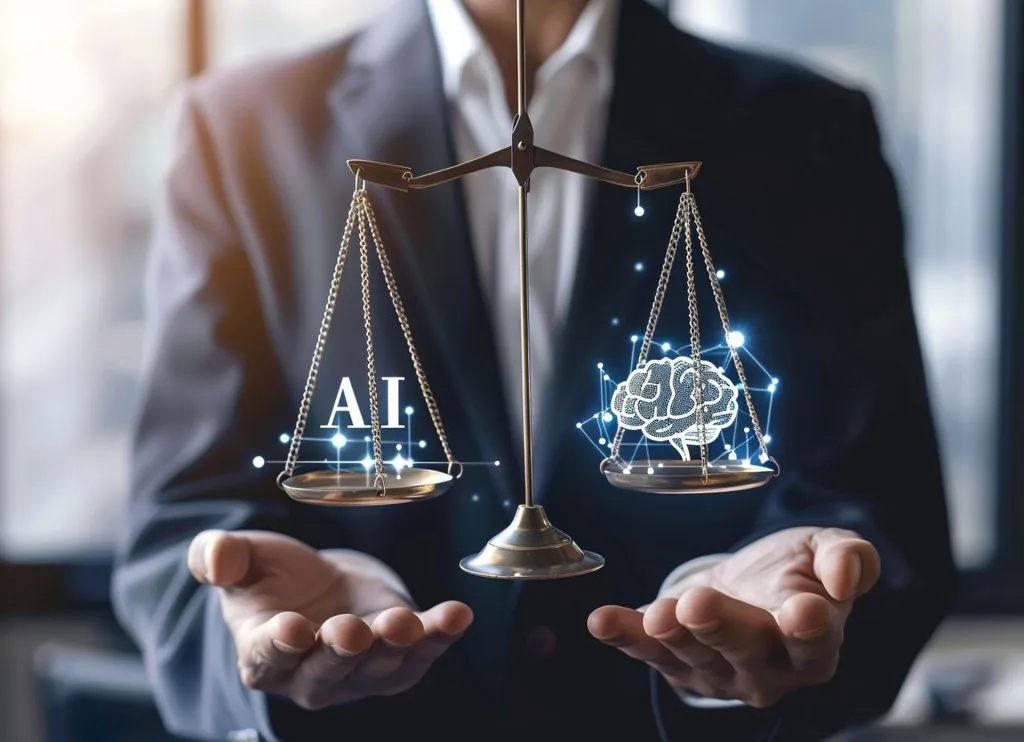
After exploring why AI should not make final decisions and how blind trust erodes expertise, we reach the most critical question:
who is responsible when AI fails?
This question exposes one of the most dangerous weaknesses of modern AI systems:
errors without accountability.
The Accountability Gap
When humans make mistakes:
-
responsibility is assigned
-
consequences follow
-
systems can correct behavior
When AI fails:
-
responsibility is diffused
-
blame is deflected
-
consequences still occur
This gap creates systemic risk.
AI Cannot Be Held Accountable
AI has no:
-
intent
-
moral agency
-
legal identity
It cannot be punished, corrected ethically, or held liable.
Any system that acts without accountability is inherently unsafe.
Developers and Foreseeable Risk
Developers often argue that:
-
models are general-purpose
-
misuse is the user’s fault
-
outputs are probabilistic
Yet many risks are:
-
known
-
documented
-
predictable
Ignoring them is not neutrality — it is negligence.
Companies and Algorithmic Shielding
Organizations increasingly hide behind algorithms:
-
“the system decided”
-
“the process is automated”
This creates a convenient shield against responsibility.
Efficiency replaces accountability.
Users Bear the Consequences
Most users:
-
cannot inspect the system
-
cannot challenge decisions
-
cannot appeal effectively
Yet they suffer the outcomes.
This inversion of responsibility is deeply unjust.
Regulation Is Catching Up — Slowly
Regulators attempt to impose:
-
transparency
-
explainability
-
risk classification
But technology evolves faster than enforcement.
Until accountability is enforceable, harm continues.
Real-World Failures Without Accountability
-
discriminatory credit systems
-
unexplained account bans
-
automated misinformation
-
irreversible automated decisions
In each case, no clear party is responsible.
The Only Viable Solution
AI systems must have:
-
explicit human responsibility
-
auditability
-
appeal mechanisms
-
transparent logic
AI should support decisions, not shield humans from them.
Final Conclusion
Who is responsible when AI fails?
Too often, the answer is: no one.
👉 Until responsibility is clearly human, AI remains a systemic risk.
👉 Progress without accountability is not progress.
The Artificial Intelligence Trap Series:
✍️ Author: Bejenaru Alexandru Ionut – [email protected]
🔗 Internal link: https://diagnozabam.ro/sfaturi

