

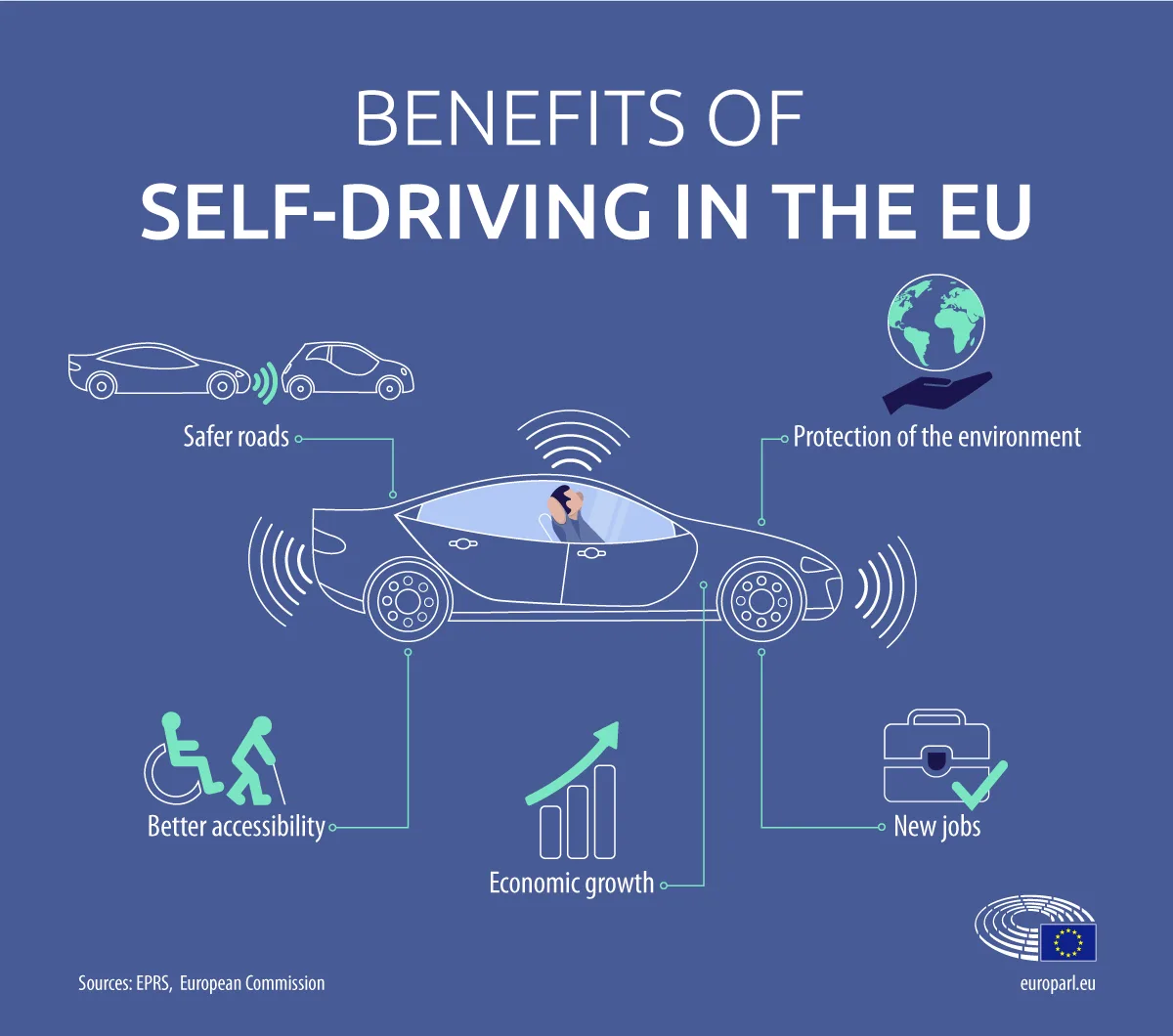
Autonomous Cars 2026 mark a pivotal moment for the European automotive industry. After years of testing and regulatory hesitation, several European countries now allow Level 3 autonomous systems to operate legally in real-world traffic conditions.
This is not experimental anymore. It is regulated reality.
What Does Level 3 Autonomy Mean?
According to SAE standards:
-
Level 2 – Advanced driver assistance
-
Level 3 – Conditional automation
-
Level 4 – High automation
-
Level 5 – Full automation
In 2026, Europe officially approves Level 3 in controlled traffic environments.
Who Leads the 2026 Shift?
Major industry players include:
-
Mercedes-Benz
-
Tesla
-
BMW
-
European Commission
Official regulatory updates can be tracked via https://ec.europa.eu.
Why Autonomous Cars 2026 Are Different
The key difference is legal liability.
When Level 3 is active, responsibility can shift from driver to manufacturer. Germany already established legal frameworks clarifying this transfer of responsibility.
This changes the risk structure of the automotive industry.
Technical and Cybersecurity Challenges
Autonomous systems rely on:
-
Lidar sensors
-
Radar arrays
-
Multiple cameras
-
Dedicated AI processors
With increased connectivity comes increased vulnerability. Cybersecurity becomes a critical priority.
For in-depth automotive system analysis, visit https://diagnozabam.ro.
Market Impact
If adoption accelerates:
-
Insurance models will change
-
Software updates will dominate
-
Hardware redundancy will increase
-
Service complexity will grow
Autonomous Cars 2026 are less about removing drivers — and more about redefining control.
Conclusion
Autonomous Cars 2026 do not eliminate human drivers overnight. But they mark the beginning of regulated shared control between software and humans.
Europe has taken the first legal step.
The road to full autonomy has officially begun.
✍️ Author: Bejenaru Alexandru Ionut – [email protected]
🔗 Internal link: https://diagnozabam.ro/sfaturi

