
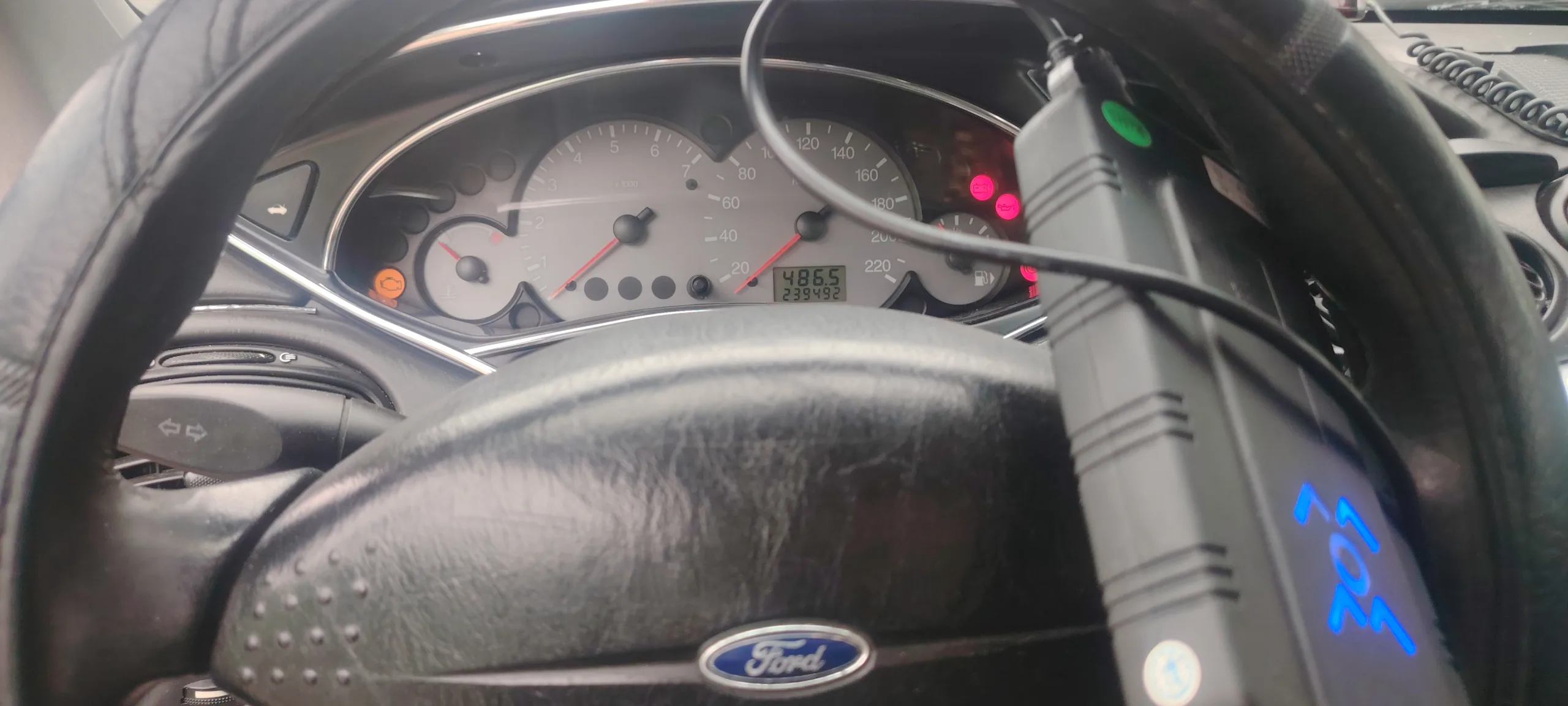
Can you drive with a misfire?
This is one of the most searched emergency automotive questions in the United States. When the engine starts shaking and the check engine light flashes, many drivers ask themselves whether they can “just make it home.”
The short answer?
You can — but you probably shouldn’t.
Understanding what happens internally when a cylinder misfires can save you thousands of dollars in damage.
Let’s break it down clearly.
What Happens During a Misfire?
When a cylinder misfires:
-
Fuel fails to ignite properly
-
Raw fuel enters the exhaust
-
Engine balance is disrupted
-
Power output decreases
Instead of smooth combustion, one cylinder becomes dead weight.
That imbalance creates vibration and stress.
Can You Drive With a Misfire Short-Term?
Yes — in some cases.
If the misfire is mild and the check engine light is steady (not flashing), you may be able to drive a short distance to a repair shop.
However:
-
Avoid highway speeds
-
Avoid heavy acceleration
-
Avoid towing
Driving gently may reduce risk temporarily.
But it is not safe long-term.
When Should You Stop Immediately?
If:
-
Check engine light is flashing
-
Engine shakes aggressively
-
Strong fuel smell appears
-
Power drops significantly
Stop driving immediately.
A flashing check engine light usually means severe misfire that can melt the catalytic converter within minutes.
According to the National Highway Traffic Safety Administration, active misfires can increase emissions and reduce vehicle safety.
External source: https://www.nhtsa.gov
Ignoring it can turn a $300 repair into a $3,000 one.
What Damage Can Happen?
Driving with a misfire can cause:
1️⃣ Catalytic Converter Damage
Raw fuel overheats the converter.
Replacement cost:
$1,500 – $3,500.
2️⃣ Oxygen Sensor Failure
Unburned fuel contaminates sensors.
Replacement cost:
$200 – $400.
3️⃣ Engine Overheating
Incomplete combustion increases heat.
4️⃣ Internal Engine Damage
If caused by low compression or valve issues, damage may worsen rapidly.
Repair cost:
$2,000 – $4,000+.
How Long Can You Drive?
There is no fixed answer.
It depends on:
-
Severity of misfire
-
Cause of misfire
-
Driving conditions
Some vehicles may survive 10–20 miles.
Others may suffer catalytic damage in under 5 miles if the light is flashing.
If the vehicle enters limp mode, it is limiting damage automatically.
Common Causes of Misfire
-
Worn spark plugs
-
Faulty fuel injectors
-
Vacuum leaks
-
Low compression
Proper diagnosis is critical.
For detailed diagnostic guides:
👉 https://diagnozabam.ro/sfaturi
Gasoline vs Diesel
Gasoline engines misfire due to ignition or fuel imbalance.
Diesel engines may misfire due to:
-
Injector failure
-
Compression loss
-
Glow plug issues
Diesel misfires often produce white smoke.
Should You Tow the Vehicle?
If:
-
Check engine light flashes
-
Vehicle shakes violently
-
Power is extremely low
Towing is safer.
Towing cost ($100–$200) is cheaper than catalytic replacement.
Early vs Late Consequences
| Action | Cost |
|---|---|
| Replace spark plug early | $250 |
| Replace ignition coil | $400 |
| Ignore misfire | $3,000+ |
| Engine damage | $4,000+ |
Delay multiplies expense quickly.
Can a Misfire Fix Itself?
Rarely.
Sometimes moisture or temporary sensor glitch causes short misfire.
But if misfire repeats, it will not resolve without repair.
Resetting codes does not fix the problem.
Final Verdict: Drive Carefully — But Fix Immediately
So, can you drive with a misfire?
Technically yes — briefly.
Financially wise? No.
A misfire is internal combustion failure.
It stresses the engine.
It overheats emissions components.
It increases repair costs rapidly.
If the check engine light flashes, stop driving.
If the engine shakes, diagnose quickly.
Small repair today prevents major expense tomorrow.
✍️ Author: Bejenaru Alexandru Ionut – [email protected]
🔗 Internal link: https://diagnozabam.ro/sfaturi
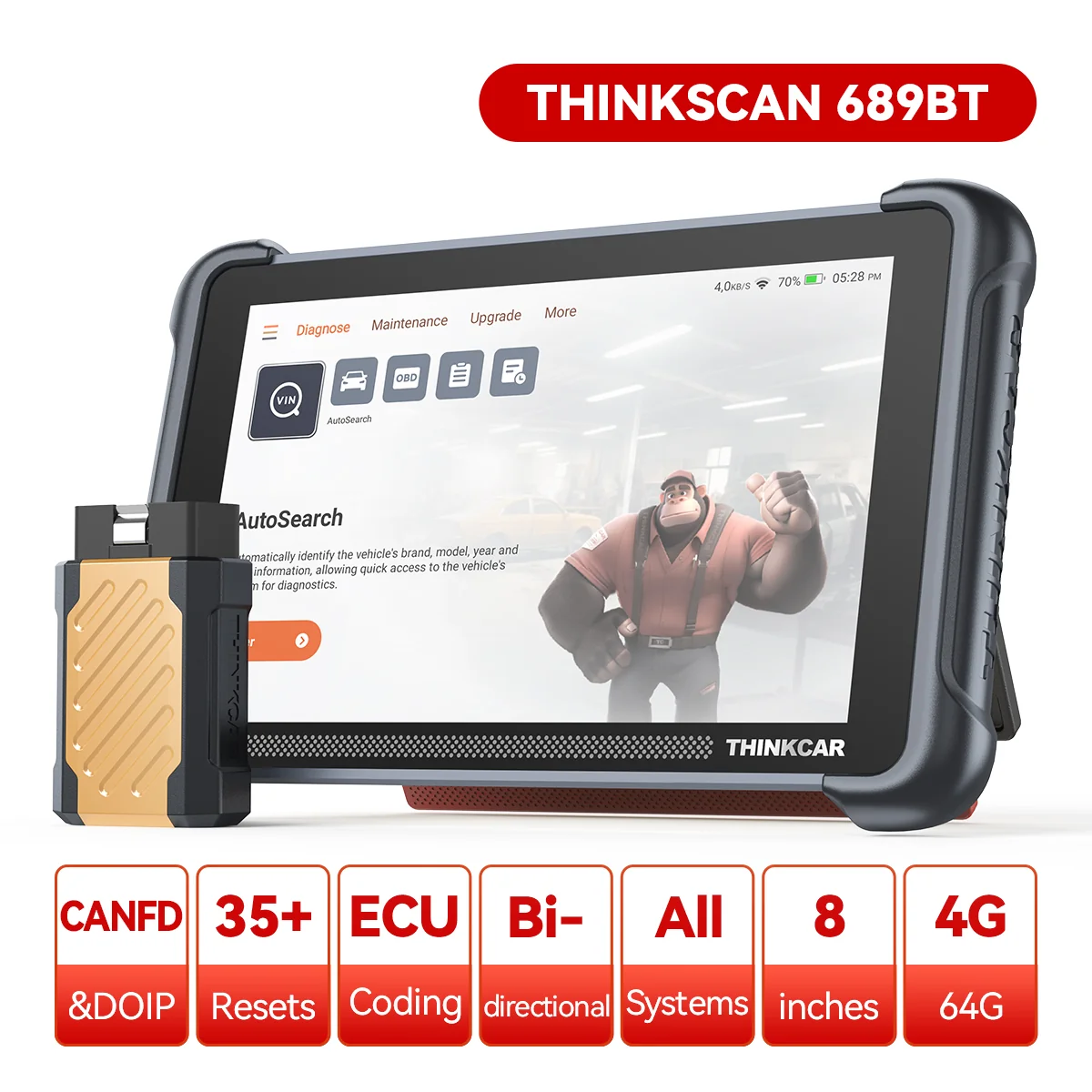
Recommendation: Looking for a professional bi-directional diagnostic tool with full system coverage? Use code DIAGNOZABAM for 10% off.
Transparency note: Affiliate link. Purchasing through it costs you nothing extra. View Thinkcar Deal →
