

Hybrid car engines are the perfect blend of conventional and electric technology. They use both a combustion engine and an electric motor to reduce fuel consumption and emissions while maintaining power and reliability.
How it works
The electronic control unit (ECU) constantly balances both power sources:
-
The combustion engine handles highway driving.
-
The electric motor assists during acceleration and city traffic.
When decelerating, the system recovers energy through regenerative braking.
Main hybrid types
-
Mild Hybrid (MHEV): supports the engine but can’t run alone.
-
Full Hybrid (HEV): electric motor can drive short distances.
-
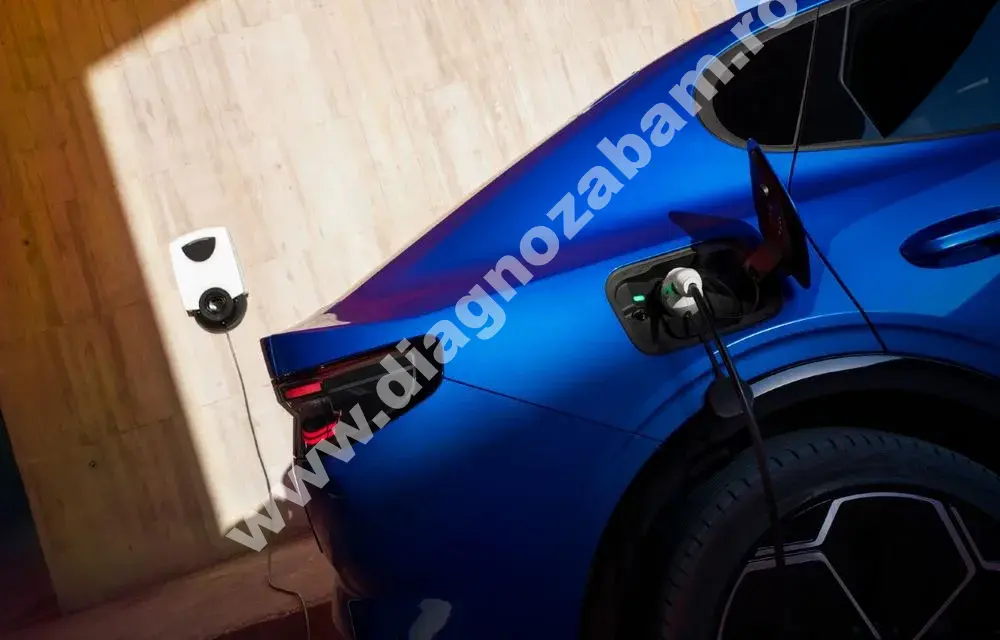
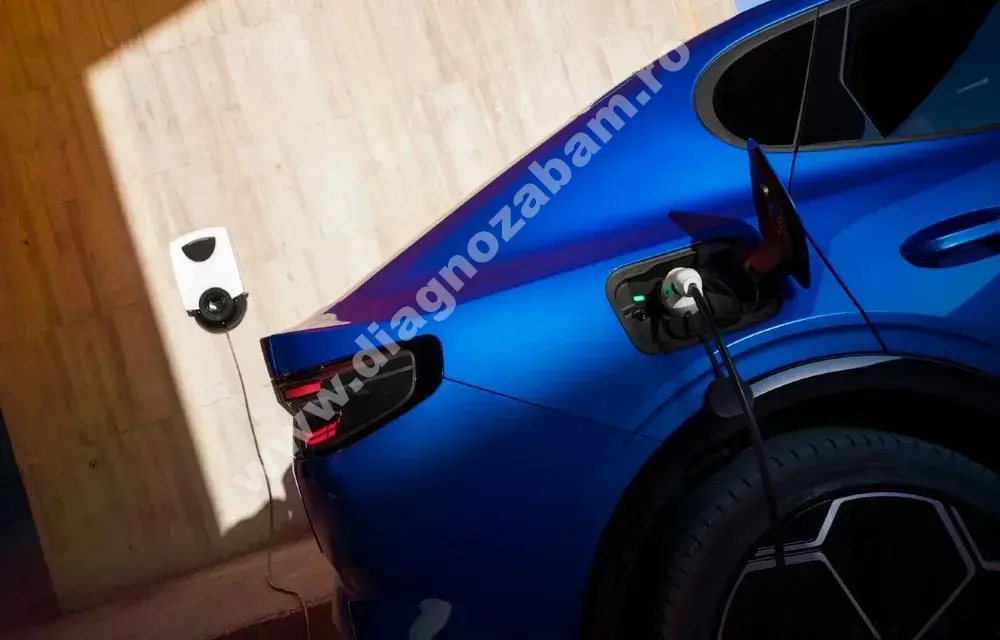
Plug-in Hybrid (PHEV): rechargeable and provides electric-only range up to 100 km.
Pros and cons
Pros: fuel efficiency, low CO₂, smooth acceleration, strong reliability.
Cons: higher purchase price, heavier build, more complex service.
The road ahead
Hybrid car engines will remain vital until electric infrastructure fully matures. They serve as a bridge between fossil fuels and clean mobility — a smart transition for modern driving.
📎 External source: Toyota Hybrid Tech
📎 Internal link: DiagnozaBAM – Useful auto tips
✍️ Author: Bejenaru Alexandru Ionut – [email protected]
✍️ Author: Bejenaru Alexandru Ionut – [email protected]
🔗 Internal link: https://diagnozabam.ro/sfaturi

