

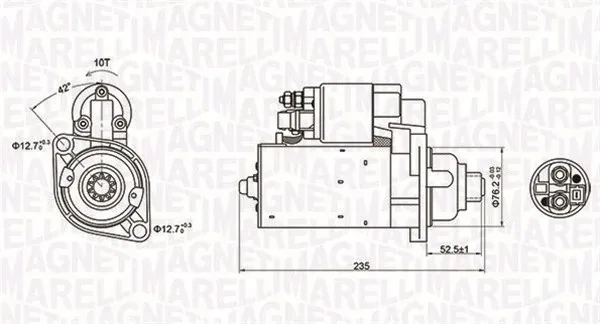
Car starter motor failure symptoms can be frustrating, especially when the battery is fine but the engine won’t crank. The starter motor converts electrical energy into mechanical power to start the engine. When it fails, the car may become undriveable.
How a Starter Motor Works
When you turn the ignition key or press the start button, current from the battery powers the starter motor. Its pinion gear engages the flywheel, rotating the engine to begin combustion.
Symptoms of a Faulty Starter Motor
-
No engine crank but battery is good
-
Only a clicking noise is heard.
-
-
Grinding noises
-
The pinion gear fails to mesh properly with the flywheel.
-
-
Slow or delayed cranking
-
The starter turns sluggishly despite a charged battery.
-
-
Burning smell or smoke
-
Indicates overheating or internal short circuits.
-
-
Intermittent starting
-
Works sometimes, fails other times → worn brushes or faulty solenoid.
-
Common Causes
-
Worn brushes.
-
Damaged solenoid.
-
Burnt windings.
-
Faulty bendix gear.
-
Worn flywheel teeth.
Solutions
-
Check battery and ground connections first.
-
Test the starter motor at a workshop.
-
Replace brushes or bendix if possible.
-
For severe damage, replace the starter motor entirely.
📌 Internal link: DiagnozaBAM
📖 External source: Bosch Automotive – Starter Motors
✍️ Author: Bejenaru Alexandru Ionut – [email protected]
✍️ Author: Bejenaru Alexandru Ionut – [email protected]
🔗 Internal link: https://diagnozabam.ro/sfaturi

