

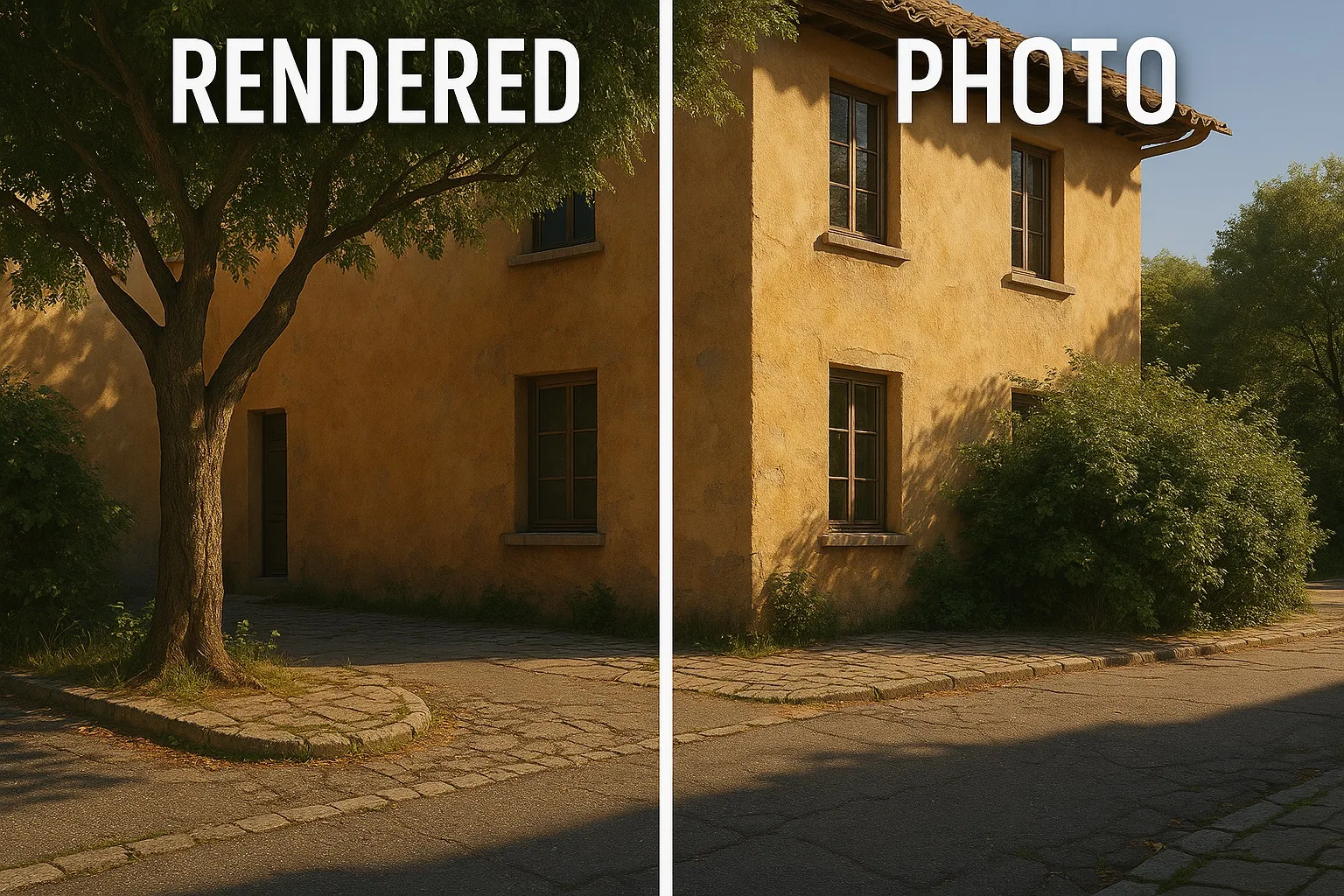
The term realistic graphics engine has become a buzzword in gaming, film, and digital simulations. But what does it really mean? At its core, a realistic graphics engine is an advanced rendering system that replicates real-world visuals so convincingly that they can be mistaken for real photos or videos.
How does a realistic graphics engine work?
A realistic graphics engine relies on several groundbreaking technologies:
-
Real-time ray tracing – mimics natural light and shadow behavior.
-
Physically Based Rendering (PBR) – ensures realistic reflections and refractions.
-
High-detail meshes and tessellation – create textures like rust, skin pores, or cracked pavement.
-
Dynamic particle simulations – fire, rain, and wind look and move like in nature.
-
AI-powered animations – characters act and react like humans.
Common applications
A realistic graphics engine is widely used in:
-
AAA video games (Unreal Engine 5, Unity HDRP)
-
Virtual and augmented reality
-
Architectural visualization
-
Automotive and industrial simulations
-
Film and CGI post-production
Why it matters
The impact of a realistic graphics engine goes beyond visuals:
-
Enhances immersion and believability
-
Bridges the gap between reality and virtual worlds
-
Raises ethical concerns in media authenticity
Conclusion (EN)
A realistic graphics engine doesn’t just create lifelike graphics—it tricks the human brain into believing the virtual world is real.
✍️ Author: Bejenaru Alexandru Ionut – [email protected]
✍️ Author: Bejenaru Alexandru Ionut – [email protected]
🔗 Internal link: https://diagnozabam.ro/sfaturi

