The premium compact segment is experiencing rapid stylistic shifts. Manufacturers are under immense pressure to unify internal combustion products with upcoming electric design paradigms. The current BMW 1er F70 remains highly fresh on the commercial market. However, independent designers are already exploring its future evolutionary steps.
A new independent virtual design study showcases a potential Life Cycle Impulse (LCI). The rendering targets the high-performance BMW M135 F70 LCI concept. The project explores a radical premise. It maps the minimalist, geometric design language of BMW’s upcoming Neue Klasse platform onto the traditional architecture of a front-wheel-drive-based hot hatch. The final result creates an intriguing structural bridge. It connects analog sports compact proportions with digital, forward-looking aesthetics.
1. Front Fascia Re-Engineering: The Neue Klasse Infiltration
The primary styling divergence of the virtual BMW M135 F70 LCI concept occurs at the front boundary. The current production F70 generation features highly swept-back headlight clusters. It also relies on a wide, interconnected kidney grille array. In contrast, this independent rendering executes a complete front end overhaul. It strips away traditional internal combustion cooling geometry.
                  ┌──────────────────────────────┐
                  │   Current F70 Production    │
                  │ Wide Grille / Swept Lights   │
                  └──────────────┬───────────────┘
                                 │
                                 ▼ [Stylistic Paradigm Shift]
                                 │
                  ┌──────────────────────────────┐
                  │    Virtual Neue Klasse LCI   │
                  │ Vertical Grille / Flat LEDs  │
                  └──────────────────────────────┘
The rendering integrates highly narrowed, vertically oriented kidney grilles. This layout mimics the front profile of recent concept cars. The headlights discard the complex internal projectors of the current series vehicle. Instead, they feature ultra-flat, horizontal LED elements. These units contain highly crisp, minimalist light graphics.
The bumper apron undergoes an extensive computational cleanup. Designers removed large, multi-layered plastic intakes. They replaced them with a single, highly integrated lower air dam. This design choice provides a far more premium aesthetic. Crucially, it retains the necessary core cooling capacity for the turbocharged engine underneath.
Foxwell NT1009: Diagnoză și Codare ECU de Nivel OE
2. Side Profile Optimization: Aerodynamics Meet Practicality
The core sheet metal proportions of the five-door hatchback body remain intentionally stable in this design study. The greenhouse, beltline angle, and overall roof curvature ensure the vehicle stays instantly recognizable as a modern 1er platform. The visual modernization is instead achieved through highly strategic component detailing.
               [Virtual F70 LCI Side Profile Architecture]
                                   │
         ┌─────────────────────────┴─────────────────────────┐
         ▼                                                   ▼
[Aerodynamic Components]                            [Aesthetic Accents]
 - Flush-Mount Door Actuators                        - High-Gloss Shadowline Mirrors
 - Drag-Reducing Underbody Aero                      - Sculpted Lower Side Skirts
 - Low-Turbulence Wheel Arch Integration             - Oversized Lightweight Alloy Wheels
The Shift to Flush Geometry
The most significant modification to the lateral surfaces is the introduction of flush door handles. The current production BMW F70 uses traditional pull-style grab handles. These units create localized aerodynamic turbulence. The virtual LCI transitions to electronic flush-mount handles. These components sit completely level with the door skin panels.
This change achieves two distinct engineering goals:
-
Aerodynamic Drag Reduction: Eliminating protruding handle pockets clean up the laminar airflow along the vehicle flanks.
-
Minimalist Design Continuity: The flat surfaces mirror the clean, unornamented panels that define upcoming electric platforms.
The sleek look is further augmented by deep, high-gloss black mirror caps. Sporty, extended side skirts drop the visual center of gravity. Oversized lightweight alloy wheels fill the arches completely, maintaining the aggressive stance required of an M-badge product.
3. Rear Elevation Architecture: Visual Width and Mechanical Clues
The design overhaul continues systematically across the rear fascia of the compact vehicle. The stock F70 generation features large, multi-dimensional tail lamp clusters. The independent rendering replaces these with ultra-slim, linear LED light bars.
| Design Element | Current Production BMW F70 M135 | Virtual Neue Klasse LCI Concept |
| Grille Layout | Wide, horizontally stretched kidneys | Narrow, highly vertical Neue Klasse style |
| Door Knobs | Traditional pull-style grab handles | Flush-mount aerodynamic actuators |
| Lighting Style | Angular, large multi-projector clusters | Flat, ultra-slim horizontal LED matrices |
| Exhaust Setup | Quad circular outlets (90 mm) | Quad circular outlets integrated into diffuser |
ℹ️ Technical Note: The narrow tail lamp graphics alter the human eye’s perception of the car’s physical dimensions. By stretching the horizontal light signature across the rear hatch skin, the vehicle gains immense visual width. This design choice makes the hot hatch look significantly lower and more planted without changing the hard points of the rear axle track or suspension geometry.
Foxwell NT650 Pro: Tester Profesional pentru Funcții de Service
[Slim Linear LED Light Bars] ──► Maximizes Horizontal Visual Width
        │
        ▼
[Integrated Lower Diffuser Element]
        │
        ▼
[Quad Circular Exhaust Outlets] ──► Preserves Combustion Engine Identity
Importantly, the lower bumper section balances this new digital aesthetic with highly traditional mechanical elements. The virtual LCI retains the quad circular exhaust tips. These outlets are a defining signature of the modern M135 variant. The pipes emerge cleanly from a highly sculpted, dark contrast rear diffuser. This design choice confirms that despite the clean look, the hot hatch retains its internal combustion performance mission.
4. The Conceptual Reality of the LCI Study
This digital rendering does not represent a factory-backed preview of an upcoming production model. Instead, it functions as an independent automotive design exercise. It tests the aesthetic elasticity of current architectures when forced to adopt next-generation styling cues.
The transition toward electric design language often results in sterile vehicle shapes. However, this study demonstrates that crisp Neue Klasse lines can combine successfully with the muscular proportions of a traditional hot hatch. It offers a highly compelling blueprint for how BMW could refresh its entry-level platform. The concept injects high-end digital identity into the car while firmly preserving its hot hatch personality.
Source: 2027 BMW 1er F70 LCI: So cool könnte der Kompakte aussehen!





✍️ Author: Bejenaru Alexandru Ionut – [email protected]
🔗 Internal link: https://diagnozabam.ro/sfaturi
For professional diagnostic tablet experience with a responsive touchscreen, smooth WiFi updates, and full control:
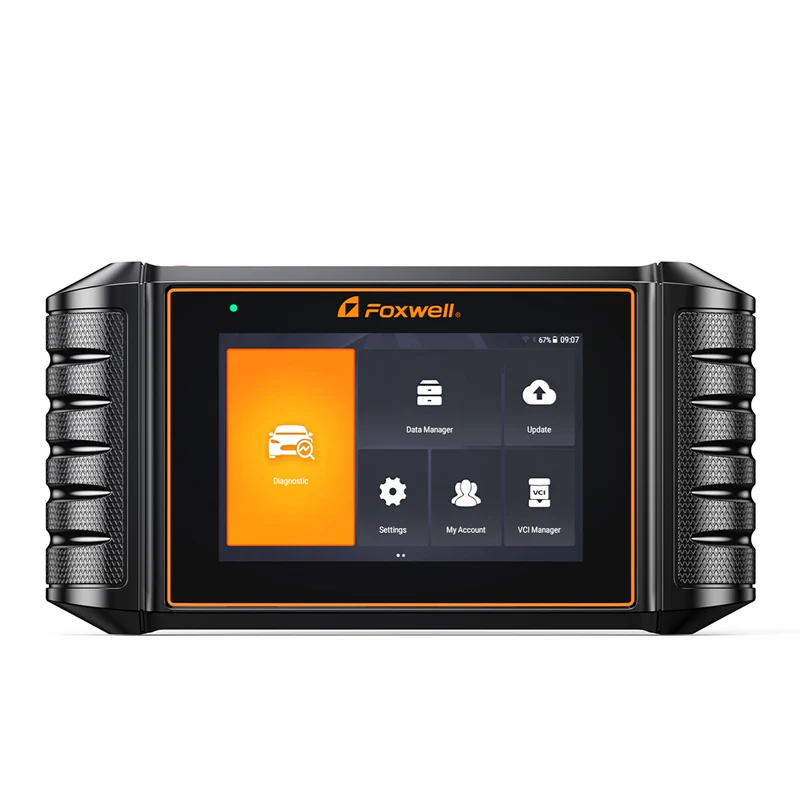
🔗 Affiliate link — we may earn a commission, at no extra cost to you.
Facing specific ABS or Airbag issues? We recommend a specialist tool for code reading and active component testing: