
GWM Haval Big Dog PLUS HEV: A Boxy SUV With a Full Hybrid Drive for 2027
Boxy SUVs are back in fashion. Straight lines, round headlights and a tall body give a car a strong character. The GWM Haval Big Dog PLUS HEV follows this trend. It adds a modern twist for the 2027 model year: a full hybrid drive that needs no charging cable.
This article explains what we know so far. It covers the powertrain, the design, the size and the open questions.
A Hybrid That Charges Itself
The Big Dog PLUS HEV uses a classic full hybrid system. This is different from a plug-in hybrid. A plug-in hybrid needs a wall socket or a public charger to fill its large battery.
The full hybrid has no such need. It needs no socket and no public charging point. The system manages the battery by itself while you drive.
That brings a clear benefit. Drivers do not have to change their habits. You fill the tank at a normal fuel station, as you always did. You simply use less fuel.
The target group is easy to describe. These are drivers who want to cut fuel use but do not have a home charger. They may live in an apartment. They may drive long distances. For them, a self-charging hybrid is a simple path.
ℹ️ Technical Note: A full hybrid can drive on electric power for short periods, depending on the system. It cannot be charged from the grid. All of its electric energy comes from braking and from the engine itself.
Launch Date and Market
The official market launch is planned for 27 November 2026. It will take place at the Guangzhou Auto Show in China.
The car is the hybrid version of the Big Dog PLUS. It belongs to the 2027 model year. For now, China is the focus.
Plans for Europe are not known. The maker has not confirmed a European launch. Prices are also still open. Anyone planning to buy should wait for official information.
The Engine: A 1.5-Liter Turbo Petrol
Under the hood sits a 1.5-liter turbocharged petrol engine. It was developed specifically for hybrid use. That detail matters.
Hybrid-specific engines are tuned differently from normal engines. They often run in the most efficient part of their range. The electric system covers the weaker moments, such as pulling away from a stop.
According to the information available so far, the engine makes 115 kW. That equals 156 PS, or about 154 hp. The electric drive technology adds to this. It supports the petrol engine, especially at low speeds and under changing load.
The maker has not given a full system output in the source information. So we cannot state a total power figure. We should wait for official data.
How the Hybrid System Works
An electronic control unit manages all the parts. It decides in every moment how to use the available energy. The decision depends on the driving situation.
A simplified picture looks like this:
- Pulling away: the electric motor helps, so the engine works less.
- Steady cruising: the petrol engine runs in an efficient range.
- Braking: the system recovers energy and stores it in the battery.
- Accelerating again: the stored energy supports the drive.
Energy recovery is the key idea. When you brake, the car has a lot of motion energy. A normal car turns it into heat in the brake discs. A hybrid turns part of it into electricity.
This works best in city traffic. Frequent starts and stops give the system many chances to recover energy. That is why hybrids often show their best fuel economy in town.
Drive Variants and Fuel Consumption
Chinese pre-launch information points to different drive configurations:
- A front-wheel-drive version.
- A version with electric all-wheel drive.
Electric all-wheel drive usually means a motor on the rear axle. There is no mechanical shaft between the front and rear. This is a common design in modern hybrids.
First registration data lists fuel consumption of 5.35 and 5.80 liters per 100 km. That equals about 44 and 41 mpg in US units. The lower figure probably belongs to the front-wheel-drive version, and the higher to the all-wheel-drive one. The source does not say this, so treat it as an assumption.
⚠️ WARNING: Registration figures come from laboratory test cycles. Real-life fuel use is often higher. Independent road tests must show how efficient the Big Dog PLUS HEV truly is.
The Design: Square, Upright and Rugged
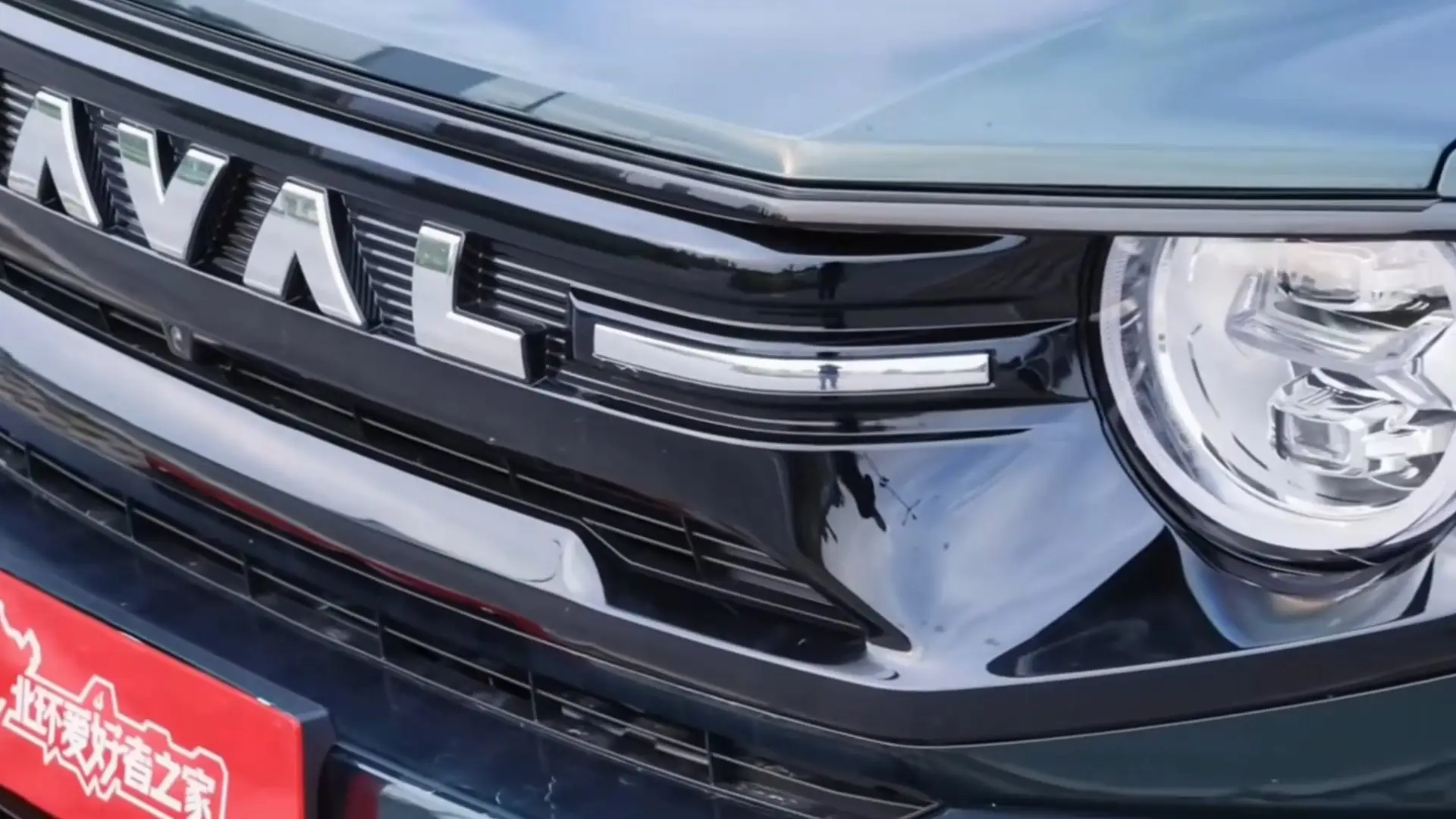
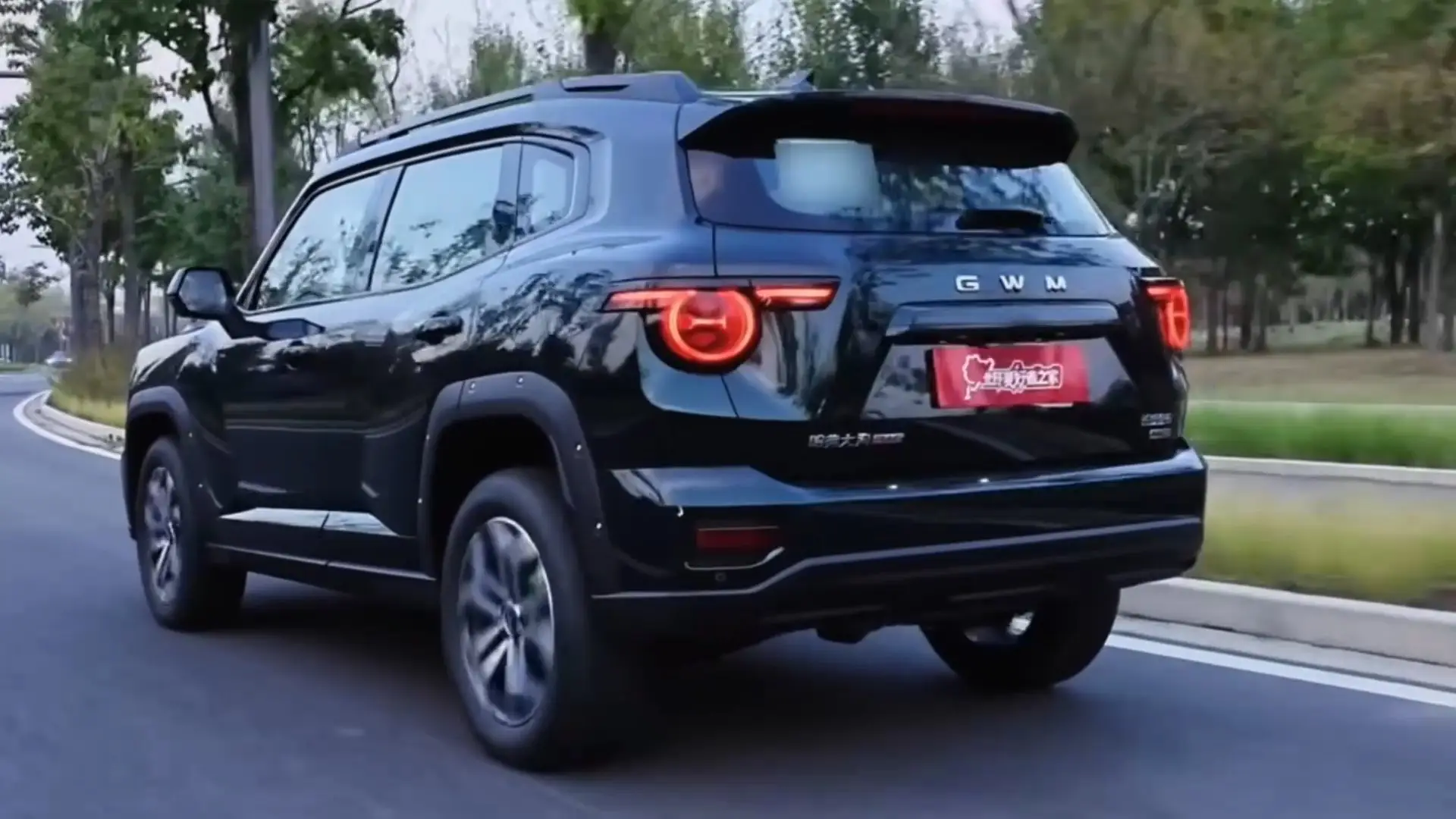
The look stays true to the Haval design language. It is strong and simple. Several details define it.
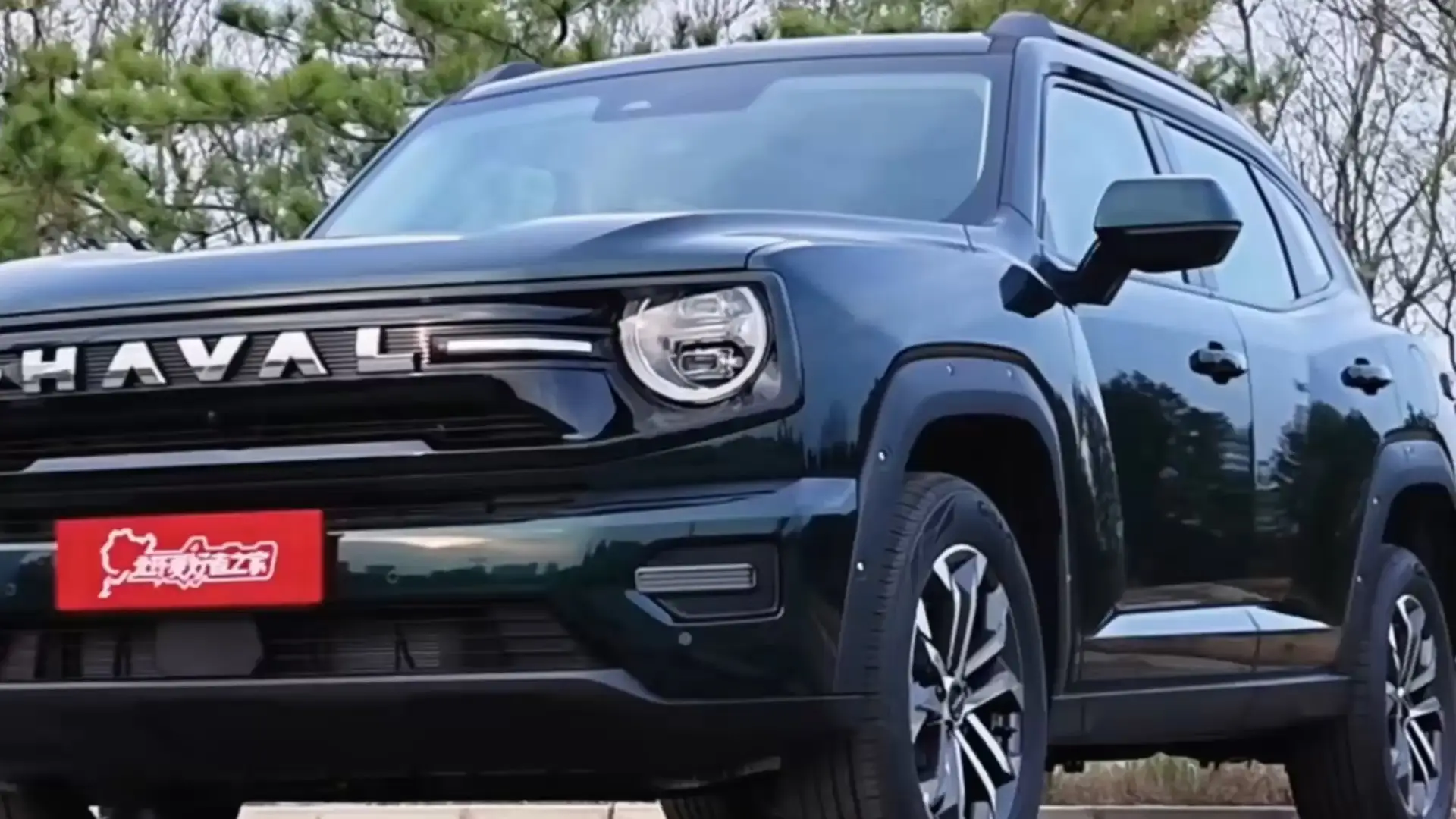
- An upright front end with round headlights.
- A bold grille with a large HAVAL lettering.
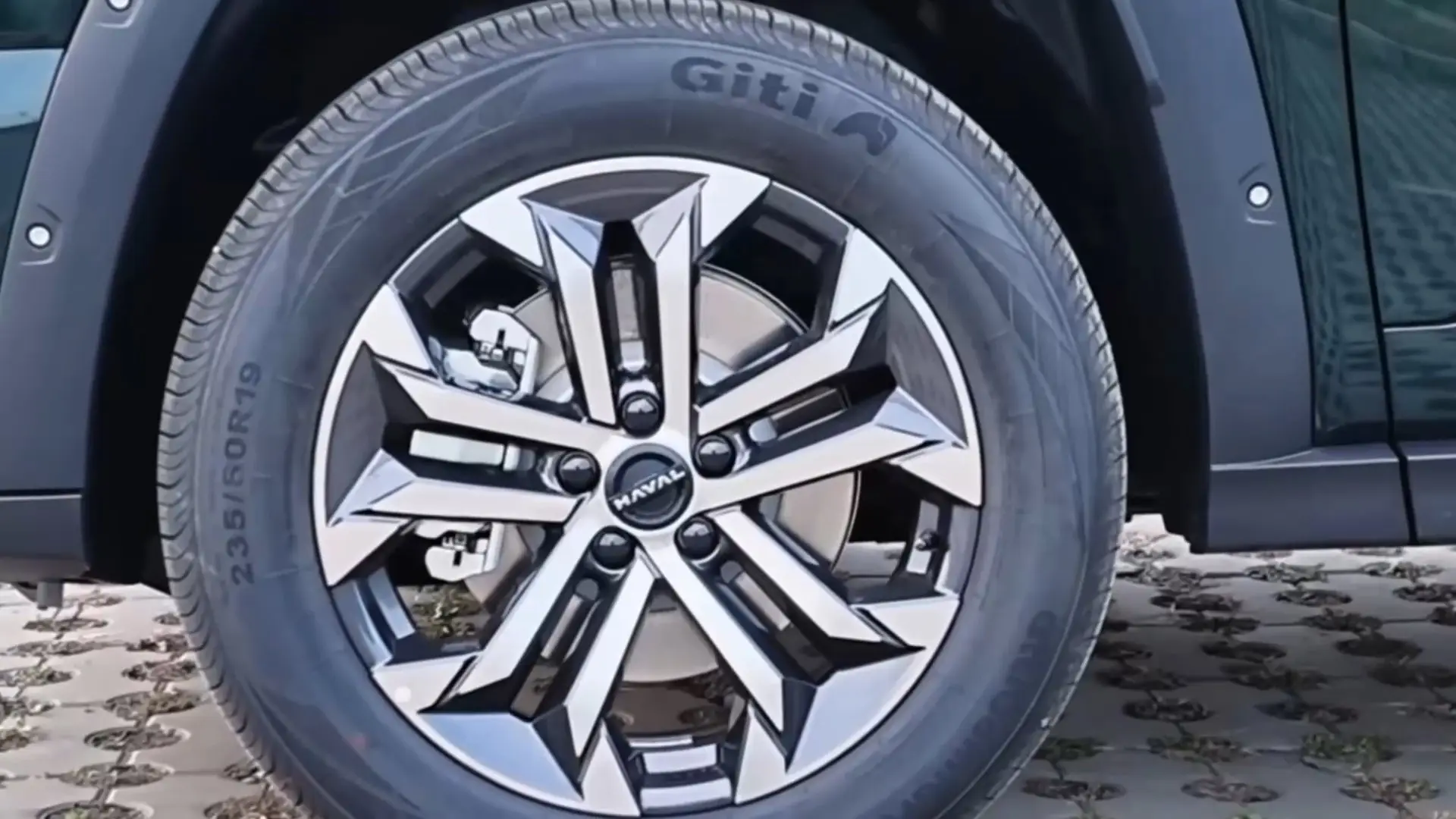
- Strongly shaped wheel arches.
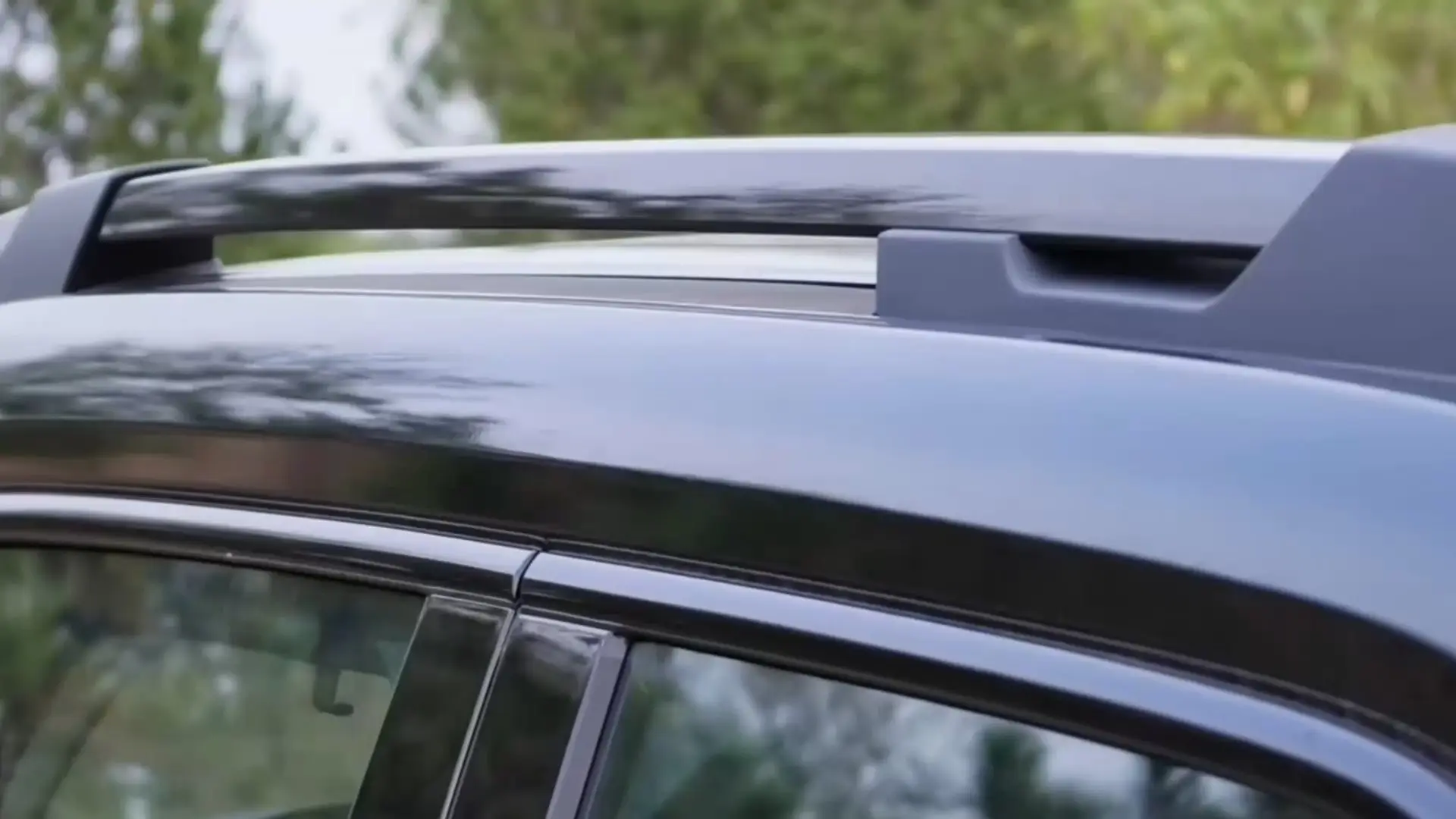
- A tall body with mostly straight side surfaces.
Together, these features create a robust, off-road style. Straight lines are popular today. Many buyers want a car that looks tough, even if it spends most of its life on tarmac.
The design also has a practical side. A tall, upright body usually gives good visibility. It also gives a roomy interior.
Size and Space
The source gives no final dimensions for the hybrid. But the existing Big Dog PLUS serves as a guide. It measures:
| Dimension | Metric | Imperial |
|---|---|---|
| Length | 4.71 m | about 15.5 ft |
| Width | 1.91 m | about 75 in |
| Height | 1.78 m | about 70 in |
| Wheelbase | 2.81 m | about 111 in |
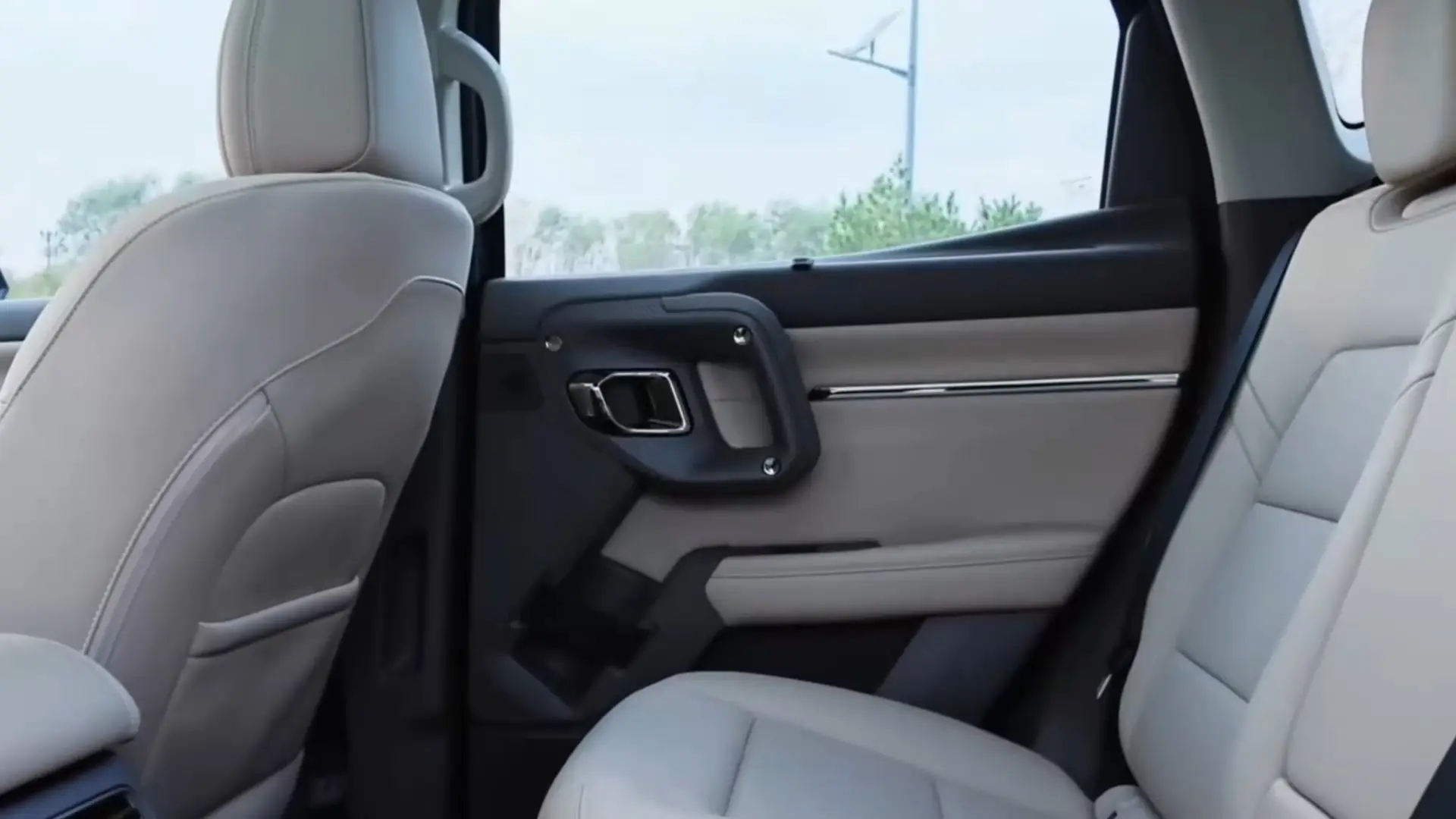
These are solid numbers for a midsize SUV. The long wheelbase is the key one. It usually gives more room for the rear passengers.
The car offers five seats. There should be enough freedom of movement on longer trips. The final hybrid dimensions may differ slightly. Batteries and drive parts can change packaging.
Interior and Equipment
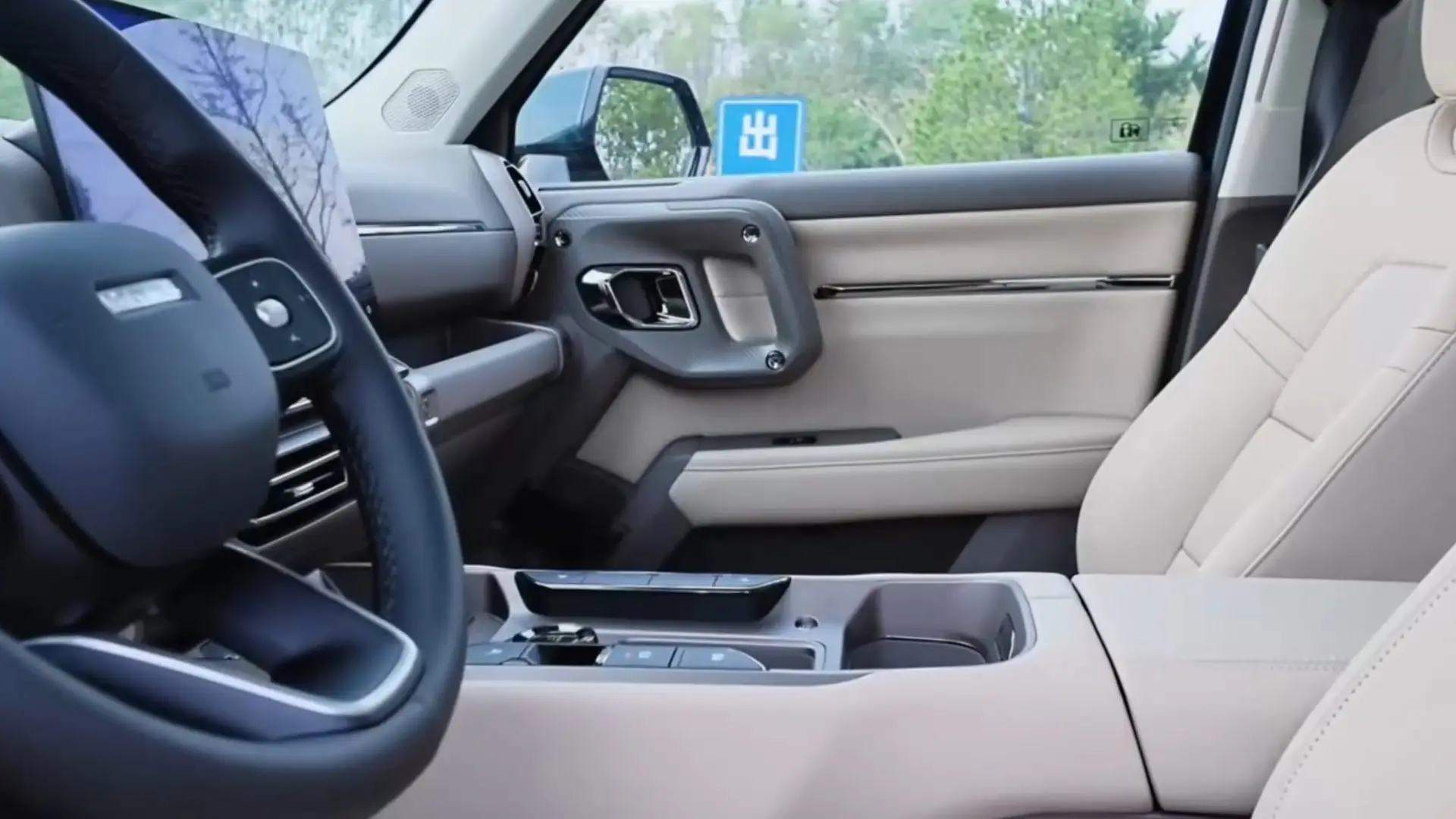
The new hybrid follows the existing model line in equipment. The current Big Dog PLUS has these items:
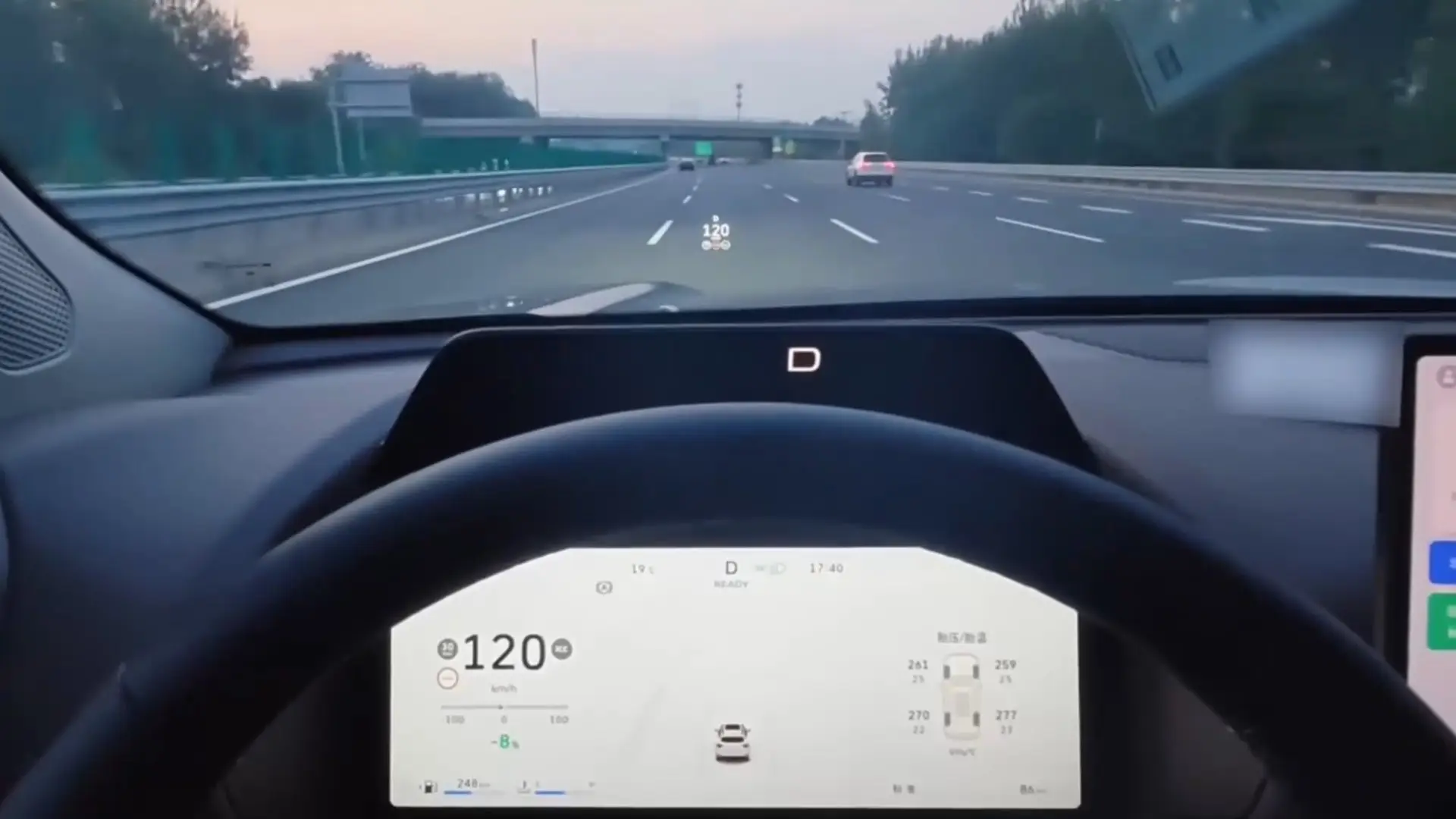
- A 12.3-inch digital instrument cluster.
- A 14.6-inch central touchscreen.
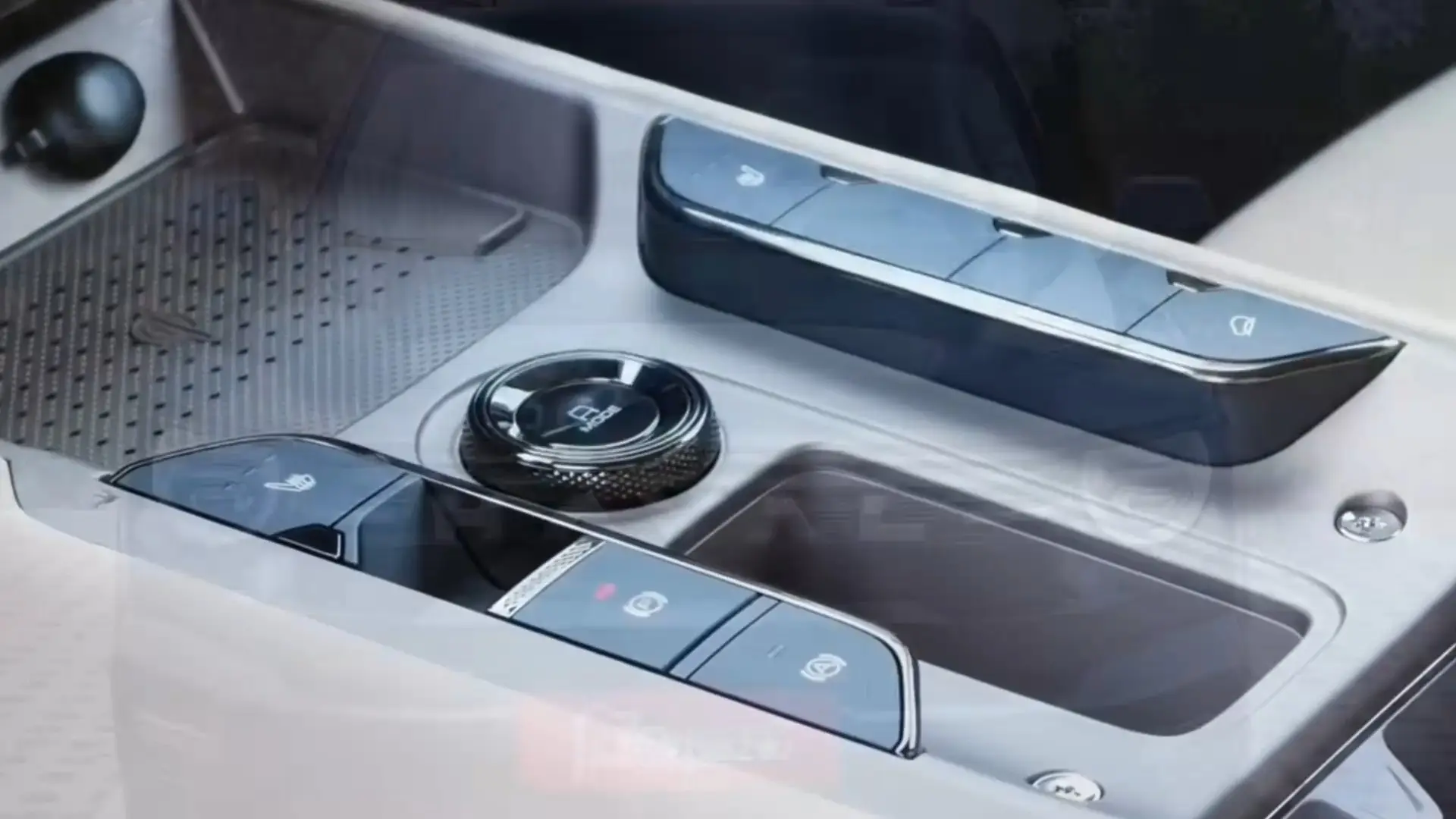
- Physical controls for key functions.
The last point is important. Many modern cars hide everything in a touchscreen. This one keeps classic buttons and a rotary control. Drivers can change key settings without searching through menus.
It is not yet clear which equipment details the HEV version will take over. That remains to be seen. Trim levels and options may differ.
Everyday Use Comes First
Despite the rugged look, the main focus is daily use. The maker wants a car for the family trip, the commute and the long holiday drive.
The idea is simple. Combine the space of a big SUV with a straightforward drive. No charging stress. No range anxiety. Just a car that works.
Off-road ability is a separate question. It depends on several things:
- The drive version (front-wheel or electric all-wheel drive).
- The ground clearance.
- The suspension tuning.
A rugged look does not guarantee off-road skill. Buyers who plan to leave the road should check the real data. Tests will show how well the car handles rough ground.
What Is Still Unknown
Many details are open. A short list shows the gaps:
- Price is not known.
- European launch plans are not confirmed.
- Total system power is not stated.
- Final equipment of the HEV version is unclear.
- Real fuel economy needs independent tests.
This is normal before a launch. More details should come at the Guangzhou show. We will learn more when the maker presents the car in public.
Range Rover GT: Electric Gran Turismo Crossover Architecture
Hybrid Cars Still Need Good Diagnostics
Full hybrids add complexity. They combine an engine, an electric motor, a battery and a control unit. Faults can appear in any of these parts. A warning light may point to the hybrid system, the 12-volt battery or a sensor.
A bidirectional scan tool helps owners and workshops find the cause faster. A tool like the THINKCAR THINKSCAN 689BT reads fault codes and live data on supported vehicles. Coverage depends on the model, so check compatibility first. As hybrids spread, good diagnostics will matter more and more.
Final Thoughts
The GWM Haval Big Dog PLUS HEV mixes a tough look with a practical drive. It has a 1.5-liter turbo petrol engine with 115 kW (156 PS). It adds electric support and energy recovery. It needs no charging cable.
Early figures of 5.35 and 5.80 liters per 100 km look promising. But they need real-world proof. Price and European plans are still unknown.
For now, the car is a strong sign of where the market is going. Boxy design and self-charging hybrids are a popular mix. The launch on 27 November will show if the Big Dog PLUS HEV lives up to the promise.
Frequently Asked Questions
Does the Haval Big Dog PLUS HEV need a charging cable?
No. It is a full hybrid. It needs no socket and no public charger. The system manages the battery by itself.
What engine does it use?
It uses a 1.5-liter turbocharged petrol engine made for hybrid use. It makes 115 kW, or 156 PS, according to current information.
What is the fuel consumption?
First registration data lists 5.35 and 5.80 liters per 100 km. Real-world results still need independent tests.
Which drive versions are planned?
Chinese pre-launch information mentions a front-wheel-drive version and a version with electric all-wheel drive.
When does it launch?
The official market launch in China is planned for 27 November 2026 at the Guangzhou Auto Show.
How big is the car?
The existing Big Dog PLUS measures 4.71 m long, 1.91 m wide and 1.78 m high. The wheelbase is 2.81 m. The hybrid may differ slightly.
Will it come to Europe?
That is not confirmed. Prices and European plans are still open.
Source: https://www.tuningblog.eu/dies-u-das/gwm-haval-big-dog-plus-hev-849593/



✍️ Author: Bejenaru Alexandru Ionut – [email protected]

Recommendation: Looking for a professional bi-directional diagnostic tool with full system coverage? Use code DIAGNOZABAM for 10% off.
Transparency note: Affiliate link. Purchasing through it costs you nothing extra. View Thinkcar Deal →