
Angelelli Automobili Project 754: 800 HP Coachbuilt Supercar Reimagines the Porsche 911 Formula
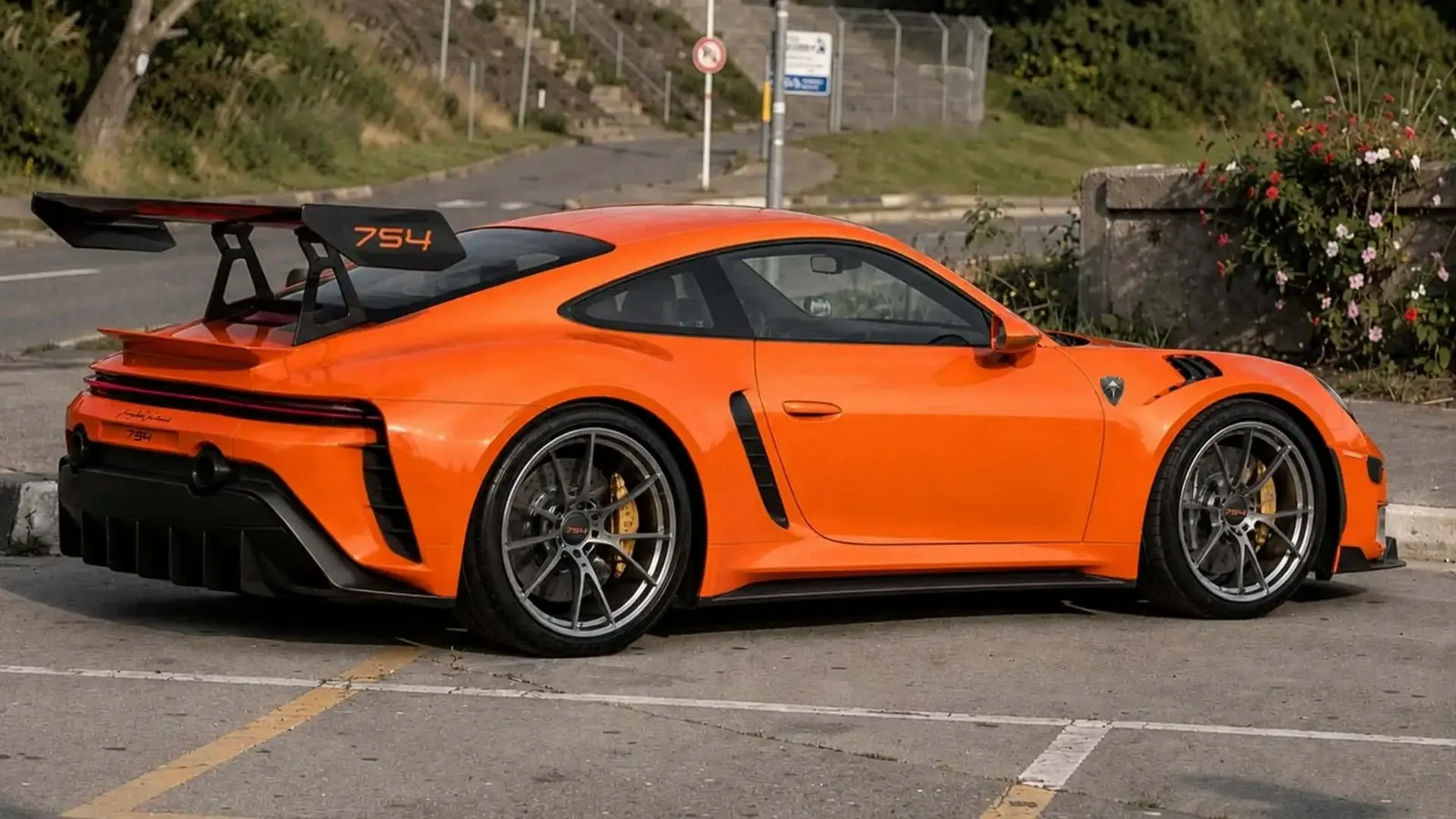
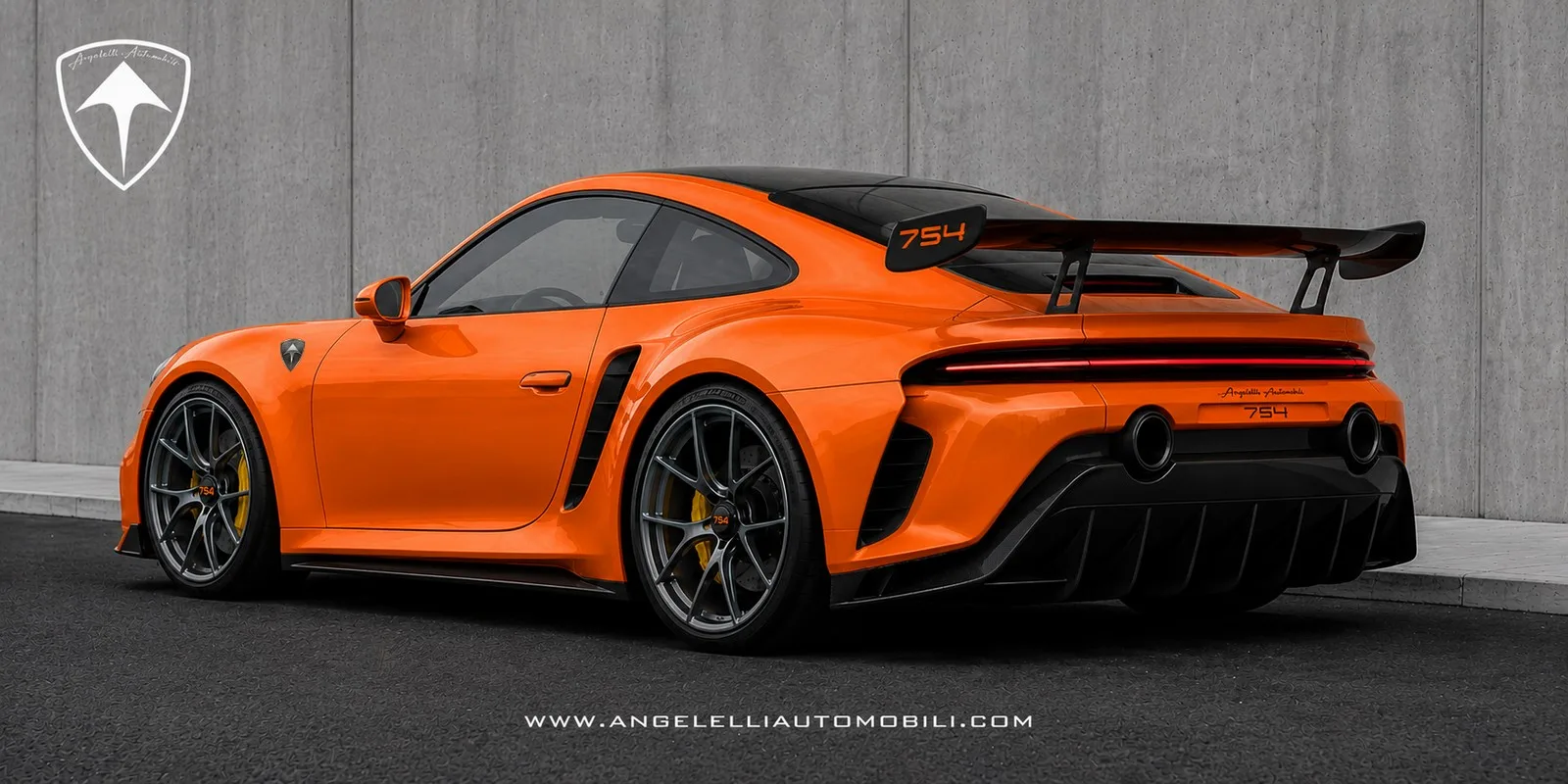
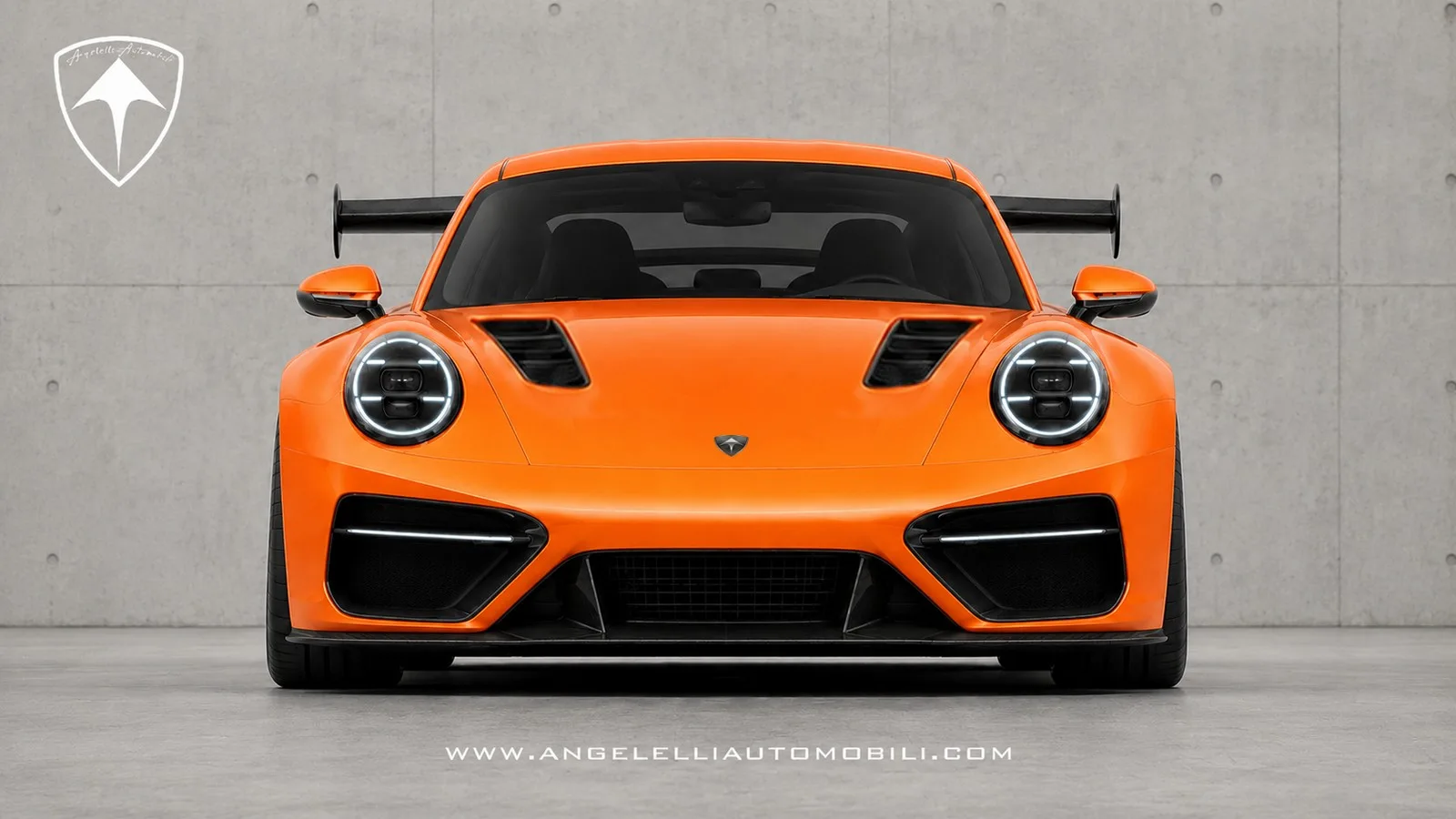
Italian coachbuilder Angelelli Automobili has unveiled Project 754, a radical reimagining of the Porsche 911 architecture (spanning the 991 and 992 generations). Rather than delivering a conventional aftermarket bodykit or engine tune, the Rome-based atelier completely dismantles the donor platform to construct a bespoke, handcrafted supercar. Limited strictly to 50 individual units worldwide, Project 754 introduces a choice between two distinct mechanical architectures: the classic rear-engine 754 R and a mid-engine 754 M conversion.
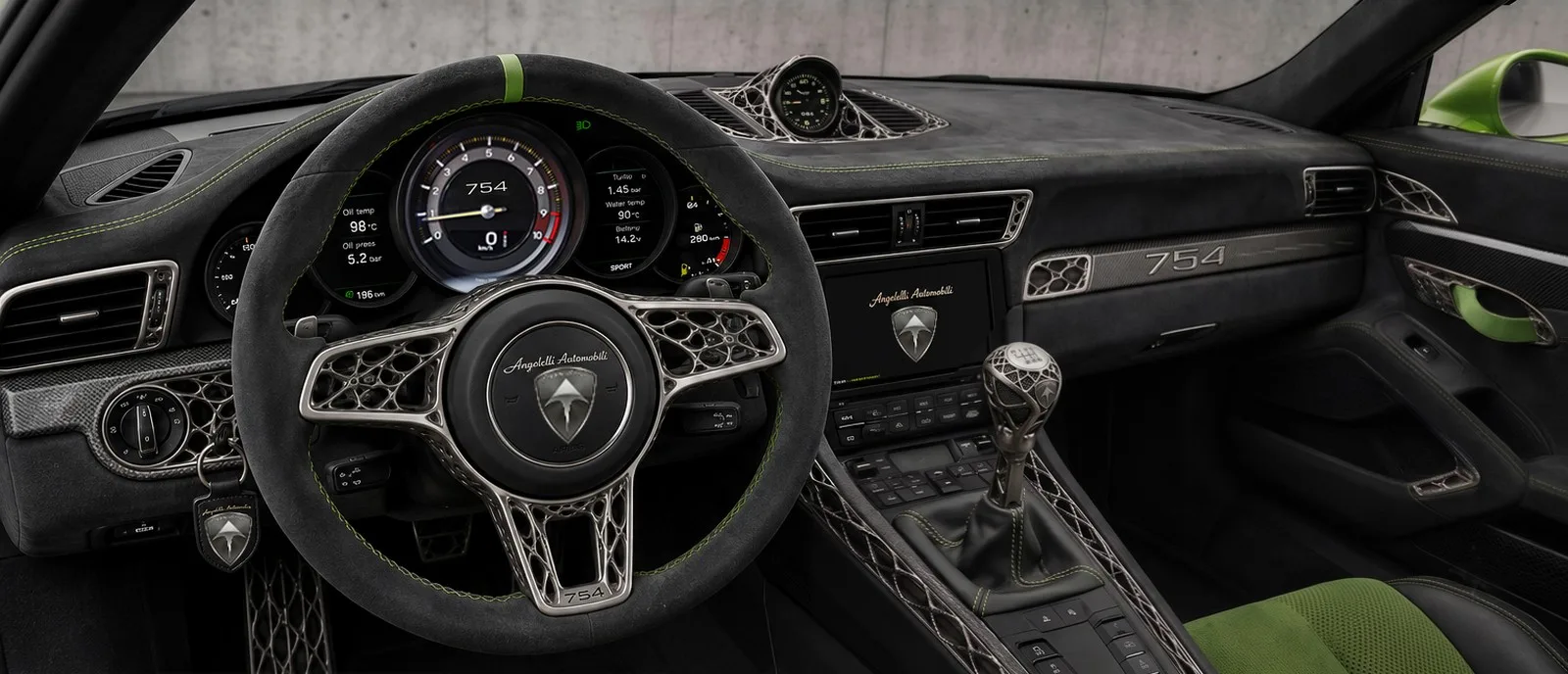
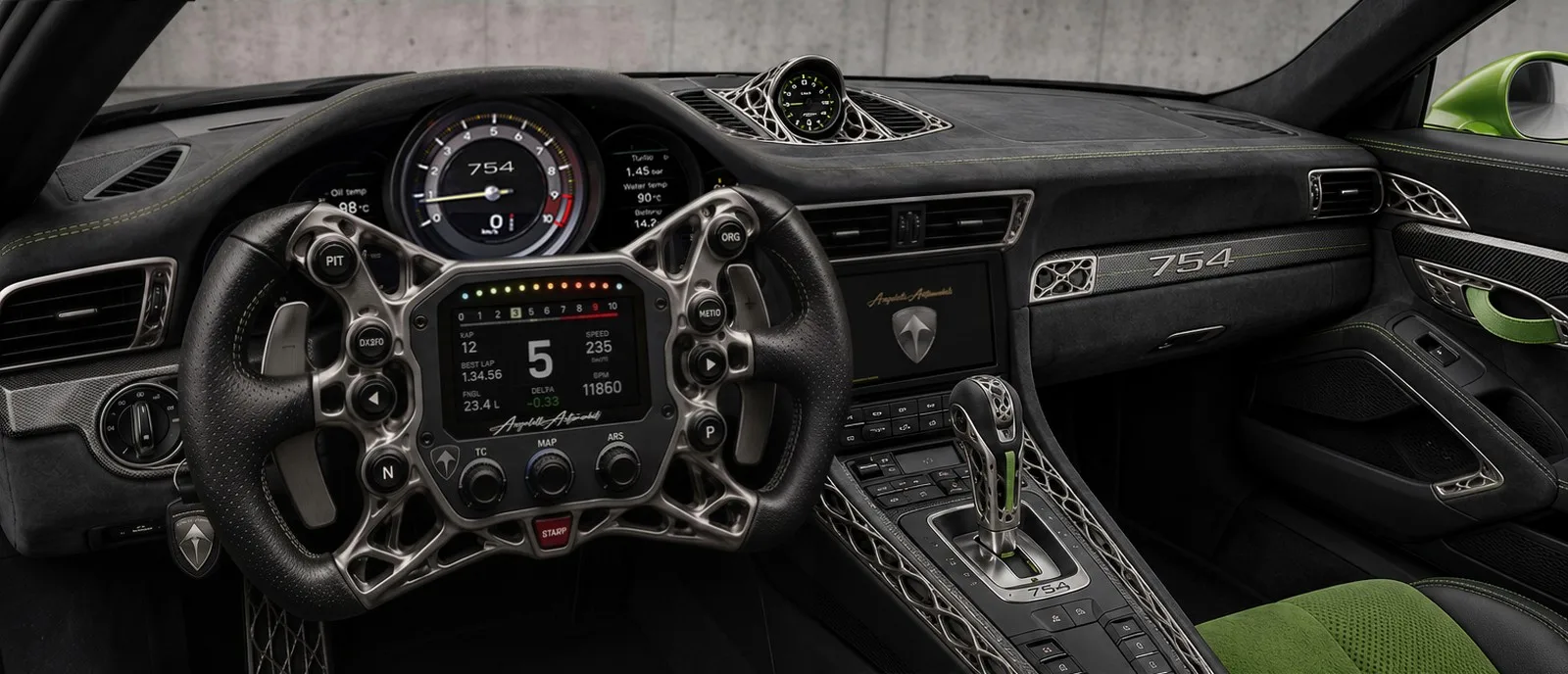
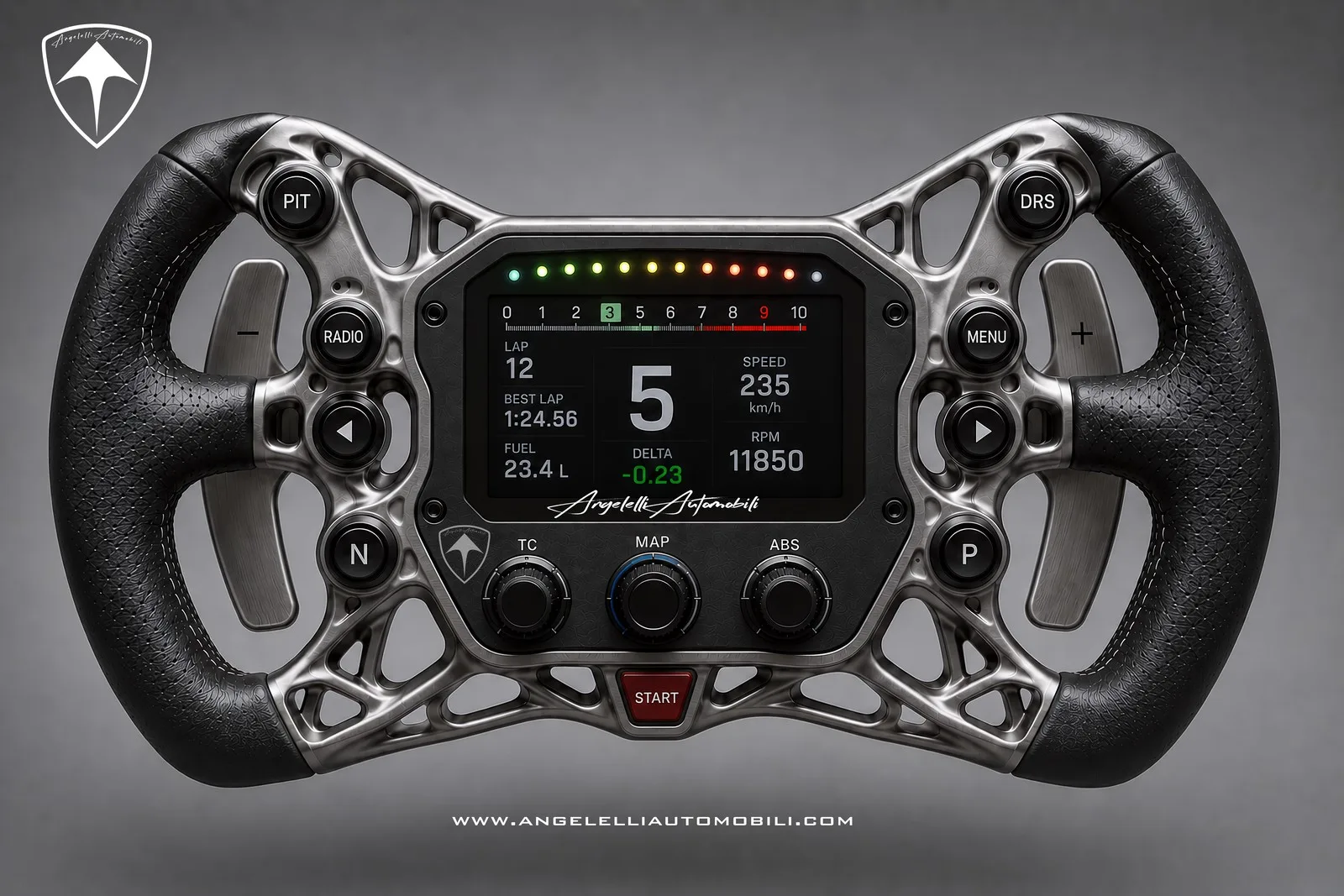
Combining carbon-fiber bodywork, 3D-printed titanium/aluminum structural nodes, and generative design topology, Project 754 pairs aerospace manufacturing techniques with output figures reaching 800 to 850 PS.
+---------------------------------------------------------------------------------+
|                       ANGELELLI PROJECT 754 ARCHITECTURES                       |
+---------------------------------------------------------------------------------+
|                                                                                 |
|  [ 754 R Variant - Rear Engine ]          [ 754 M Variant - Mid Engine ]        |
|  - Classic 911 Rear Axle Weight Bias      - Repositioned Cockpit & Engine       |
|  - Maximum Traction & Acceleration        - Balanced Weight Distribution        |
|  - Tailored to Traditional Purists        - High-Speed Apex Cornering Precision |
|                                                                                 |
+---------------------------------------------------------------------------------+
Architectural Duality: Rear-Engine (754 R) vs. Mid-Engine (754 M)
The defining technical breakthrough of Project 754 is Angelelli Automobili’s willingness to alter the structural layout of the 911 platform. Customers select between two radically different engine placement philosophies:
-
754 R (Rear Layout): Retains the iconic rear-engine configuration behind the rear axle. This layout prioritizes maximum rear tire loading under power, explosive acceleration out of slow corners, and traditional 911 driving dynamics refined through updated suspension geometry.
-
754 M (Mid Layout): Relocates the flat-six engine forward into a mid-ship position ahead of the rear axle. Moving the powerplant requires shifting the cockpit forward and widening the rear track. This rebalances the vehicle’s moment of inertia, drastically decreasing yaw resistance during high-speed direction changes.
+---------------------------------------------------------------------------------+
|                     ENGINE PLACEMENT & WEIGHT DISTRIBUTION                      |
+---------------------------------------------------------------------------------+
|                                                                                 |
|  [ 754 R Layout ]  ===>  [ Driver Cockpit ]  --->  [ Flat-Six Engine ]  | Rear  |
|                                                                                 |
|  [ 754 M Layout ]  ===>  [ Driver Cockpit ]  --->  [ Flat-Six Engine ]  | Axle  |
|                                                                                 |
+---------------------------------------------------------------------------------+
Technical Specifications & Engineering Overview
Project 754 pairs high-revving twin-turbocharged flat-six powertrains with lightweight structural components to achieve a target dry weight as low as 1,100 kg in its most extreme configuration.
| Feature / Parameter | Project 754 R (Rear Engine) | Project 754 M (Mid Engine) |
| Donor Architecture | Porsche 911 (991 / 992 Series) | Porsche 911 (991 / 992 Series) |
| Engine Configuration | 4.0-Litre Twin-Turbo Flat-Six | 4.0-Litre Twin-Turbo Flat-Six |
| Peak Power Output | 700 to 850 PS (800 HP class) | 700 to 850 PS (800 HP class) |
| Transmission Options | 8-Speed PDK or 6-Speed Manual | 8-Speed PDK or 6-Speed Manual |
| 0–96 km/h (0-60 mph) | 2.3 seconds | 2.3 seconds |
| Top Speed | 338 km/h (210 mph) | 338 km/h (210 mph) |
| Brake Package (Front) | 420 mm Carbon-Ceramic / 10-Piston | 420 mm Carbon-Ceramic / 10-Piston |
| Brake Package (Rear) | 390 mm Carbon-Ceramic / 4-Piston | 390 mm Carbon-Ceramic / 4-Piston |
| Wheel Setup | 20″ Front / 21″ Rear Centerlock | 20″ Front / 21″ Rear Centerlock |
| Production Cap | 25 Units | 25 Units |
ℹ️ Technical Note: Power transmission is managed via an optimized 8-speed dual-clutch PDK gearbox or an optional 6-speed mechanical manual gearbox for purists demanding full tactile gear selection.
Generative Design and 3D-Printed Titanium Structural Nodes
Angelelli Automobili relies heavily on generative software algorithms and biomimetic design principles to re-engineer structural joinery. Rather than using traditional stamped aluminum or cast steel brackets, critical load-bearing nodes are 3D-printed using high-strength titanium-aluminum alloys.
+---------------------------------------------------------------------------------+
|                       GENERATIVE TOPOLOGY OPTIMIZATION                          |
+---------------------------------------------------------------------------------+
|                                                                                 |
|  [ Structural Load Analysis ] ---> [ Algorithm Material Removal ]               |
|                                               |                                 |
|  [ Biomimetic Organic Nodes ] <--- [ 3D Titanium Additive Printing ]            |
|                                                                                 |
+---------------------------------------------------------------------------------+
Key Metallurgy & Body Innovations:
-
Topology Optimization: Algorithms analyze stress vectors across the chassis during cornering and heavy braking. Material is only placed along primary load paths, creating organic, skeletal titanium structures that remove excess weight.
-
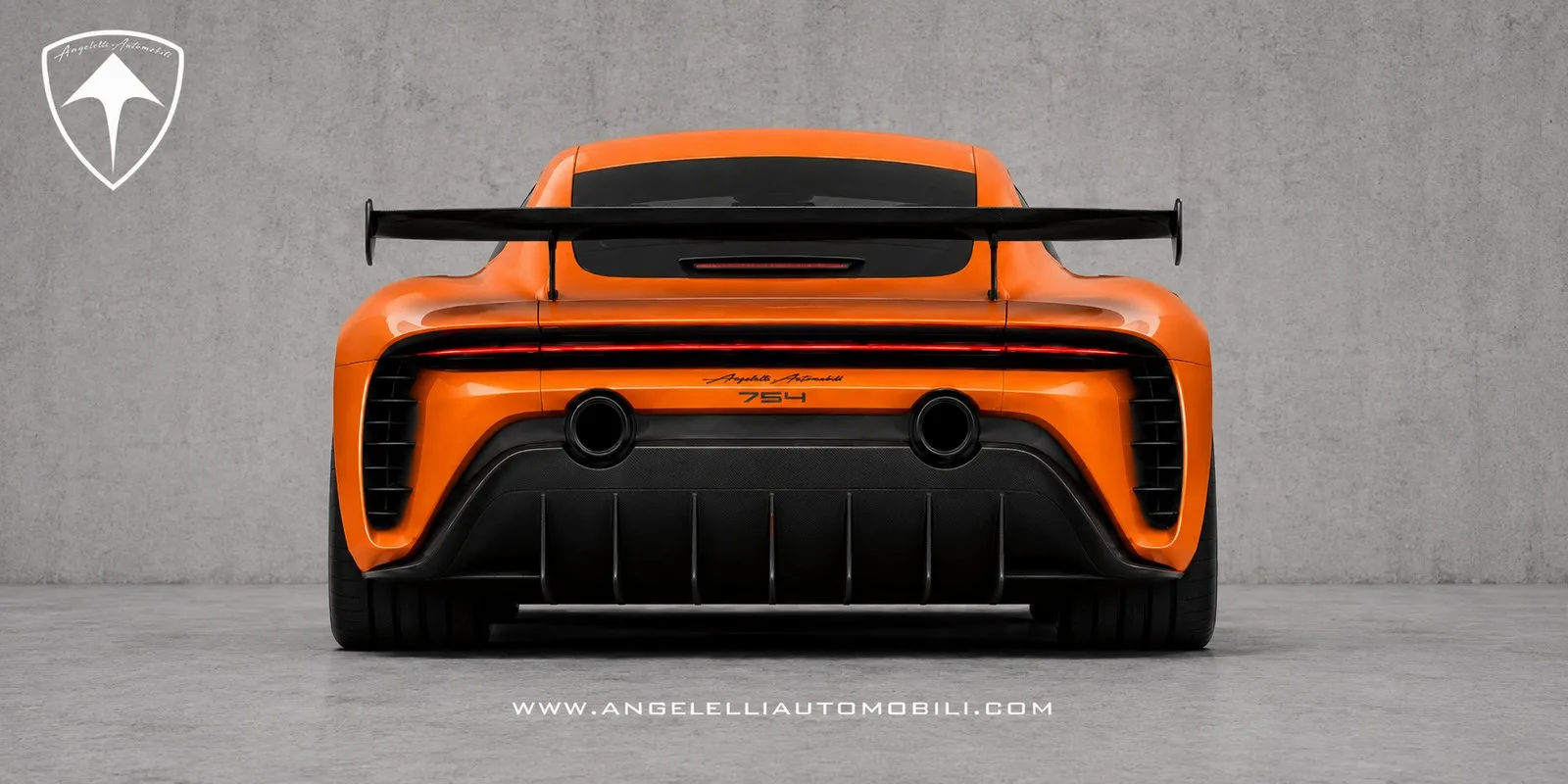
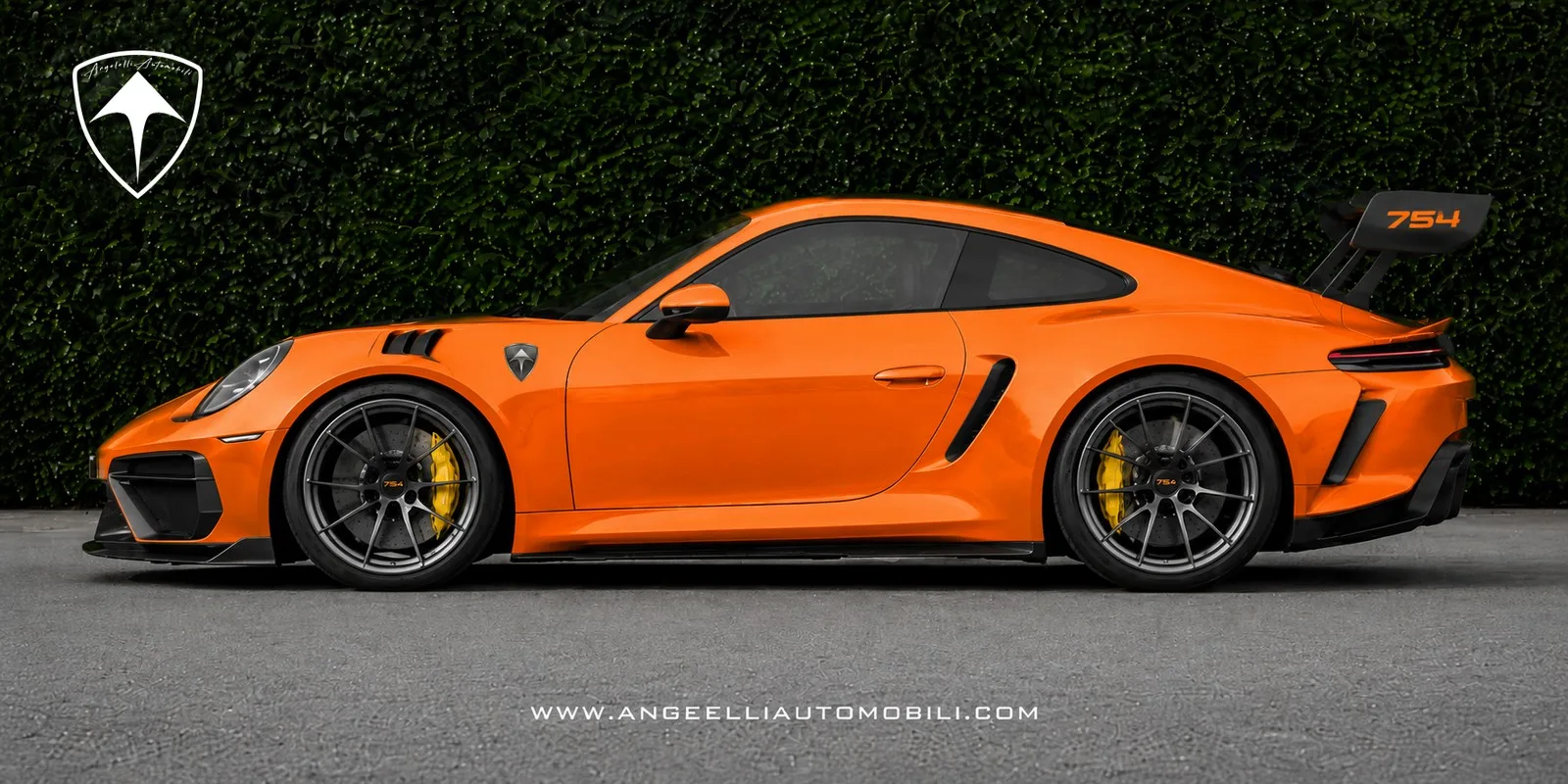
Full Carbon-Fiber Outer Shell: Every body panel is replaced with pre-preg carbon-fiber components, resulting in bespoke exterior proportions, widened fenders, and aggressive air intakes.
-
Active Adaptive Aerodynamics (AAA): Integrated front flaps and active rear wing elements deliver up to 650 kg of downforce at 241 km/h and 960 kg at 285 km/h.
Braking and Chassis Dynamic Systems
Stopping power is tailored to handle continuous circuit usage. Massive 420 mm carbon-ceramic rotors are clamped by high-rigidity 10-piston monoblock calipers at the front axle, while 390 mm rotors with 4-piston calipers handle the rear.
+---------------------------------------------------------------------------------+
|                     CHASSIS & BRAKING SYSTEM HARDWARE                           |
+---------------------------------------------------------------------------------+
|                                                                                 |
|  [ Front Axle: 420 mm Composite Rotors ] <---> [ 10-Piston Monoblock Calipers ] |
|                                                                                 |
|  [ Rear Axle:  390 mm Composite Rotors ] <---> [ 4-Piston Monoblock Calipers ] |
|                                                                                 |
|  [ Wheels: Lightweight Forged Centerlock ] --> [ 20" Front / 21" Rear Fitment ] |
|                                                                                 |
+---------------------------------------------------------------------------------+
Custom pushrod/pullrod suspension linkages, coupled with adaptive electronic dampers, allow precise control over roll centers and anti-squat characteristics regardless of whether the owner chooses the rear-engine or mid-engine chassis footprint.
Exclusivity and Commissioning Process
Production of Project 754 is strictly capped at 50 examples globally—split evenly into 25 units of the 754 R and 25 units of the 754 M.
+---------------------------------------------------------------------------------+
|                       TOTAL PRODUCTION ALLOCATION (50 UNITS)                    |
+---------------------------------------------------------------------------------+
|  - 25 Units: Project 754 R (Rear-Engine Configuration)                          |
|  - 25 Units: Project 754 M (Mid-Engine Configuration)                           |
+---------------------------------------------------------------------------------+
Because each car is manufactured to individual client specifications, buyers can customize suspension rates, mechanical differential locking ratios, aero configurations, interior materials, and exposed carbon finishes. As an independent Italian coachbuilder, Angelelli Automobili operates without factory affiliation to Porsche, delivering a truly bespoke 1-of-1 ownership experience for high-net-worth collectors.
Source: Angelelli Automobili Project 754: Supersportler mit +800 PS auf Elfer-Basis!
✍️ Author: Bejenaru Alexandru Ionut – [email protected]
🔗 Internal link: https://diagnozabam.ro/sfaturi

Recommendation: Looking for a professional bi-directional diagnostic tool with full system coverage? Use code DIAGNOZABAM for 10% off.
Transparency note: Affiliate link. Purchasing through it costs you nothing extra. View Thinkcar Deal →
