
The Return of a 90s Icon: Callum’s Vision for the Jaguar XJ220
The automotive world has been set ablaze by an unexpected revelation from a highly respected figure. Ian Callum, the legendary former design director of Jaguar, has unveiled a striking new modern design study. Created through his independent design house, Callum Designs, the project delivers a complete reinterpretation of the legendary Jaguar XJ220. This twin-turbocharged, mid-engined masterpiece briefly held the title of the world’s fastest production car in the early 1990s.
Today’s automotive landscape is saturated with electric restomods and overly aggressive hypercars. In contrast, Callum’s approach aims directly at emotional purism. The project bridges a gap spanning over three decades. It successfully translates the sweeping, aerodynamic lines of the original British supercar into the visual language of the 2020s.
The Myth of the Original Jaguar XJ220: A Complicated Masterpiece
To understand the importance of this new design concept, we must examine the history of the original car. The Jaguar XJ220 remains one of the most polarizing supercars ever created. It was born from an unauthorized, after-hours project by Jaguar engineers. This group was known as the “Saturday Club.” They wanted to create a modern racing vehicle to rival Porsche and Ferrari.
The original concept car debuted at the 1988 Birmingham Motor Show. It featured a massive, naturally aspirated V12 engine. It also included an advanced four-wheel-drive system. Wealthy enthusiasts immediately placed large financial deposits. However, the production reality was very different.
The economic recession of the early 1990s forced Jaguar to alter its plans completely. When the production car arrived in 1992, the V12 engine was gone. The four-wheel-drive system was also removed. Instead, the car featured a rear-wheel-drive layout. Power came from a twin-turbocharged 3.5-liter V6 engine.
Many buyers felt cheated by these drastic changes. Some even launched legal battles to cancel their contracts. Despite the controversy, the mechanical performance was absolute. The production car produced 542 horsepower. It achieved a verified top speed of 212.3 mph (341.7 km/h) at the Nardò test track. For a brief period, it was the fastest production automobile on Earth.
Who is Ian Callum? The Architect of Modern Jaguar Design
Ian Callum is uniquely qualified to tackle this iconic vehicle. He spent two decades as the head of design for Jaguar. During his tenure, he transformed the brand’s visual identity completely. He replaced the outdated, retro styling cues with sharp, modern designs. His portfolio includes the Jaguar XK, the XF, the XJ, and the beautiful F-Type sports car.
Furthermore, Callum designed the breathtaking Jaguar C-X75 concept car. The C-X75 was meant to be the spiritual successor to the XJ220. Sadly, that project never reached mass production due to financial constraints.
In 2019, Callum left Jaguar to found his own independent design firm. This boutique company focuses on low-volume automotive engineering and bespoke luxury products. This new XJ220 design study represents a personal passion project for Callum. It allows him to revisit a golden era of British supercar design with absolute creative freedom.
Classic DNA Meets 21st-Century Aerodynamics
Reimagining a car with the historical weight of the XJ220 is a tightrope walk. If you push too far into the future, you lose the identity of the vehicle. If you lean too heavily on nostalgia, the project becomes a mere carbon copy.
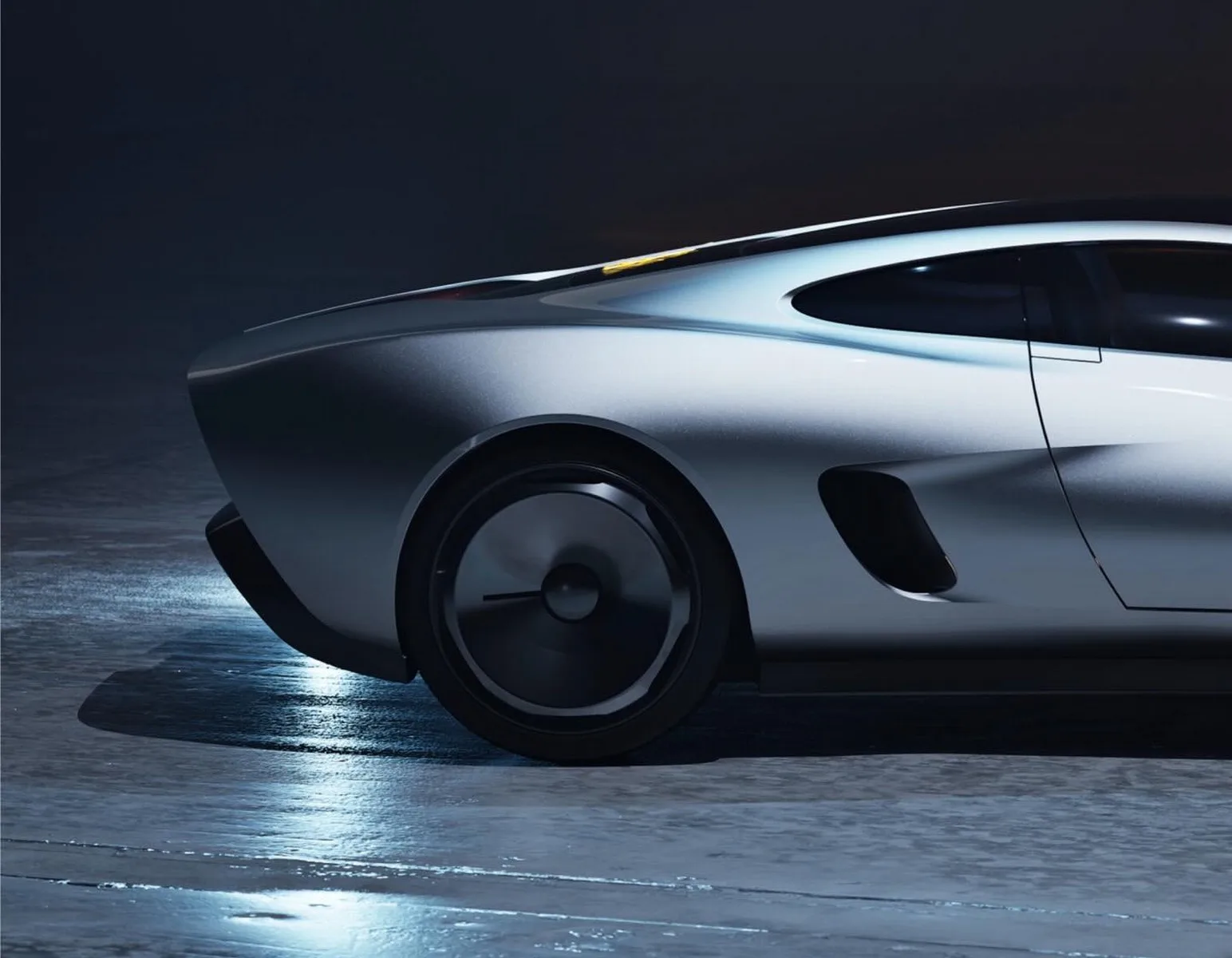
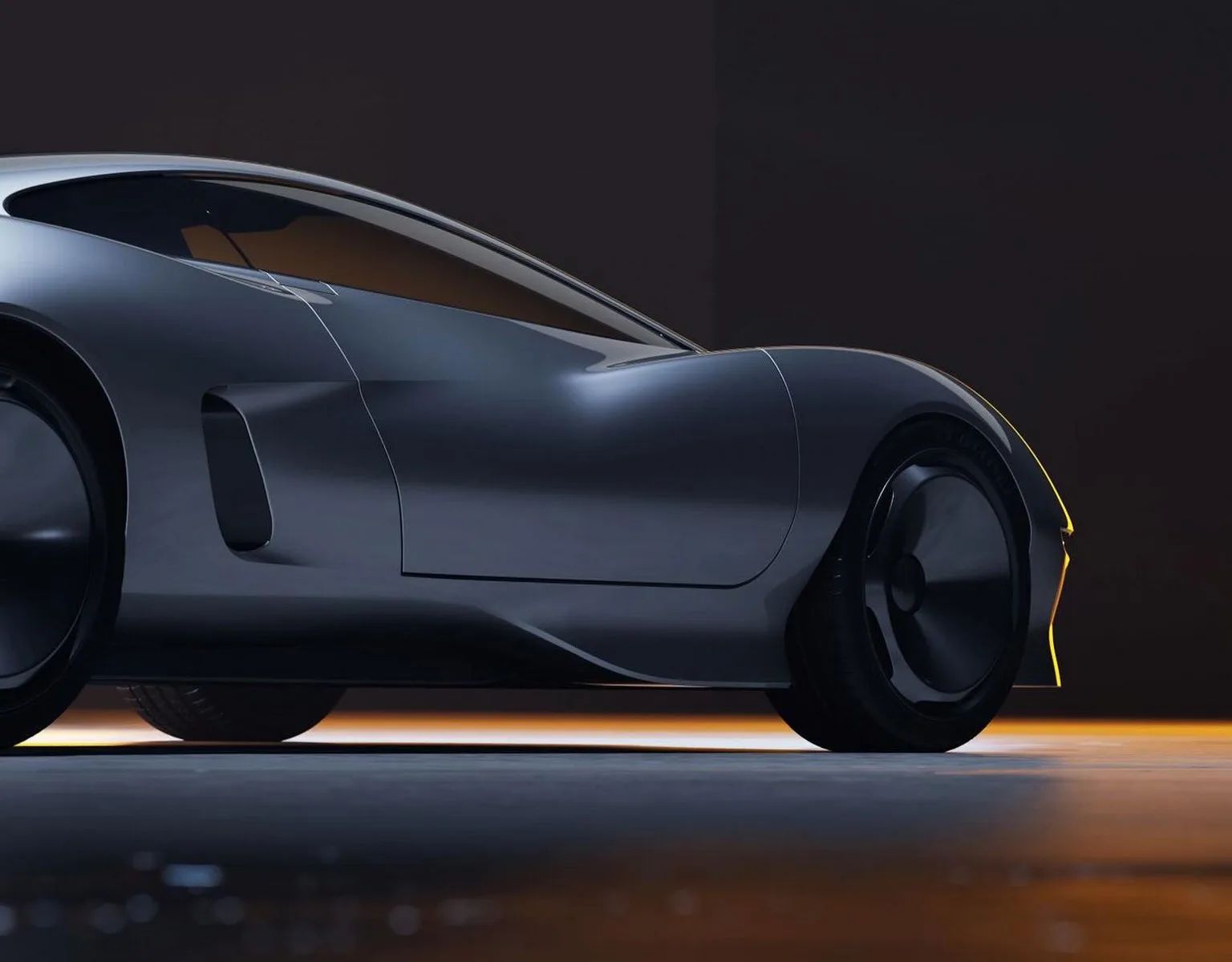
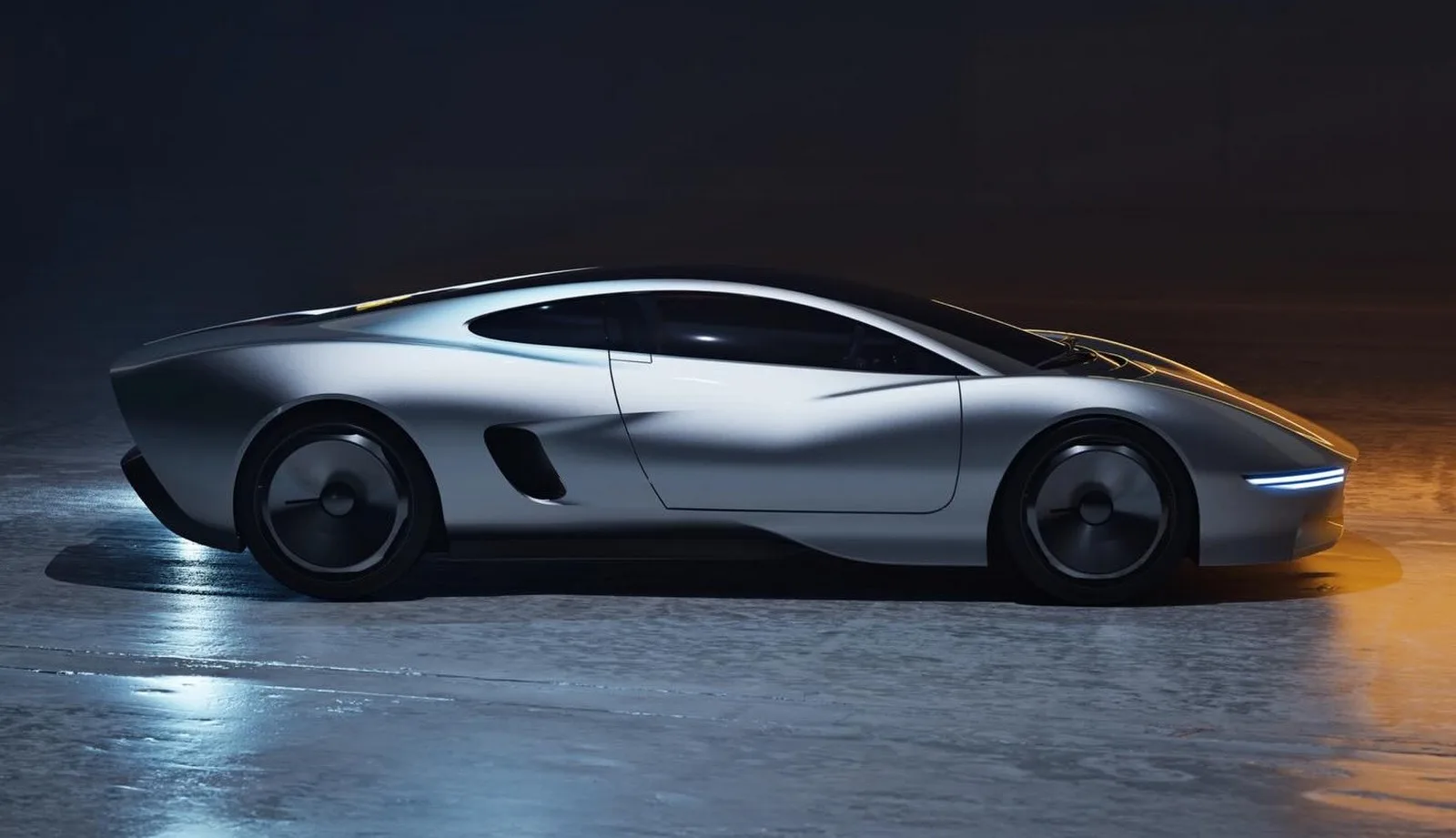
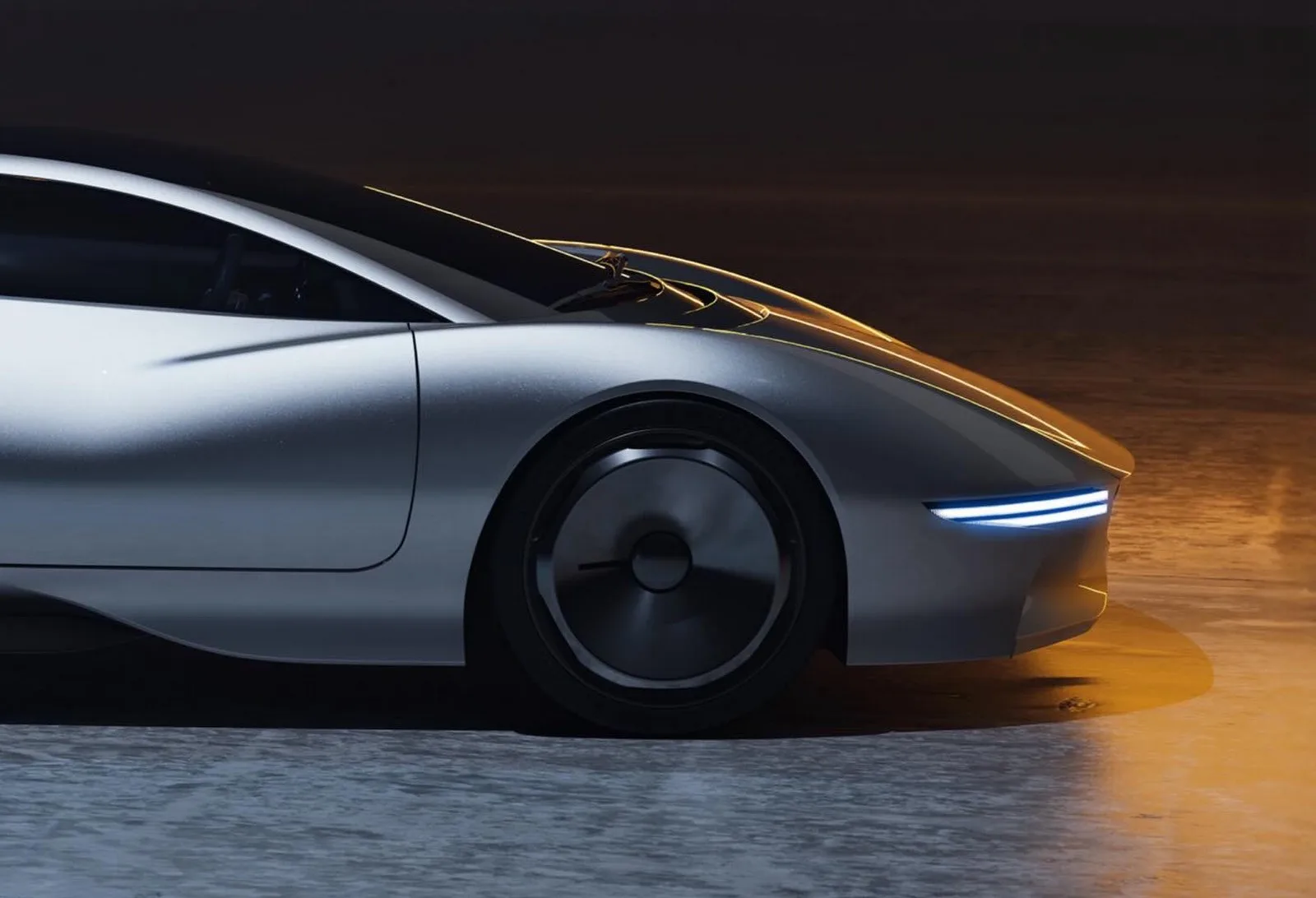
Initial design previews show that Ian Callum has struck a masterful balance. The silhouette remains instantly recognizable. It is low-slung, incredibly wide, and defined by a continuous fluid arc running from the nose to the rear decklid. However, modern manufacturing techniques change the execution completely. New aerodynamic principles also alter the final shape.
       [Low-Slung Nose] -------> [Aero Greenhouse] -------> [Extended Rear Deck]
              |                          |                         |
     (Active Front Aero)        (Seamless Glass Roof)     (Redesigned Vents & Wing)
Key Design Enhancements
-
The Silhouette: The iconic, sweeping cab-forward profile is maintained. Engineers tightened it up with crisper shut lines and tighter panel gaps.
-
Window Line Architecture: The greenhouse features a seamless glass-to-body transition. This modernizes the cabin while retaining the distinctive side-window teardrop profile.
-
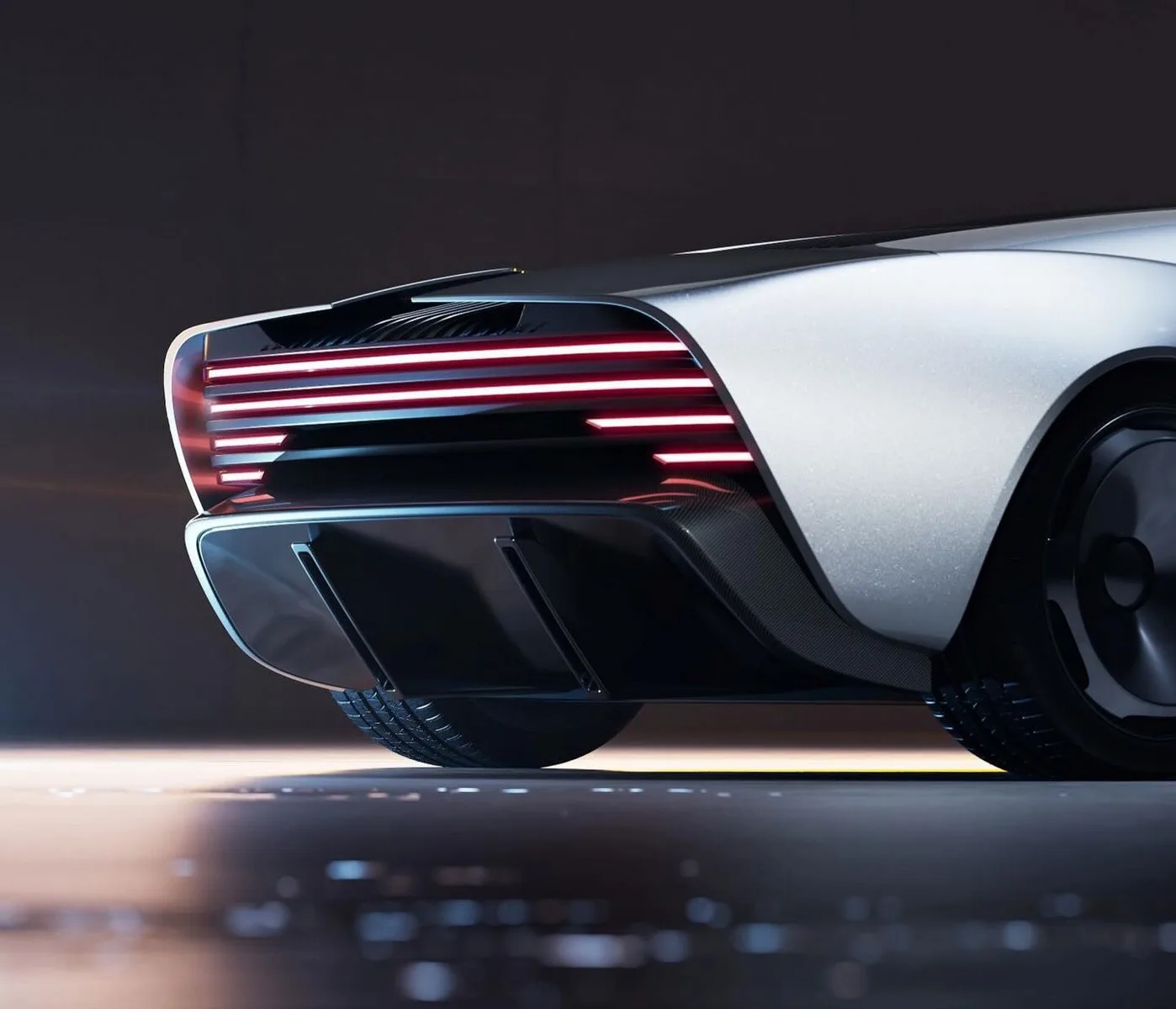
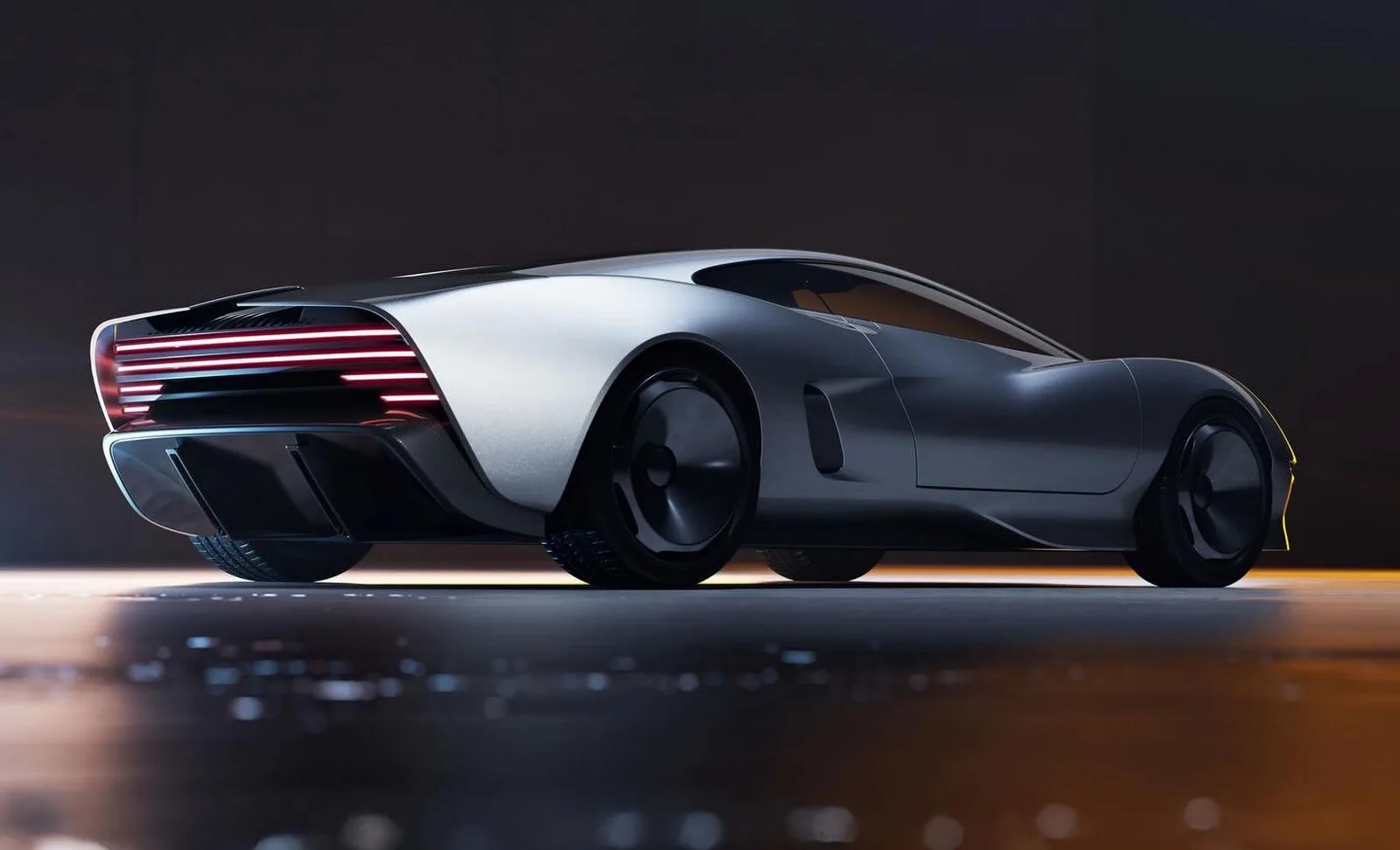
Rear Aero Ventilation: The massive rear cooling ducts were essential on the original car. They vented heat from the twin-turbo V6 engine. Now, they are redesigned into aggressive, integrated carbon-fiber structures.
-
Wheels: The concept revives the classic disc-style alloy wheels of the 90s production model. They are updated with modern multi-piece forged construction and low-profile performance rubber.
-
The Finish: The concept pays homage to the original factory launch cars. It utilizes a modernized metallic finish heavily reminiscent of the classic Spa Silver paint code.
Technical Speculation: What Could Drive the New XJ220?
Callum Designs officially classifies this project as a design study. Because of this, specific mechanical specifications remain undisclosed. Powertrain configurations and performance metrics are also unknown.
If this design study transitions into a limited-production reality, Callum Designs has several powertrain pathways available. These range from traditional internal combustion to cutting-edge electrification.
The original car relied on a race-proven motor derived from the Austin Rover Metro 6R4 rally car. For a modern version, enthusiasts would love to see a high-revving internal combustion engine. However, modern emissions regulations make this difficult. A hybrid powertrain seems like the most logical solution. It could combine a twin-turbocharged V6 or V8 engine with a powerful electric motor system.
| Feature / Metric | Original 1992 Jaguar XJ220 | Proposed Callum Concept (Speculative) |
| Engine Type | 3.5L Twin-Turbo V6 | Twin-Turbo V6 / V8 Hybrid |
| Horsepower Output | 542 hp | 800+ hp |
| Transmission | 5-Speed Manual | 7-Speed Dual-Clutch (DCT) |
| Chassis Construction | Aluminum Honeycomb | Carbon Fiber Monocoque |
| Top Speed | 212.3 mph (341.7 km/h) | 220+ mph (354+ km/h) |
ℹ️ Technical Note: The original XJ220 relied heavily on underbody ground effects to generate downforce. It achieved this without a massive rear wing. Any modern continuation will likely utilize an active venturi tunnel system under the chassis. Electronic actuators will manage this system to balance drag and stability at speeds exceeding 300 km/h.
Deconstructing the Aesthetic Details
A closer inspection of the design concept reveals several fascinating details. The original car featured distinctive pop-up headlights hidden behind vacuum-operated covers. These covers slid downward when the lights were activated. Modern safety laws ban pop-up headlights completely. To solve this, Callum integrated ultra-slim, high-intensity LED projector strips into the front bodywork. This retains the sleek, uninterrupted nose profile when the lights are off.
The rear of the vehicle features another massive transformation. The original 1992 model used the rear light clusters from a Rover 200 hatchback, hidden behind a black mesh grille. The new concept replaces this setup with custom, three-dimensional LED light signatures. These lights float within a sculpted carbon-fiber rear fascia. This enhances the width of the car while improving engine bay cooling.
The exhaust exit points have also been relocated. The original car featured dual tailpipes exiting below the rear bumper. The new design utilizes top-exit exhaust pipes situated on the rear deck lid. This configuration is similar to modern hypercars like the Porsche 918 Spyder. It clears valuable space underneath the car for a massive rear diffuser.
Engineering Challenges in Modernizing a Legend
Bringing a low-volume supercar concept to life requires solving complex thermal equations. Structural equations also add to the difficulty. The packaging constraints of a mid-engine layout create specific challenges. Engine cooling, intake efficiency, and structural rigidity must be calculated simultaneously.
To manage extreme cornering forces, a production version must feature an advanced chassis. The car would need to transition away from the original aluminum honeycomb tub. Instead, it must adopt a high-modulus carbon fiber monocoque. This change would drastically increase torsional stiffness. Furthermore, it would keep the total curb weight significantly below modern hypercar standards, targeting under 1,500 kg.
Suspension geometry is another area that requires complete revision. The 1992 car used a traditional double-wishbone setup with conventional dampers. A modern version would certainly feature active, electronically controlled dampers. These can adjust their stiffness instantly based on road conditions. Front-axle lift systems are also mandatory today. Without them, the long, low front overhang would sustain damage on standard speed bumps.
The Low-Volume Hypercar Market Landscape
If Callum Designs decides to build this vehicle, it will enter a highly competitive market. Wealthy collectors are currently obsessed with low-volume, high-performance machines. These buyers value mechanical purity and historical heritage over outright electric speed.
The modern XJ220 would compete against cars like the Gordon Murray Automotive T.50. It would also face competition from boutique restomods like the Singer Porsche 911 series. The target audience wants an engaging driving experience. They prefer manual or highly tactile dual-clutch transmissions over single-speed electric drivetrains.
To attract these buyers, Callum must ensure the car drives as beautifully as it looks. The original model was notoriously difficult to pilot at low speeds. It lacked power steering. It also lacked anti-lock brakes (ABS) and traction control. A modern iteration would include these essential driver aids. However, they must be tuned carefully to avoid numbing the raw driving experience.
Will It See Production? The Hope Remains Alive
At present, Callum Designs treats this project as a creative exploration. However, the boutique engineering firm frequently turns concepts into street-legal realities. They previously executed the limited-run Aston Martin Callum Vanquish 25. That project represented a thorough re-engineering of another Ian Callum masterpiece. It proved that the studio possesses true manufacturing capabilities. They can successfully deliver high-end, low-volume customer cars.
The firm has the necessary infrastructure to manage small production runs. They work with expert fabricators, carbon-fiber specialists, and powertrain engineers. This means the transition from a digital design study to a physical prototype is entirely possible.
⚠️ WARNING: Low-volume hypercar production faces massive regulatory hurdles. Aligning a 90s structural layout with modern global crash safety regulations is difficult. Pedestrian impact standards require extensive redesigns of the front crumple zones and A-pillars. These changes can severely alter the original design proportions.
The official statement from Callum Designs indicates that this reveal is just the opening chapter. More detailed information regarding the design process will drop in the coming months. Reports on the potential engineering architecture are also scheduled for release. For collectors and enthusiasts of the British brand, the dream is closer than it has been in decades. A refined, modernized XJ220 could finally fix the ergonomic and mechanical flaws of the original car.
The automotive community waits with high anticipation. This project might remain a stunning piece of static art. Alternatively, it could transform into a multi-million dollar track weapon. Either way, Ian Callum has proved once again that great automotive design is timeless.
Source: Jaguar XJ220 feiert als modernes Concept von Ian Callum sein Comeback!
✍️ Author: Bejenaru Alexandru Ionut – [email protected]
🔗 Internal link: https://diagnozabam.ro/sfaturi

Recommendation: Looking for a professional bi-directional diagnostic tool with full system coverage? Use code DIAGNOZABAM for 10% off.
Transparency note: Affiliate link. Purchasing through it costs you nothing extra. View Thinkcar Deal →
