

LED headlights have become a defining standard in modern automotive lighting, gradually replacing traditional halogen and xenon systems. Based on electroluminescence, this technology converts electrical energy directly into visible light, with minimal heat loss and significantly improved efficiency.
Today, LED headlights are no longer limited to premium vehicles. They are increasingly integrated across all segments, driven by the demand for better visibility, enhanced safety, and modern vehicle design. As automotive technology continues to evolve, LED headlights stand at the intersection of performance, efficiency, and intelligent systems.
How LED headlights work
Unlike traditional lighting systems, LED headlights do not rely on a filament or pressurized gas. Instead, they use semiconductors that emit light when an electric current passes through them.
This process ensures a highly efficient energy conversion, resulting in bright, uniform light with minimal wasted heat. One of the key advantages of LED headlights is their instant response time. The moment they are activated, they reach full brightness, providing immediate illumination without delay.
Additionally, LED headlights offer a color temperature closer to natural daylight, improving contrast and visibility on the road. This contributes to reduced eye strain, especially during long nighttime drives.
Design flexibility and modern integration
One of the most important advantages of LED headlights is their design flexibility. Due to their compact size, LEDs allow manufacturers to create slimmer, more complex, and visually distinctive headlight shapes.
In today’s automotive industry, lighting has become a signature element of brand identity. LED headlights enable precise light segmentation, allowing manufacturers to develop unique lighting patterns and visual signatures.
Beyond aesthetics, this flexibility also supports the integration of advanced driver assistance systems. LED headlights are no longer just lighting components—they are part of a broader intelligent vehicle ecosystem.
Advanced systems: Matrix LED and Multibeam LED
The evolution of LED headlights has led to the development of advanced systems such as Matrix LED and Multibeam LED. These technologies use multiple individually controlled LED units, managed by sophisticated electronic systems.
Using front-facing cameras and sensors, the system detects other vehicles in real time and automatically adjusts the light beam. Specific segments of the beam are selectively dimmed or turned off to prevent glare for oncoming traffic, while the rest of the road remains fully illuminated.
This allows drivers to effectively use high beams continuously, without compromising safety. The result is improved visibility over long distances, especially in low-light conditions.
Moreover, these systems can adapt lighting patterns based on speed, road conditions, and weather, providing a dynamic and responsive driving experience.
Key advantages of LED headlights
The widespread adoption of LED headlights is driven by several clear benefits:
First, they provide superior brightness and a light color closer to natural daylight, improving overall visibility.
Second, they are highly energy-efficient, reducing the load on the vehicle’s electrical system.
Their lifespan is significantly longer than traditional systems, often reaching up to 30,000 hours of operation.
LED headlights are also more resistant to vibrations and harsh conditions, making them highly reliable over time.
In addition, they can be integrated with intelligent systems such as adaptive lighting and automatic high beams, further enhancing driving safety and comfort.
Impact on road safety
Road safety is one of the strongest arguments in favor of LED headlights. Improved visibility allows drivers to detect obstacles, pedestrians, and road signs more quickly and accurately.
The uniform distribution of light reduces dark spots and excessive contrast, creating a clearer view of the road environment. At the same time, adaptive lighting systems reduce the risk of blinding other drivers, which is a critical factor in preventing accidents.
In modern traffic conditions, where situations can change rapidly, the ability of LED headlights to adapt in real time provides a significant safety advantage.
Maintenance and durability
Another important aspect of LED headlights is their low maintenance requirement. Due to their long lifespan, they rarely need replacement compared to traditional lighting systems.
However, their advanced technology means that repairs can be more complex and potentially more expensive. For accurate diagnostics and professional inspection of lighting and electronic systems, it is recommended to consult specialized services such as https://diagnozabam.ro.
Manufacturers continue to improve the durability and reliability of LED systems, ensuring consistent performance over extended periods.
Future trends in LED lighting
LED technology continues to evolve rapidly, shaping the future of automotive lighting. Integration with artificial intelligence and advanced driver assistance systems is expected to further enhance functionality.
Emerging innovations include projection-based lighting systems that can display information directly onto the road surface, as well as lighting systems that adapt based on real-time navigation data.
For deeper insights into the evolution of automotive lighting technologies, resources provided by industry leaders such as https://www.osram.com offer valuable information and technical expertise.
Conclusion
LED headlights are no longer just a modern feature—they are a fundamental component of today’s automotive landscape. By combining energy efficiency, high performance, and intelligent functionality, they play a crucial role in improving both safety and driving comfort.
As technology continues to advance, LED headlights—especially Matrix and Multibeam systems—will remain at the forefront of innovation, setting new standards for visibility and performance in the automotive industry.
✍️ Author: Bejenaru Alexandru Ionut – [email protected]
🔗 Internal link: https://diagnozabam.ro/sfaturi
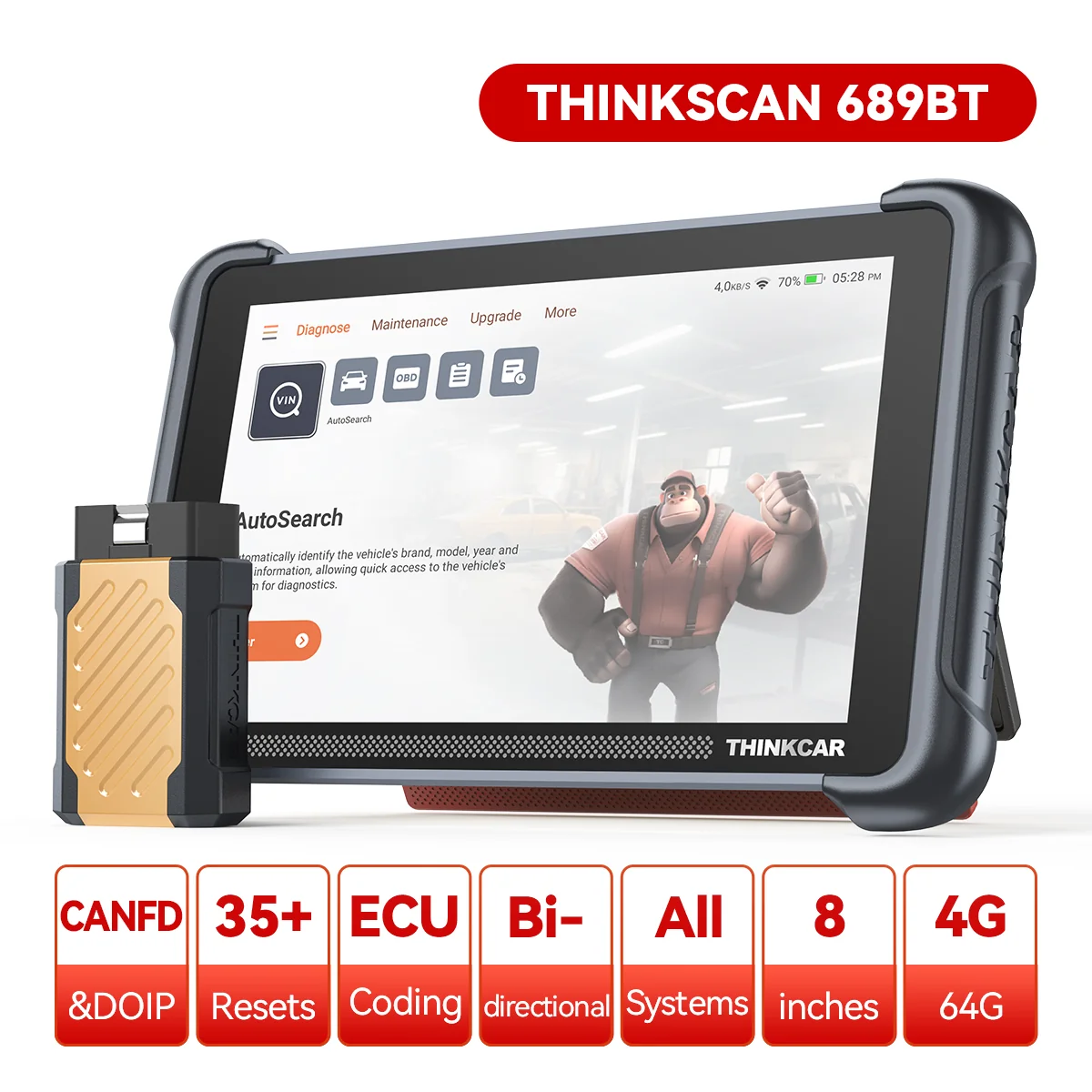
Recommendation: Looking for a professional bi-directional diagnostic tool with full system coverage? Use code DIAGNOZABAM for 10% off.
Transparency note: Affiliate link. Purchasing through it costs you nothing extra. View Thinkcar Deal →
