
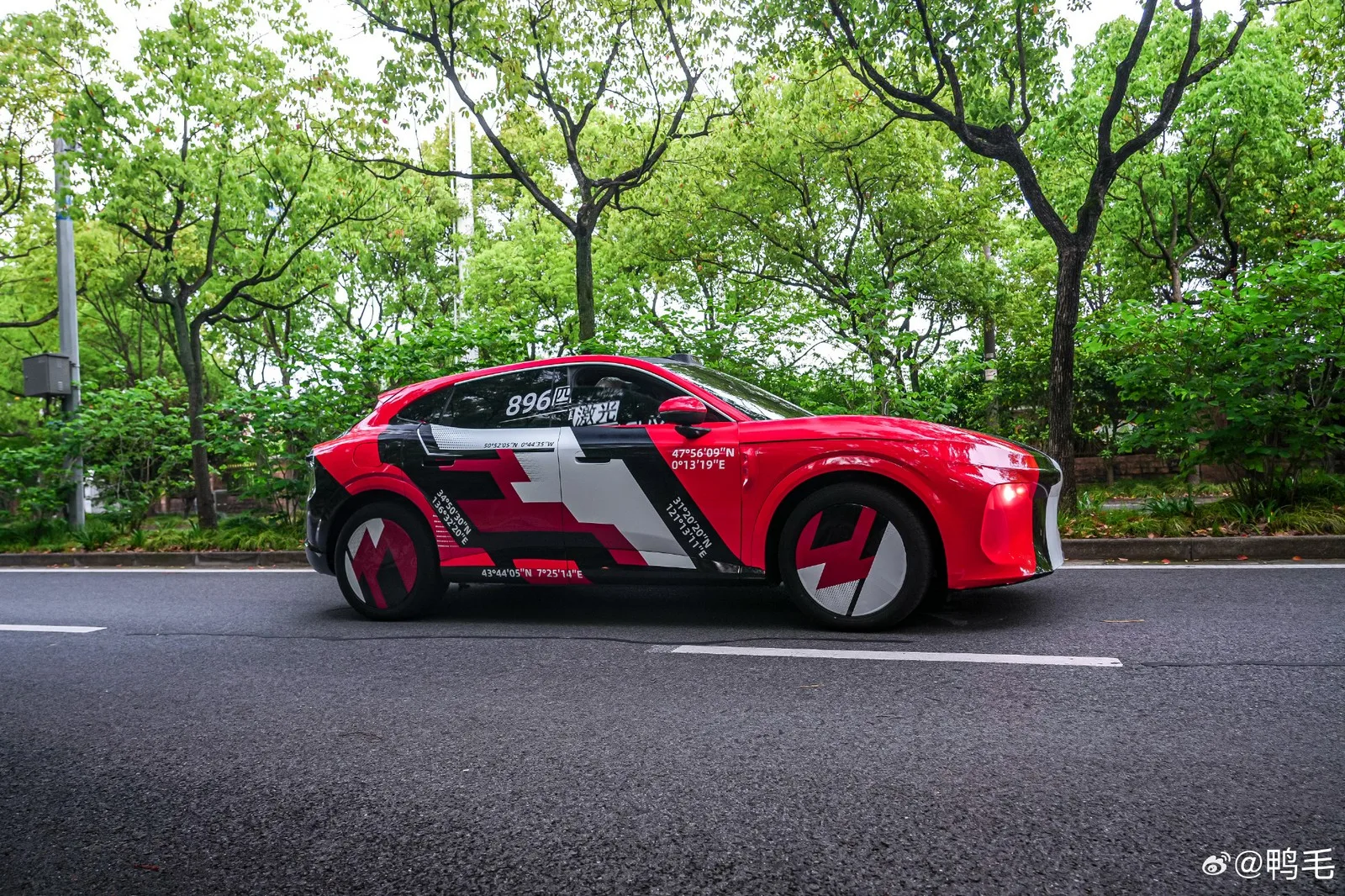
Voyah FE: The 2026 Coupé-SUV That Challenges the Limits of Tech and Aero
The automotive landscape is shifting from traditional horsepower wars to a new frontier: computational power and aerodynamic efficiency. Voyah, the premium electric brand under the Dongfeng Motor Corporation umbrella, has recently pulled back the curtain on its latest project. Currently known by its internal code, FE, this Coupé-SUV is not merely another addition to the crowded EV market. It is a high-tech manifesto slated for a mid-2026 release.
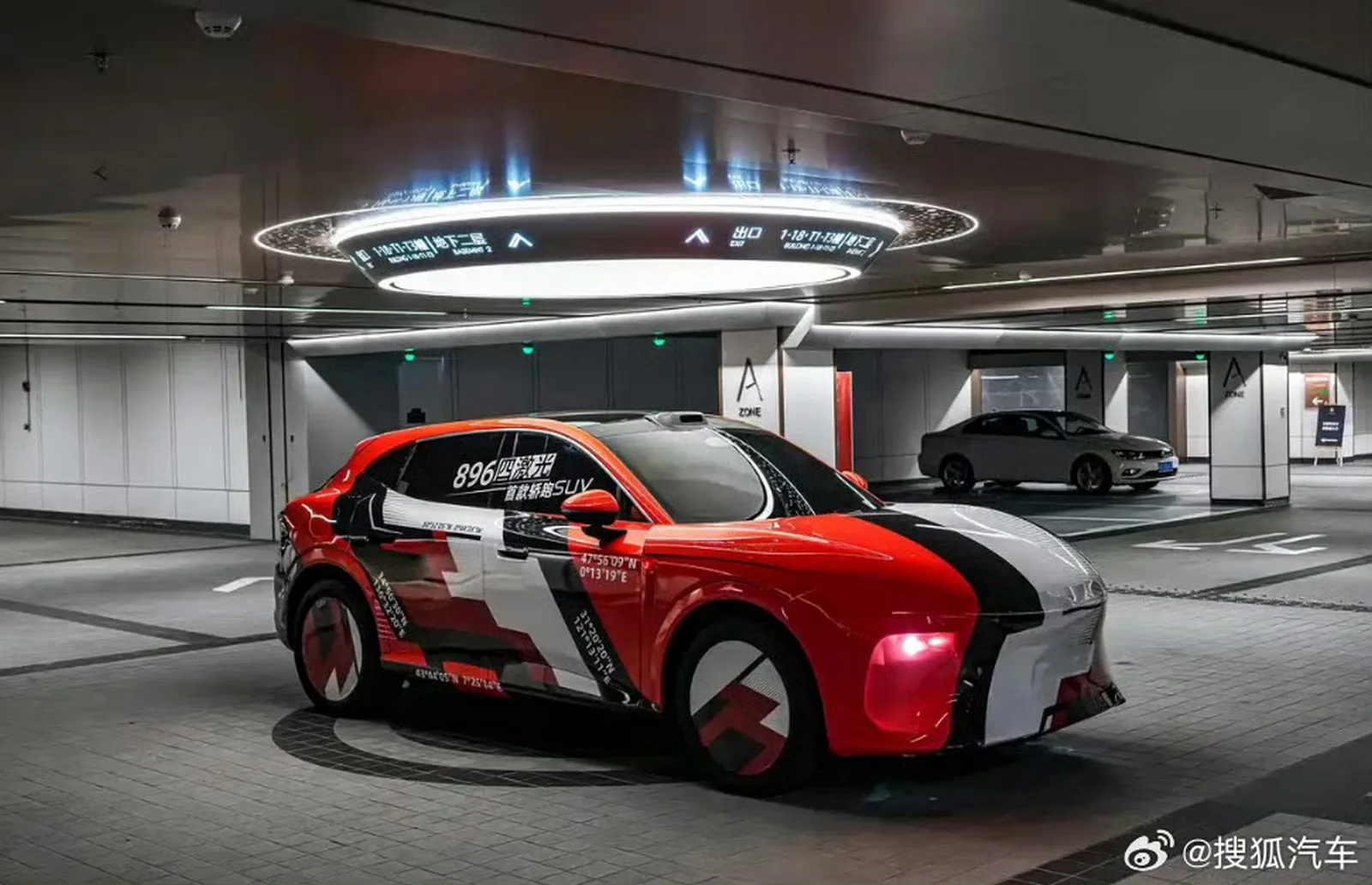
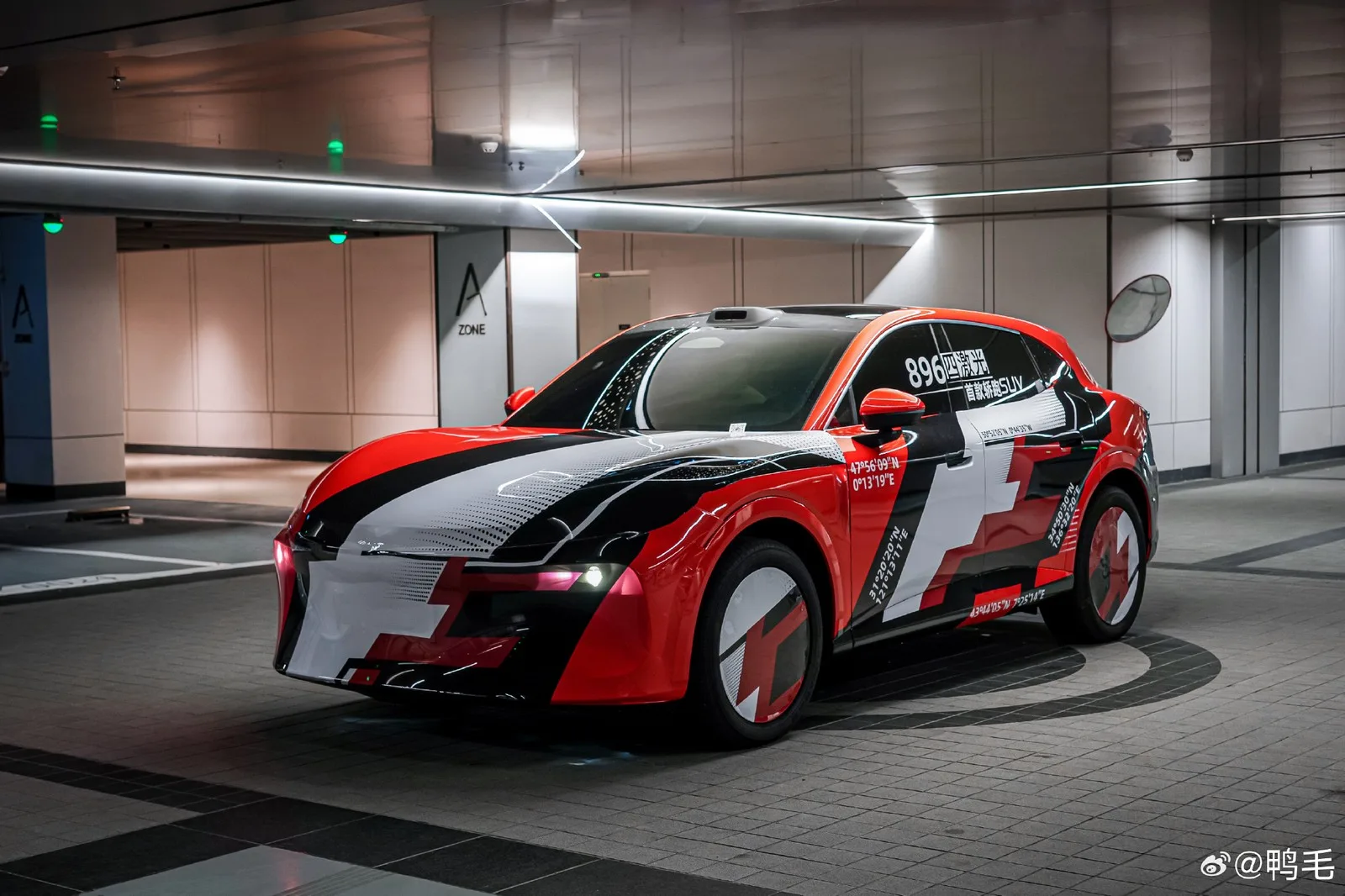
While the test mules are still wearing camouflage, the “FE” (which likely stands for “Future Edition” or “Fast Electric”) is already screaming for attention. With bold markings like “896” and “Quad-LiDAR” plastered across its body, Voyah is signaling to the world that it is integrating the absolute pinnacle of Huawei’s intelligent driving technology.
Zece semne ale unui injector de combustibil infundat și modul de rezolvare
A New Design Language Built for the Wind
The first thing that strikes you about the Voyah FE is its silhouette. It follows the “Coupé-SUV” trend but pushes it toward a flatter, more aggressive stance that blurs the line between a crossover and a high-performance grand tourer. However, every curve on the FE has been dictated by the laws of physics rather than just the whims of a designer.
The Science of “Air-Action”
Voyah has introduced a concept they call “Air-Action,” which treats air not as an obstacle, but as a tool. The vehicle is engineered with a complex network of 10 through-flow channels and 18 strategic vents. This level of aerodynamic management is usually reserved for limited-run hypercars, not production SUVs.
Povestea Uimitoare a Primei Pernițe de Siguranță Auto: Inspirată de Un Accident Nefericit
| Aerodynamic Component | Function and Impact |
| Active Front Intakes | Two motorized flaps that adjust based on cooling needs and speed to reduce drag. |
| Hood Air Ducts | Channels air from the front grille and ejects it over the roof to generate downforce. |
| Fender Outlets | Reduces high-pressure air and turbulence inside the wheel arches. |
| Hollow Rear Wing | A “sport wing” design that allows air to pass through, stabilizing the rear at high speeds. |
| 21-inch Aero Wheels | Optimized rim design to pull heat from the brakes while maintaining a clean profile. |
The efficiency gained from these 18 vents is crucial for a 2026 EV. By reducing the drag coefficient ($Cd$), Voyah can extract more range from the battery without simply adding more weight. In the EV world, 10% less drag can equate to a significant increase in highway range—a key metric for a vehicle intended for long-distance cruising.
The Intelligence Core: Huawei Qiankun ADS 5.0
If the exterior is about conquering the wind, the interior and “brain” of the Voyah FE are about conquering the road through automation. The markings on the prototype confirm that the FE will be one of the first vehicles to fully utilize the Huawei Qiankun ADS 5.0 (Automated Driving System).
The Quad-LiDAR Advantage
While many manufacturers are moving toward vision-only systems (using only cameras), Voyah and Huawei are doubling down on redundancy and precision. The FE features a Quad-LiDAR setup. This means four laser-scanning units working in tandem to create a high-definition, 3D map of the surroundings in real-time, regardless of lighting or weather conditions.
Total Sensor Array Breakdown:
The FE is equipped with a massive suite of 32 sensors, ensuring a 360-degree safety cocoon:
-
4 LiDAR Units: Positioned to cover all corners, eliminating blind spots for autonomous maneuvers.
-
3 Forward-facing 4D Millimeter-wave Radars: Unlike standard radar, 4D radar can detect the height of objects, preventing “phantom braking” under bridges.
-
2 Rear Radars: For high-speed rear-approach monitoring and lane-change assistance.
-
11 HD Cameras: Providing visual recognition of traffic lights, signs, and road markings.
-
12 Ultrasonic Sensors: Primarily used for precision parking in tight urban environments.
This hardware enables a level of autonomy that goes beyond simple lane-keeping. The Qiankun ADS 5.0 system is designed to handle complex urban navigation, unprotected left turns, and multi-level parking structures without driver intervention.
Performance and Chassis: More than just a “Gadget on Wheels”
Despite the heavy focus on software, the Voyah FE remains a driver-centric machine. It sits on a massive 21-inch wheel setup, hiding performance-oriented brake calipers. This suggests that the power output will be substantial.
While official figures are under wraps, industry analysts expect a dual-motor configuration producing upwards of 500 CP to 600 CP. In the world of premium Chinese EVs, a 0-100 km/h sprint in under 4 seconds is the standard for this segment, and the FE is expected to meet or exceed that.
Expected Performance Metrics
-
Target Acceleration: 0-100 km/h in approx. 3.8 seconds.
-
System Voltage: 800V Architecture (allowing for 10% to 80% charge in under 15 minutes).
-
Braking: Performance multi-piston calipers for high thermal resistance.
Tesla Cybertruck: Revelația și Recalificarea – O Reparare Esențială în Drumul Spre Viitor
Market Positioning and 2026 Outlook
The Voyah FE is entering a market that will be significantly more mature by mid-2026. It will face stiff competition from the likes of the Tesla Model Y Juniper, the Zeekr 001, and upcoming European electric performance SUVs.
Voyah’s strategy is clear: Technical Superiority through Partnership. By leveraging Huawei’s massive R&D in AI and combining it with Dongfeng’s manufacturing scale, the FE is positioned as a “smart” luxury choice. It appeals to the automotive analyst who looks at data points like sensor redundancy and aerodynamic venting rather than just brand prestige.
Technical Context: Evolution of the Coupé-SUV
The transition from the traditional SUV to the Coupé-SUV was initially criticized for sacrificing headroom for style. However, the Voyah FE proves that the “Coupé” shape is actually the most logical form for an EV. A sloping roofline naturally allows for better air detachment at the rear, which is vital for reducing the vacuum effect that slows down a vehicle.
When we look at the formula for power requirements at high speeds ($P = 0.5 times rho times v^3 times Cd times A$), it becomes clear why Voyah invested so much into those 18 vents. As speed ($v$) increases, the power needed to overcome drag grows cubically. By optimizing the $Cd$ (drag coefficient), Voyah ensures the FE remains efficient even at the high speeds typical of the European Autobahn or Chinese expressways.
Internal Comparison: Tuning vs. Factory Tech
It is interesting to compare the “out-of-the-box” technology of the Voyah FE with the aftermarket world. While Voyah uses active aerodynamics and electric motors to achieve performance, traditional internal combustion experts are still finding ways to push the limits of petrol engines.
Reading Recommendation: For those who still appreciate the roar of a V6, Mcchip-DKR has recently developed a Kompressorkit (supercharger kit) for the Audi RS5. This modification transforms the RS5’s power delivery, providing a mechanical alternative to the instant torque found in EVs like the Voyah FE. It’s a fascinating look at how the “old guard” is fighting back with pure displacement and forced induction.
Android 15 Adaugă Funcționalitatea NFC pentru Încărcarea Wireless a Dispozitivelor Mici
Conclusion: A Glimpse into 2026
The Voyah FE represents a turning point. It is a vehicle where the software (Huawei Qiankun) and the hardware (18-vent Aero) are in perfect parity. For the modern consumer, the “896” and “Quad-LiDAR” labels are becoming as prestigious as a “V8” badge once was.
As we move closer to the mid-2026 launch, we expect to see more details regarding the interior layout—likely featuring a triple-screen setup and high-density materials—and the final battery capacities. One thing is certain: Voyah is no longer playing catch-up; with the FE, they are aiming to lead the pack.
Source: 2027 Voyah FE: Coupé-SUV mit Huawei-Tech und Xiaomi-YU7-Vibes
✍️ Author: Bejenaru Alexandru Ionut – [email protected]
🔗 Internal link: https://diagnozabam.ro/sfaturi

Recommendation: Looking for a professional bi-directional diagnostic tool with full system coverage? Use code DIAGNOZABAM for 10% off.
Transparency note: Affiliate link. Purchasing through it costs you nothing extra. View Thinkcar Deal →
