

The Complete Glossary of Electric Car Battery Technologies
Electric mobility has completely reshaped the auto industry. Understanding the technologies behind EV batteries has become essential, not just for engineers, but for mechanics, enthusiasts, and everyday drivers alike.
This guide breaks down the most important terms used today by manufacturers and researchers working on electric vehicle batteries.
Energy Density: The Number That Matters Most
Energy density measures how much energy a battery stores per kilogram of weight. It’s arguably the single most important indicator in the entire industry.
The higher the value, the better an electric vehicle’s range without a significant increase in overall mass.
Older standards topped out around 200 Wh/kg. Modern technologies already reach 330 Wh/kg.
ℹ️ Technical Note: Going from 200 to 330 Wh/kg means the same battery, at the same weight, can store 65% more energy. In practical terms, range increases significantly without any compromise on space or weight.
Core Technologies: LFP, CTP, and CTC
The EV battery industry relies on three key terms that describe both cell chemistry and how cells get physically integrated into the vehicle.
LFP (LiFePO4)
LFP batteries, built on a lithium-iron-phosphate chemistry, are known for:
- Extended lifespan, well beyond many other battery chemistries.
- High safety, thanks to superior thermal stability.
- Better resistance to repeated charge-discharge cycles.
These batteries are preferred especially for vehicles where longevity matters more than maximum energy density.
CTP (Cell to Pack)
Cell to Pack eliminates the intermediate steps found in classic battery architecture, integrating cells directly into the pack without separate modules.
The result:
- Better volumetric efficiency — more energy in the same physical space.
- Energy density of up to 255 Wh/kg for NMC chemistry.
- Energy density of up to 160 Wh/kg for LFP chemistry.
CTC (Cell to Chassis)
Cell to Chassis takes the concept a step further. Cells get integrated directly into the vehicle’s chassis, not just into a separate pack.
The benefits are significant:
- Range exceeding 1,000 km on a single charge cycle.
- Reduced consumption, under 12 kWh/100 km.
- Lighter overall structure, since the battery becomes part of the vehicle’s structural architecture rather than an added component.
CLASSIC ARCHITECTURE         CTP (Cell to Pack)          CTC (Cell to Chassis)
      |                            |                            |
   [Cells]                     [Cells]                      [Cells]
      |                            |                            |
  [Modules]                 [Direct Pack]                [Chassis Integration]
      |                            |                            |
   [Pack]                    [No Modules]                [Vehicle Structure]
      |                            |                            |
[Lower Density]           [Higher Density]          [Max Density + Range]
Materials and Innovative Processes
Beyond the physical architecture of the battery, internal chemistry and materials play just as important a role in performance and longevity.
- Low lithium-consumption anode — reduces cell degradation over time.
- Passivated cathode — limits unwanted chemical reactions that shorten lifespan.
- Self-healing bio-inspired electrolytes — technology drawn from biological processes, capable of repairing internal micro-cracks.
- Isotropic graphite — improves charging speed through an optimized molecular structure.
- Superconducting electrolytes — reduce internal resistance, speeding up energy transfer.
ℹ️ Technical Note: Self-healing electrolytes work through special polymers that “heal” at the molecular level when they detect micro-cracks, preventing accelerated cell degradation before it becomes a measurable performance problem.
Ultra-Fast Charging: How Fast Can It Really Go?
One of the biggest barriers to electric mobility has always been charging time. Recent technologies have drastically narrowed that gap.
- Charging to 80% in just 5 minutes.
- Resulting range of up to 600 km after a single fast-charging session.
This speed becomes possible through a combination of superconducting electrolytes, isotropic graphite, and thermally optimized cell architectures working together.
Safety: Preventing Failures Before They Happen
Higher charging speeds and higher energy density come with greater thermal risks. That’s exactly why safety has become a major technological priority.
- Nanocoating — a protective layer at the molecular level that reduces the risk of internal short-circuiting.
- High-temperature-resistant electrolytes — prevent rapid degradation under extreme conditions.
- Big Data early-warning systems — analyze battery parameters in real time to catch anomalies before they turn dangerous.
⚠️ WARNING: Without proper thermal management systems, high-energy-density batteries can develop a phenomenon known as “thermal runaway” — a chain reaction leading to uncontrolled overheating. Modern safety technologies are specifically designed to prevent this scenario from ever starting.
Smart Management: Wireless BMS and Big Data
A modern battery isn’t just chemistry and materials. It’s software too. Battery Management Systems (BMS) have evolved significantly.
Monitoring and Correction
- Anode potential monitoring — tracks the anode’s internal condition to prevent premature degradation.
- Fast SOC (State of Charge) correction — adjusts real-time estimates of actual charge level.
Wireless BMS
Wireless BMS systems eliminate the complex wiring found inside traditional battery packs, bringing clear benefits:
- Simplified maintenance — fewer physical connections that can fail over time.
- Extended lifespan — more precise monitoring at the individual cell level.
- Reduced weight — eliminating physical cabling cuts the pack’s overall mass.
Big Data Algorithms
Big Data-based systems constantly analyze battery parameters to:
- Prevent sudden power drops.
- Optimize each cell’s performance in real time.
- Extend the entire pack’s lifespan through predictive adjustments.
Comparison Table: Key Technologies
| Technology | Main Benefit | Measurable Impact |
|---|---|---|
| LFP | Safety and lifespan | Extended charge cycles |
| CTP | Volumetric efficiency | Up to 255 Wh/kg (NMC) |
| CTC | Maximum range | Over 1,000 km, under 12 kWh/100 km |
| Nanocoating | Thermal safety | Reduced short-circuit risk |
| Wireless BMS | Simplified maintenance | Precise per-cell monitoring |
| Ultra-fast charging | Minimal charging time | 80% in 5 minutes |
Frequently Asked Questions
What’s the practical difference between CTP and CTC for an everyday driver?
CTP delivers better energy density in a classic pack, mounted under the floor. CTC integrates the battery directly into the vehicle’s structure, resulting in greater range and lower consumption, but it requires a completely new vehicle design from the ground up.
Are LFP batteries weaker than NMC ones?
Not necessarily weaker, just different priorities. LFP offers superior safety and longevity, while NMC reaches higher energy densities. The right choice depends on how the vehicle actually gets used.
Does ultra-fast charging damage the battery long-term?
Modern technologies, through temperature-resistant electrolytes and advanced BMS systems, are specifically engineered to minimize degradation even across repeated fast-charging cycles.
Conclusion
Electric car battery technologies like LFP, CTP, and CTC keep redefining the limits of range, safety, and efficiency. From rising energy density to 5-minute charging sessions and intelligent management systems, the industry keeps moving fast.
Understanding these terms is no longer optional for anyone involved in the auto industry. It’s essential for navigating this new era of electric mobility.
Source: Autotehnica
✍️ Author: Bejenaru Alexandru Ionut – [email protected]
🔗 Internal link: https://diagnozabam.ro/sfaturi
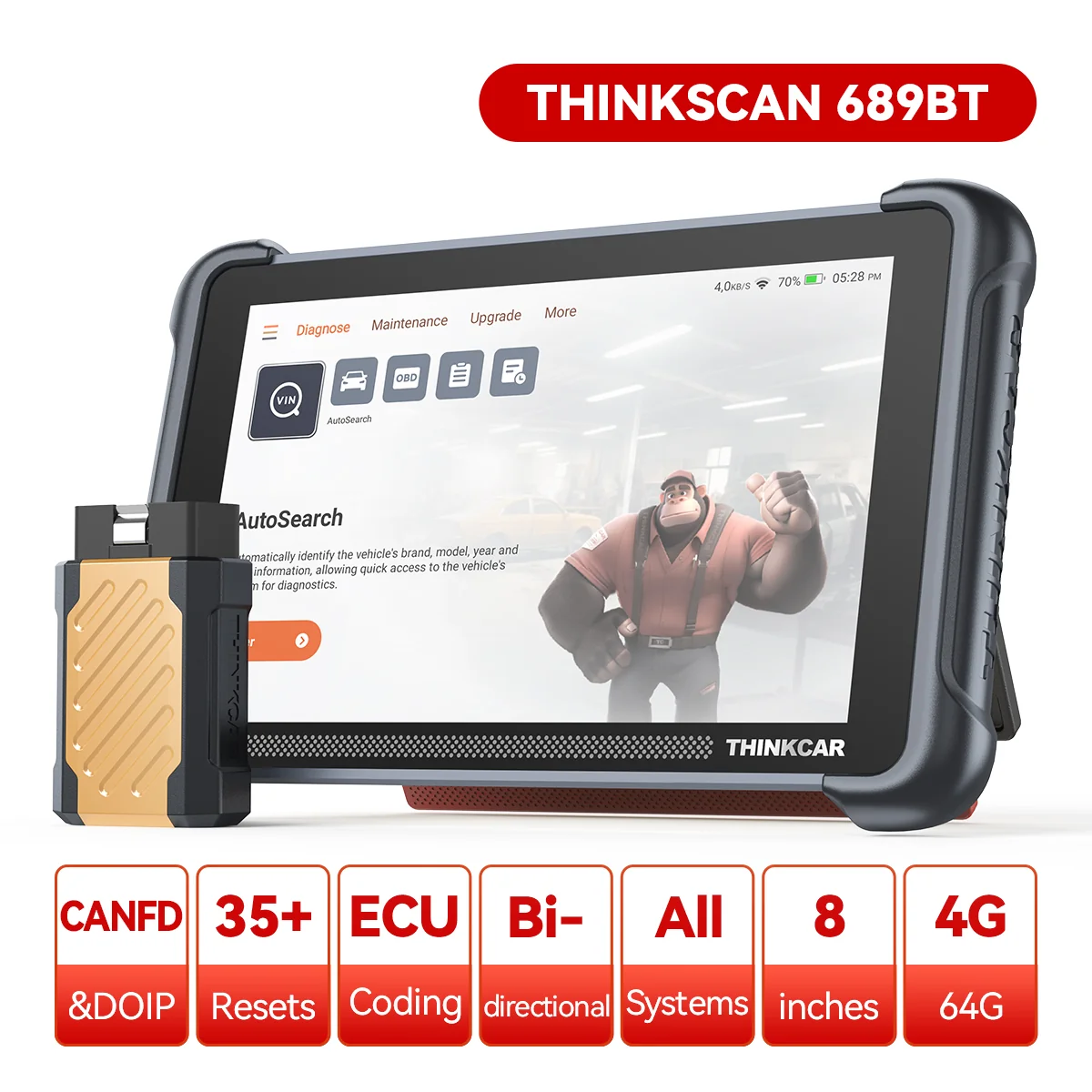
Recommendation: Looking for a professional bi-directional diagnostic tool with full system coverage? Use code DIAGNOZABAM for 10% off.
Transparency note: Affiliate link. Purchasing through it costs you nothing extra. View Thinkcar Deal →
