US vs European Diesel Fuel: The Real Difference
Most drivers assume diesel fuel is the same worldwide. It is not. One of the biggest chemical differences between US vs European diesel fuel is the cetane number, and that…
Independent Auto Diagnostics, Tech Analysis and Smart Insights
Most drivers assume diesel fuel is the same worldwide. It is not. One of the biggest chemical differences between US vs European diesel fuel is the cetane number, and that…
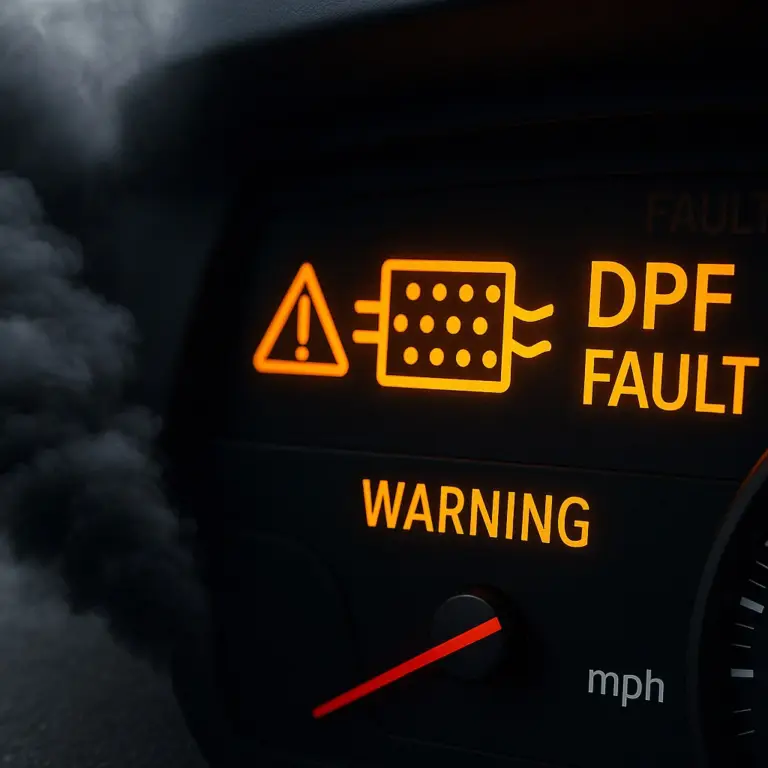
The error code P2463 is one of the most common and expensive diesel-related OBD2 faults. When P2463 appears, it usually means excessive soot accumulation inside the Diesel Particulate Filter (DPF).…
The P0191 code fuel rail pressure range is commonly found in diesel common-rail systems and direct injection gasoline engines. It indicates that fuel rail pressure readings are unstable or outside…
The P2002 code DPF efficiency below threshold is one of the most common diesel-related OBD2 trouble codes. It indicates that the Diesel Particulate Filter (DPF) is no longer operating within…
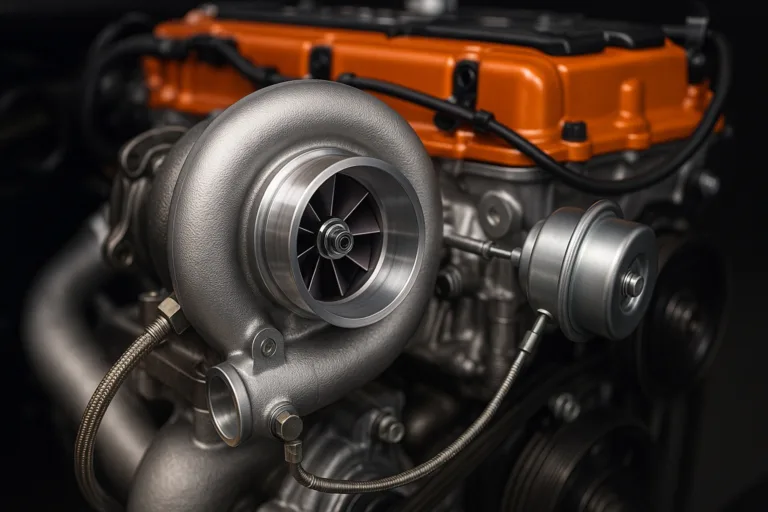
The P0299 code turbo underboost is one of the most common OBD2 trouble codes found in modern diesel engines and many turbocharged gasoline engines. When this code appears, the Engine…
The P0171 code lean mixture is one of the most common OBD2 diagnostic trouble codes found in gasoline engines and, in certain conditions, even in modern direct-injection systems. When the…
Diesel in 2026 remains one of the most debated topics in the European automotive market. With expanding Low Emission Zones, rising fuel prices, and increasing EV adoption, many drivers are…
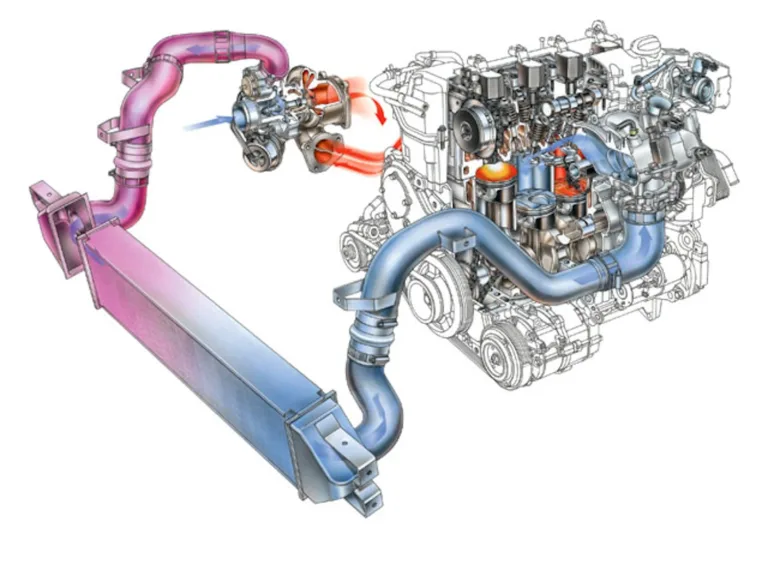
How Does an Intercooler Work? Complete Technical Guide (2026) You know your car has a turbocharger. You might even know it has an intercooler. But do you know what actually…
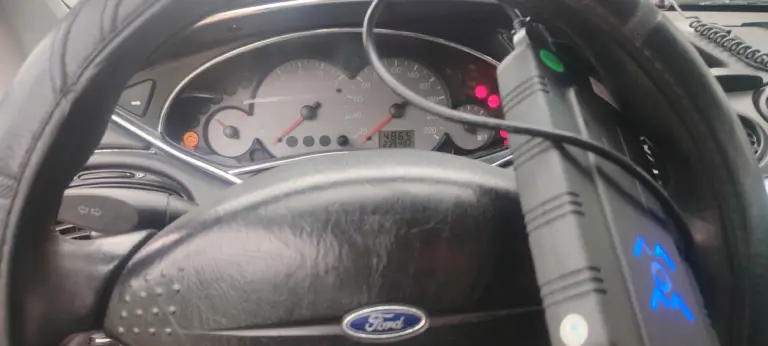
AI in Automotive Diagnostics 2026: Guesswork Is Over Modern cars are no longer mechanics with a bit of electronics. They are computers on wheels. Those computers talk to each other…
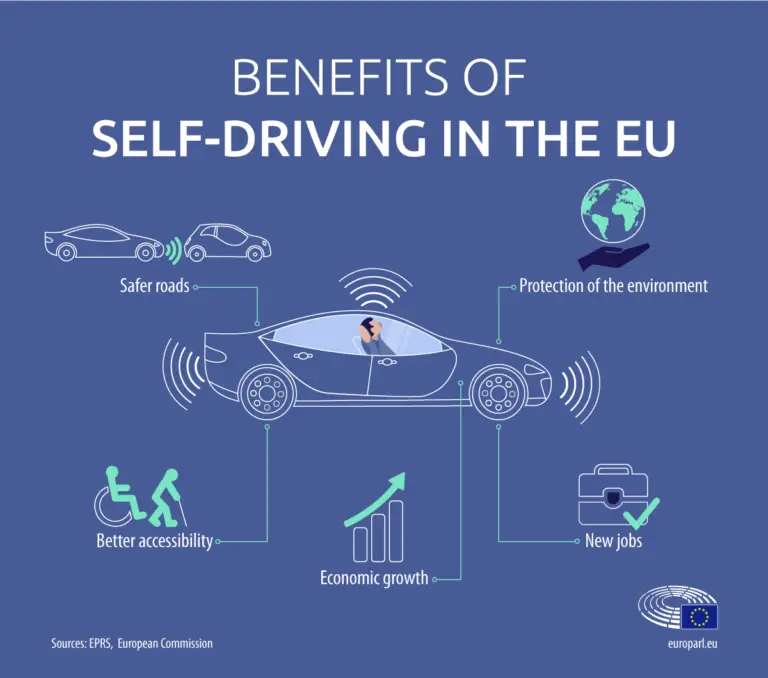
Autonomous Cars 2026 mark a pivotal moment for the European automotive industry. After years of testing and regulatory hesitation, several European countries now allow Level 3 autonomous systems to operate…