

A strategic move into the AI-driven future
The announcement from BMW Group regarding a new $300 million investment fund dedicated to artificial intelligence startups is not just a financial decision.
It is a structural one.
Through its venture capital arm, BMW i Ventures, the company is expanding its long-term strategy beyond vehicles and into the core technologies that will define mobility in the next decade.
This is not about funding innovation from the outside.
It is about positioning BMW inside the ecosystem that will shape it.
Why BMW is investing in AI now
Artificial intelligence is no longer a future concept in the automotive industry. It is already embedded in:
- driver assistance systems
- manufacturing processes
- software development
- vehicle connectivity
However, what is changing is the scale.
AI is moving from isolated features to system-level integration.
This includes:
- autonomous driving development
- predictive maintenance
- intelligent production systems
- real-time data processing
BMW’s investment signals that the company understands a key reality:
👉 future competitiveness will depend more on software and AI than on mechanical engineering alone
The $300 million fund: structure and purpose
The newly announced fund represents a significant increase in BMW’s venture capital activity.
Key characteristics:
- total capital: $300 million
- focus: AI and deep tech startups
- global investment scope
- long-term strategic alignment with BMW operations
The goal is not only financial return.
It is:
- access to emerging technologies
- early integration of innovation
- strategic partnerships with startups
What kind of startups BMW is targeting
BMW i Ventures is not investing randomly.
The focus is on companies developing technologies in areas such as:
Artificial intelligence and machine learning
- advanced data processing
- predictive algorithms
- real-time decision systems
Autonomous systems
- perception software
- sensor fusion
- decision-making frameworks
Manufacturing optimization
- AI-driven production systems
- automation technologies
- quality control using machine learning
Digital platforms and software infrastructure
- cloud-based vehicle systems
- mobility platforms
- cybersecurity solutions
These areas represent the core building blocks of future vehicles.
From cars to software platforms
The automotive industry is undergoing a fundamental shift.
Traditionally, value was created through:
- engine performance
- mechanical reliability
- physical design
Now, value is increasingly defined by:
- software capabilities
- data processing
- digital ecosystems
BMW’s AI fund reflects this transition.
The company is no longer just building cars.
👉 It is building software-defined mobility platforms
The role of BMW i Ventures
BMW i Ventures has been active for several years, investing in startups across multiple sectors.
This new fund represents:
- expansion of existing strategy
- increased capital allocation
- stronger focus on AI-driven innovation
Unlike traditional corporate investments, venture capital allows BMW to:
- move faster
- take calculated risks
- access innovation early
Why startups matter more than ever
Large corporations face limitations:
- slower development cycles
- complex organizational structures
- risk-averse decision-making
Startups, on the other hand, offer:
- speed
- flexibility
- focus on specific problems
By investing in startups, BMW gains:
- access to cutting-edge ideas
- faster innovation cycles
- external perspectives
This combination is critical in an industry that is evolving rapidly.
Competition in AI investment
BMW is not alone in this strategy.
Other major players are also investing heavily in AI:
- Tesla focuses on in-house AI development
- Volkswagen Group invests in software platforms
- Mercedes-Benz develops autonomous systems
The difference lies in approach.
BMW is combining:
- internal development
- external investment
This hybrid strategy allows for both control and flexibility.
Real-world impact: where AI will be used
The technologies supported by this fund will likely influence multiple areas:
Vehicle development
- smarter design processes
- simulation-based engineering
- faster prototyping
Driving experience
- advanced driver assistance
- adaptive vehicle behavior
- personalized settings
Manufacturing
- predictive maintenance
- automated quality control
- optimized production lines
Customer interaction
- AI-powered services
- digital assistants
- data-driven personalization
Long-term vision: beyond the car
The most important aspect of this investment is not immediate impact.
It is long-term positioning.
BMW is preparing for a future where:
- vehicles are connected platforms
- software updates define performance
- AI systems continuously improve functionality
This changes the role of the car entirely.
It becomes:
👉 part of a larger digital ecosystem
Risks and challenges
Investing in AI startups is not without risk.
Key challenges include:
- high failure rate of startups
- rapid technological change
- integration complexity
However, the alternative—doing nothing—is riskier.
Companies that fail to adapt risk losing relevance.
Why this matters for the industry
BMW’s move signals a broader shift:
👉 automotive companies are becoming technology companies
This transformation includes:
- new business models
- new partnerships
- new skill requirements
The industry is no longer defined only by manufacturing.
It is defined by innovation ecosystems.
Conclusion
The $300 million AI fund launched by BMW i Ventures is more than an investment.
It is a strategic step toward the future of mobility.
By focusing on:
- artificial intelligence
- startup collaboration
- long-term innovation
BMW positions itself not just as a car manufacturer, but as a participant in the global technology landscape.
This is not about the next model.
It is about the next decade.
Source: BMW i Ventures anunță un fond de 300 de milioane de dolari pentru a sprijini start-upurile AI care remodelează ecosistemul auto
✍️ Author: Bejenaru Alexandru Ionut – [email protected]
🔗 Internal link: https://diagnozabam.ro/sfaturi
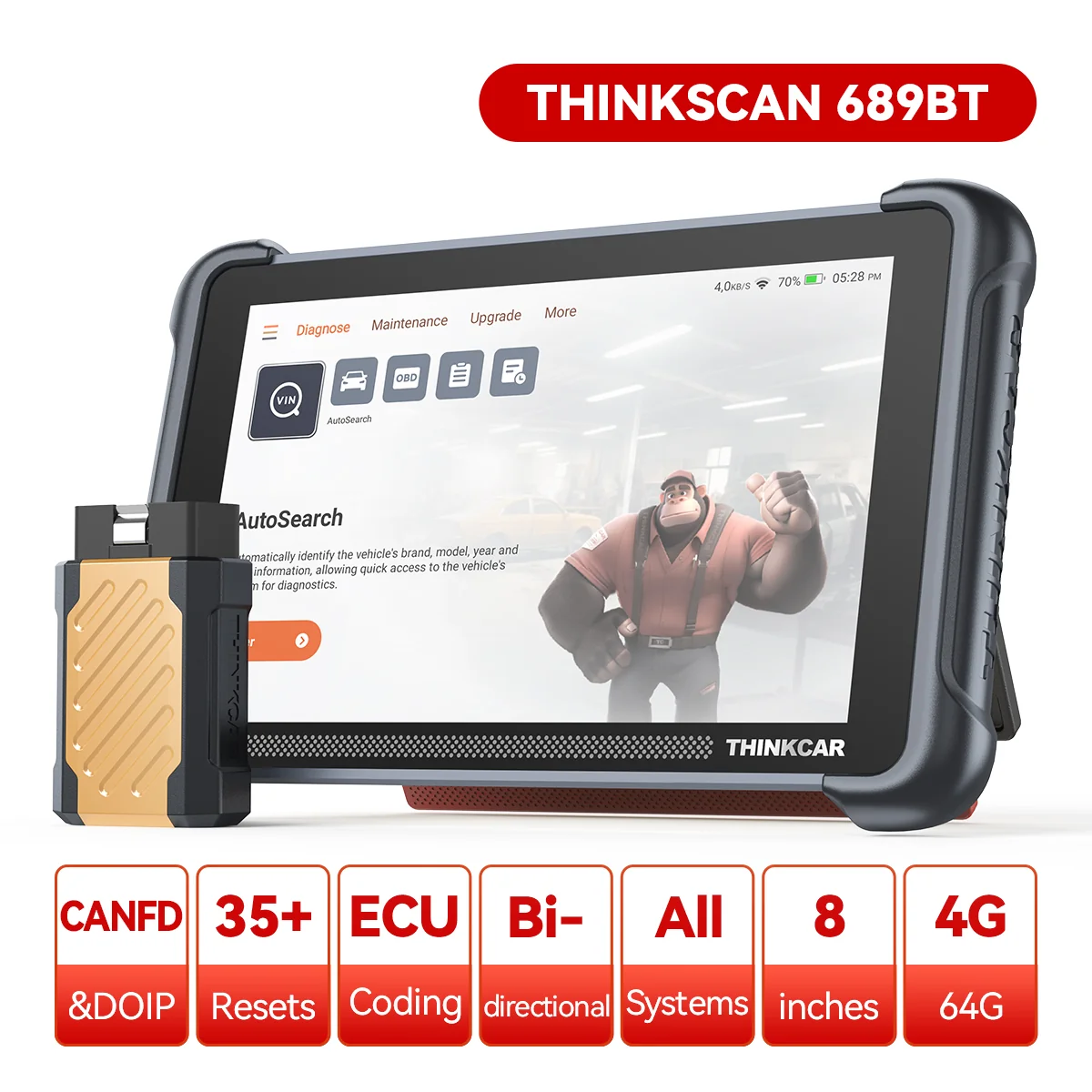
Recommendation: Looking for a professional bi-directional diagnostic tool with full system coverage? Use code DIAGNOZABAM for 10% off.
Transparency note: Affiliate link. Purchasing through it costs you nothing extra. View Thinkcar Deal →
