
P0471 Diagnostic Code Guide: Exhaust Pressure Sensor Range/Performance Diagnosis and Repair
Introduction: Understanding the Out-of-Range Exhaust Signal
Modern engine management software relies on a continuous stream of data from specialized sensors to maintain emissions compliance, protect exhaust system components, and optimize forced-induction performance. When an anomaly occurs within these control loops, the engine control module (ECM/PCM) triggers a specific diagnostic trouble code (DTC).
The P0471 diagnostic code guide addresses a highly common fault: Exhaust Pressure Sensor “A” Range/Performance. This code indicates that while the sensor circuit is still electrically connected and transmitting data, the actual pressure signal received by the computer is illogical, unrealistic, or completely out of range compared to expected engine operating parameters. This guide breaks down the underlying mechanical causes, typical symptoms, and step-by-step diagnostic workflows required to resolve this error.
Cum să previi și să rezolvi problema DPF înfundat la mașinile diesel – Soluții și simptome
Technical Specifications: Sensor Function and Code Definitions
The exhaust pressure sensor monitors the exhaust gas backpressure before it passes through downstream components like the turbocharger or emissions filters. The computer uses these readings to adjust several key engine operations:
               [EXHAUST PRESSURE SENSOR CONTROL LOOP]
                                 |
       +-------------------------+-------------------------+
       |                         |                         |
[DPF REGENERATION]        [EGR VALVING MATRIX]     [TURBOCHARGER BOOST]
 Monitors soot load        Controls exhaust gas      Optimizes variable-geometry
 levels inside filter.  recirculation flow.  vane positioning.
To accurately troubleshoot the system, it helps to understand how P0471 differs from other closely related exhaust pressure sensor codes:
De ce NU trebuie să calci ambreiajul când frânezi? Greșeala care îți poate distruge mașina 🚗💥
| Diagnostic Trouble Code | Formal Automotive Definition | Core Functional Difference from P0471 |
| P0470 | Exhaust Pressure Sensor “A” Circuit Malfunction | Indicates a total circuit failure or an unstable, broken signal line. |
| P0471 | Exhaust Pressure Sensor “A” Range/Performance | The signal is consistently active but transmits illogical or out-of-range pressure data. |
| P0472 | Exhaust Pressure Sensor “A” Low Input | Signal voltage drops entirely below the minimum allowable threshold. |
| P0473 | Exhaust Pressure Sensor “A” High Input | Signal voltage jumps completely above the maximum allowable threshold. |
| P0474 | Exhaust Pressure Sensor “A” Intermittent | The sensor signal cuts in and out erratically over short driving intervals. |
Primary Symptoms and Severity Breakdown
When a P0471 code triggers, the engine computer loses its ability to calculate precise exhaust backpressure, causing it to default to safe operating maps to protect the hardware.
[P0471 Triggered] --> Limp Mode Activation --> Restricted RPM & Target Boost Levels
Drivers will typically notice several common performance issues:
-
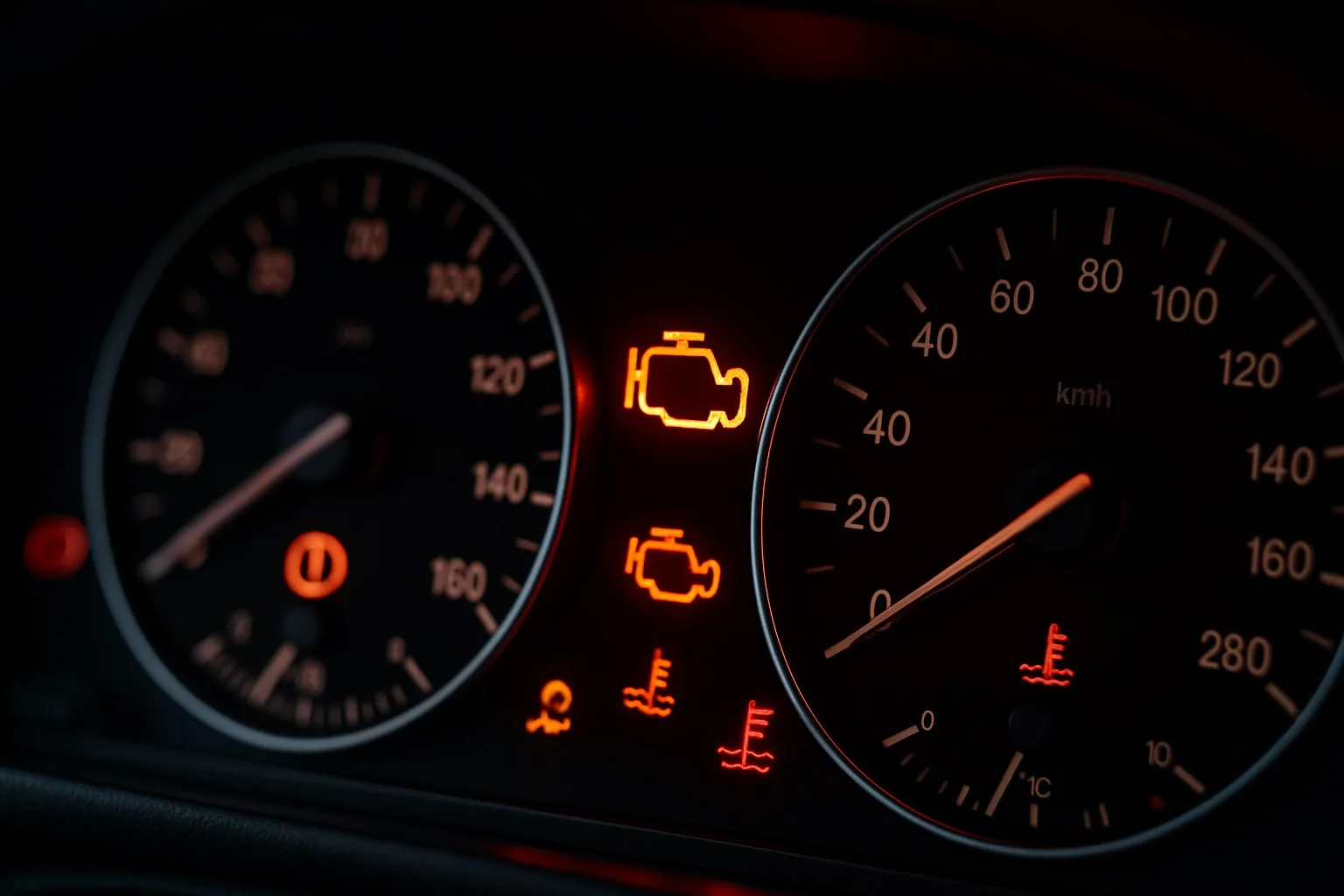
Check Engine Light: Immediate dashboard illumination.
-
Limp Mode Activation: The engine computer restricts engine speed and available power to prevent high exhaust temperatures.
-
Poor Fuel Economy: Inefficient fuel combustion and frequent, unneeded diesel particulate filter (DPF) regeneration cycles.
-
Engine Hesitation: Noticeable flat spots or stumbling under heavy acceleration or load.
-
Turbocharger Lag Metrics: Sluggish throttle response because the variable-geometry turbo cannot properly adjust its vanes.
Root Causes: Mechanical Blockages vs. Electrical Failures
A common misconception is that a P0471 code points directly to a failed engine control computer. In reality, PCM hardware failures are rare. The vast majority of P0471 codes stem from simple carbon buildup or physical exhaust leaks.
1. Mechanical Blockages (Most Common)
Because the sensor is exposed directly to hot exhaust gases, carbon soot can quickly collect inside the narrow metal line connecting the sensor to the exhaust manifold. This sensor line blockage traps pressure inside the tube, giving the sensor a frozen or completely unrealistic reading.
2. DPF Degradation and Leaks
On diesel applications, a severely clogged or failed DPF causes excessive exhaust backpressure. Conversely, any physical exhaust system leaks located before the sensor will vent pressure into the atmosphere, causing an abnormally low pressure reading that easily triggers the code.
Step-by-Step Diagnostic Workflow
To pinpoint the root cause without needlessly replacing good components, technicians follow a logical diagnostic progression from simple visual checks to live data analysis.
[Scan & Confirm] ➔ [Visual Check] ➔ [Exhaust Leak Test] ➔ [Live Data Analysis] ➔ [Voltage Test]
Step 1: Scan and Confirm Fault Data
Connect a vehicle diagnostic scanner to verify that the P0471 code is active or securely stored in the memory history. Check for any accompanying codes (such as P0470 or emissions-related codes) and pull the freeze-frame data to see exactly what the engine speed and load conditions were when the fault occurred.
Intel vs. TSMC – Rivalitatea continuă cu noile tehnologii 18A și N2
Step 2: Visual Inspection and Leak Test
Visually check the pressure sensor, its wiring harness, and the connecting tube or hoses. Look for obvious issues like cracks, heat damage from the exhaust, loose mounting brackets, or heavy oil contamination. Inspect the entire exhaust path between the engine and the sensor to ensure no raw exhaust gas is escaping through cracks or blown gaskets.
Step 3: Live Data Streaming and Validation
Turn the ignition key on with the engine off (KOEO). Using your scan tool, pull up the live data stream for the exhaust pressure sensor:
-
Normal Engine Off Reading: The sensor value should closely match local barometric pressure (roughly 14.7 psi or 1 bar at sea level).
-
Normal Engine Idling Reading: Start the engine; the pressure reading should register a stable, low pressure value.
-
Normal Acceleration Reading: Press the accelerator pedal; the live pressure value should climb smoothly and steadily as engine load increases.
-
Faulty Reading Profile: If the pressure value stays completely frozen, jumps erratically, or fails to react to engine load, the sensor diaphragm is either internally damaged or the metal feed line is completely plugged with carbon.
Mitsubishi își păstrează independența: Nu se va alătura alianței Honda-Nissan
Step 4: Digital Multimeter Testing
Disconnect the electrical plug from the sensor and switch on the vehicle ignition. Using a digital multimeter, test the wiring harness pins to verify a clean 5-volt circuit reference voltage from the PCM, a solid ground connection, and proper continuity across the signal return line back to the computer.
Targeted Repair and Correction Steps
Once your diagnostic steps reveal the failure point, perform the corresponding repair step below to clear the code.
[Clean Clogged Tube] ➔ [Replace Damaged Sensor] ➔ [Forced DPF Regeneration] ➔ [Clear & Road Test]
1. Clean the Carbon-Blocked Sensor Tube
Remove the metal sensor line from the vehicle. Spray a generous amount of carbon-dissolving brake cleaner down the bore, and slide a stiff wire back and forth through the tube to break loose any hardened soot crusts. Blow the tube out thoroughly with compressed air before reinstalling it with fresh seals.
2. Replace the Exhaust Pressure Sensor
If the circuit wiring tests clean but the live data stream remains completely frozen after cleaning the feed line, replace the faulty sensor with a fresh unit. Tighten it to factory torque specs, plug in the electrical connector, and ensure the wiring harness is safely routed away from hot exhaust components.
3. Clear Codes and Perform Forced DPF Regeneration
If the root cause was a heavily soot-loaded particulate filter on a diesel engine, use an advanced scan tool to trigger a forced DPF regeneration. This commands the engine management software to raise exhaust temperatures, safely burning off trapped particulate matter and restoring proper system backpressure. Finally, clear the stored trouble codes and perform a comprehensive road test while monitoring live data to confirm the repair is successful.
Dacă aplici folie pe numărul de înmatriculare, scapi de rovinietă sau riști amendă?
Long-Term Driving Risks and Preventive Maintenance
While a vehicle showing a P0471 code remains physically drivable over very short distances, ignoring the fault long-term can lead to severe mechanical damage.
[Ignored P0471 Code] ➔ Incomplete DPF Regen Cycles ➔ Complete Particulate Filter Failure ➔ Extreme Repair Costs
On diesel platforms, driving with an incorrect backpressure signal prevents the computer from running automated filter cleanings, which can quickly ruin a costly DPF.
To keep the exhaust pressure sensor system working reliably, implement these straightforward preventive maintenance tips:
-
Avoid Frequent Short Trips: Ensure the vehicle regularly sees extended highway trips to allow the exhaust system to reach optimal temperatures, which naturally burns away soot before it blocks the sensor tubes.
-
Regular Tube Inspections: Remove and inspect the metal sensor line every 15,000 kilometers (or during every second oil change) to clean out early carbon deposits before they harden.
-
Proactive Particulate Filter Maintenance: Monitor DPF ash loads and perform professional filter cleanings every 100,000 to 160,000 kilometers to ensure optimal exhaust flow and minimal backpressure strain.
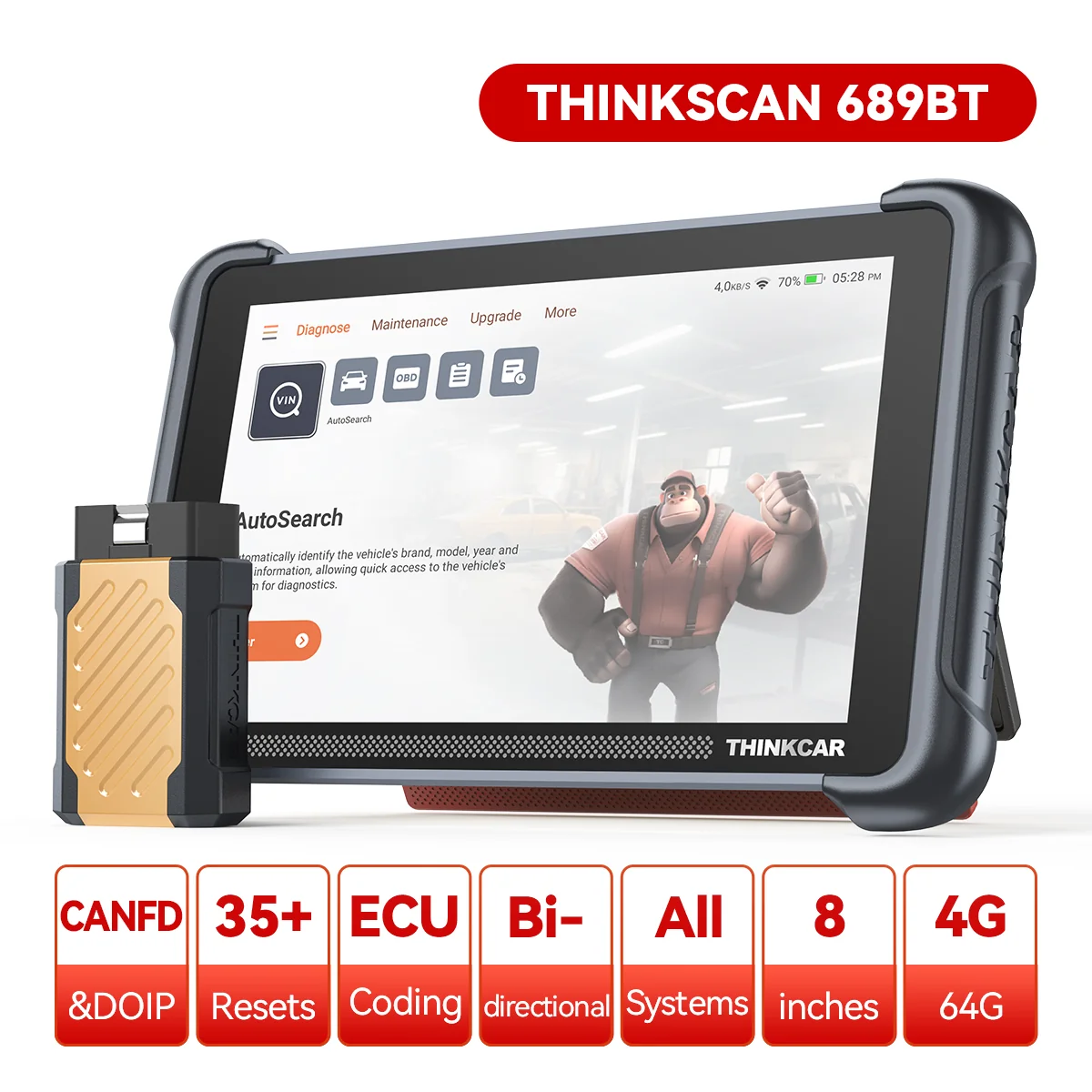
Hardware Recommendation: THINKCAR THINKSCAN 689BT
When troubleshooting complex range and performance faults like the P0471 exhaust pressure error, basic code readers often fall short because they cannot track live data over time. For technicians and DIY enthusiasts who require an efficient, cost-effective tool to monitor system telemetry without investing in a full-tier shop console, the THINKCAR THINKSCAN 689BT serves as a highly capable diagnostic solution.
                    [THINKCAR THINKSCAN 689BT CORE MATRIX]
                                    |
         +--------------------------+--------------------------+
         |                                                     |
[EXPANDED OBD2 DIAGNOSTICS]                           [SPECIALIZED SERVICE RESETS]
  * Real-Time Live Data Graphing                        * Forced DPF Regeneration Matrix
  * Freeze-Frame Data Capture                           * EPB & ABS Brake Caliper Bleeding
  * Multi-System Fault Scanning                         * SAS Steering Angle Calibration
1. Advanced Diagnostic Graphing for P0471 Resolution
As emphasized in the P0471 diagnostic protocol, identifying a frozen sensor diaphragm or a carbon-clogged feed line requires analyzing the sensor’s behavior under acceleration. The NT650 Elite excels here by offering real-time live data streaming and graphing. By plotting the exhaust gas backpressure curve directly against engine load, you can instantly observe whether the sensor is registering stable, logical pressure changes or remaining completely static.
2. Specialized Maintenance and Emissions Resets
Beyond standard code reading, this multi-application scanner integrates several dedicated maintenance service modules, making it an invaluable asset for deep mechanical overhauls:
-
Forced DPF Regeneration: Crucial for diesel vehicle maintenance, allowing you to command the engine control module to initiate a high-temperature filter cleaning cycle to resolve excessive backpressure faults.
-
Electronic Parking Brake (EPB) Service: Enables safe retraction of electronic rear brake calipers, allowing you to perform routine brake pad replacements and internal piston adjustments smoothly without damaging delicate actuator motors.
Supraproducția de Cipuri NAND Flash: Impactul Asupra Pieței de Stocare și Prețurilor
-
ABS and SRS Airbag Calibration: Provides deeper entry into specialized safety modules, allowing you to cycle internal anti-lock braking valves during fluid flushes and clear deep-seated system error codes.
-
Steering Angle Sensor (SAS) Reset: Calibrates the vehicle’s electronic steering gear tracking after completing suspension repairs or wheel alignment adjustments, ensuring optimal stability control performance.
Featuring an ergonomic, rugged layout built to withstand harsh garage conditions, free lifetime software updates, and wide vehicle compatibility spanning major European, Asian, and domestic platforms, the THINKCAR THINKSCAN 689BT represents a smart, highly reliable investment for managing advanced custom tuning projects and daily vehicle diagnostics alike.
✍️ Author: Bejenaru Alexandru Ionut – [email protected]
🔗 Internal link: https://diagnozabam.ro/sfaturi
Recommendation: Looking for a professional bi-directional diagnostic tool with full system coverage? Use code DIAGNOZABAM for 10% off.
Transparency note: Affiliate link. Purchasing through it costs you nothing extra. View Thinkcar Deal →