
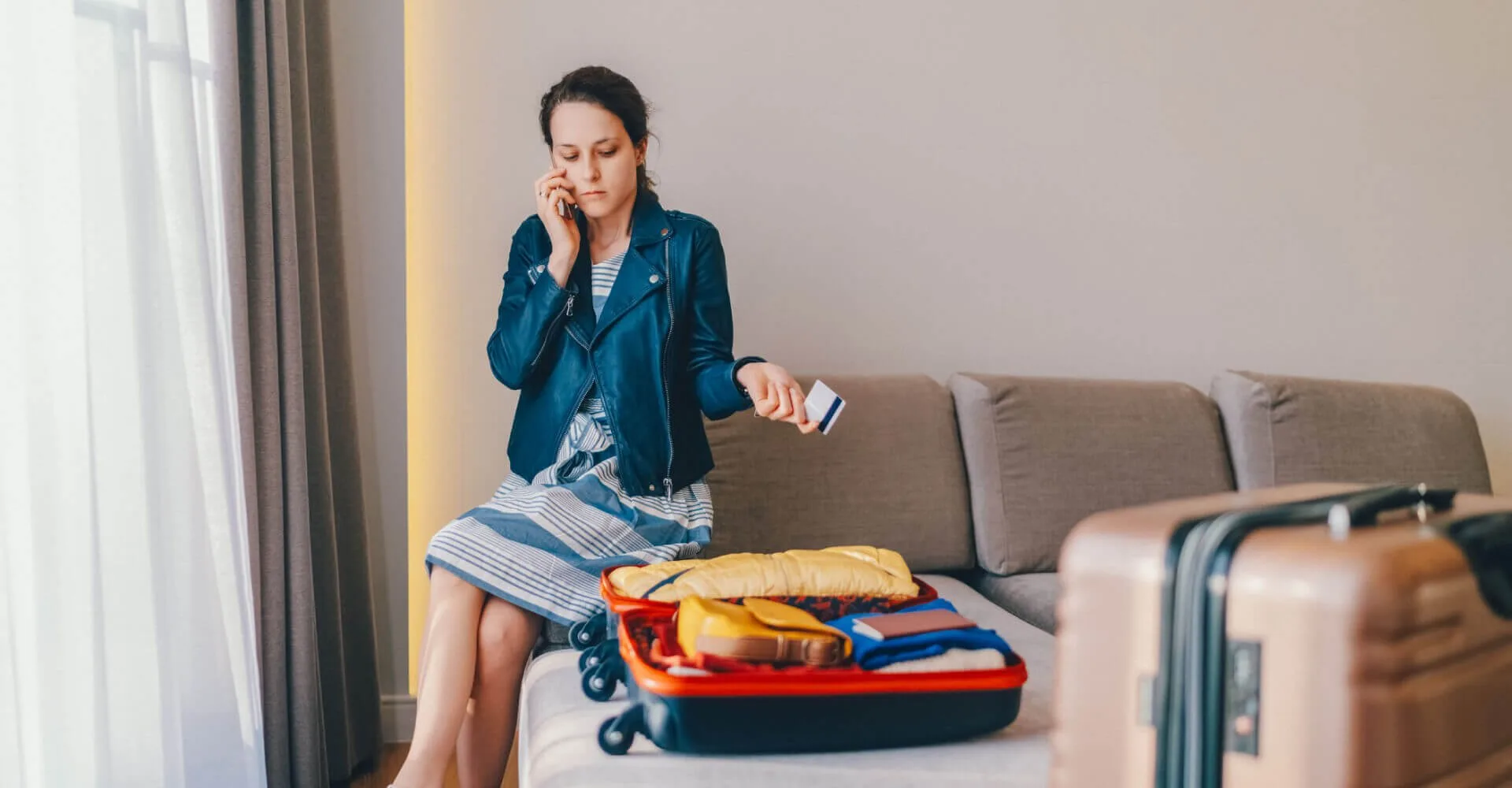
Spring break should be about beaches, parties, and stress-free travel. But for scammers, it’s one of the most profitable seasons of the year.
With millions of travelers moving quickly, booking last-minute deals, and relying on their phones for everything, criminals have the perfect environment to exploit urgency, distraction, and trust.
Travel experts estimate a 10% increase in scams during spring break, targeting everything from bookings to payments and personal data.
Here are the 7 most common spring break scams and how to avoid them.
1. Fake Vacation Rentals
One of the most damaging scams — and it happens before you even leave home.
Scammers post attractive listings with:
- unrealistically low prices
- high-quality photos (often stolen)
- urgent booking pressure
Once you send the deposit, the listing disappears.
Red flags:
- “Pay now or lose the deal”
- payment outside official platforms
- no verifiable reviews
How to avoid it:
Always book through trusted platforms and never send money via wire transfer or gift cards.
2. Fake Hotel Front Desk Calls
After check-in, you receive a call:
“Hi, this is the front desk. There’s an issue with your card.”
They sound professional. Calm. Convincing.
But they’re not hotel staff.
They are harvesting your card details in real time.
How to avoid it:
Never give card details over the phone. Hang up and call the hotel directly.
3. “You Won a Free Trip” Scams
If you didn’t enter a contest, you didn’t win.
These scams often include:
- “processing fees”
- mandatory payments
- hidden conditions (like timeshare presentations)
Reality:
You either lose money or end up in a sales trap.
Rule:
A real prize is always free.
4. Fake Booking Websites
Some of the most advanced scams today.
Criminals create clone websites that look identical to real travel platforms.
Example:
- expediia instead of expedia
Everything looks legit — until your payment is stolen.
How to avoid it:
- check the URL carefully
- look for HTTPS
- never click booking links from emails or SMS
5. QR Code & Phishing Attacks
Modern scams use:
- QR codes in public places
- fake flight alerts via SMS
- urgent emails
These tricks are designed to make you act fast without thinking.
Goal:
Steal login credentials, banking data, or install malware.
How to stay safe:
Never scan random QR codes. Always access services manually.
6. Credit Card Skimming
Common in:
- ATMs
- gas stations
- crowded nightlife areas
Skimmers copy your card data without you noticing.
Combined with shoulder surfing, this becomes extremely effective.
Protection tips:
- use ATMs inside banks
- cover the keypad
- monitor transactions daily
7. Fake VIP Access
A classic street scam.
Someone offers:
- skip-the-line access
- VIP wristbands
- exclusive entry
You pay cash.
They disappear.
Reality:
No entry. No refund.
Rule:
If it’s not official, it’s a scam.
How to Avoid Spring Break Scams
Simple habits make a huge difference:
- Book only from trusted platforms
- Use credit cards (not debit)
- Avoid public WiFi for payments
- Enable banking alerts
- Use cybersecurity protection
What to Do If You Get Scammed
Act fast:
- Contact your bank immediately
- Freeze your card
- Change passwords
- Report the scam
- Notify the platform
Final Thoughts
Spring break should create memories, not problems.
Most scams rely on one thing: you rushing decisions.
Slow down, verify everything, and you’ll avoid 99% of them.
Source: Planning a spring break trip? Don’t fall for these 7 travel scams
✍️ Author: Bejenaru Alexandru Ionut – [email protected]
🔗 Internal link: https://diagnozabam.ro/sfaturi
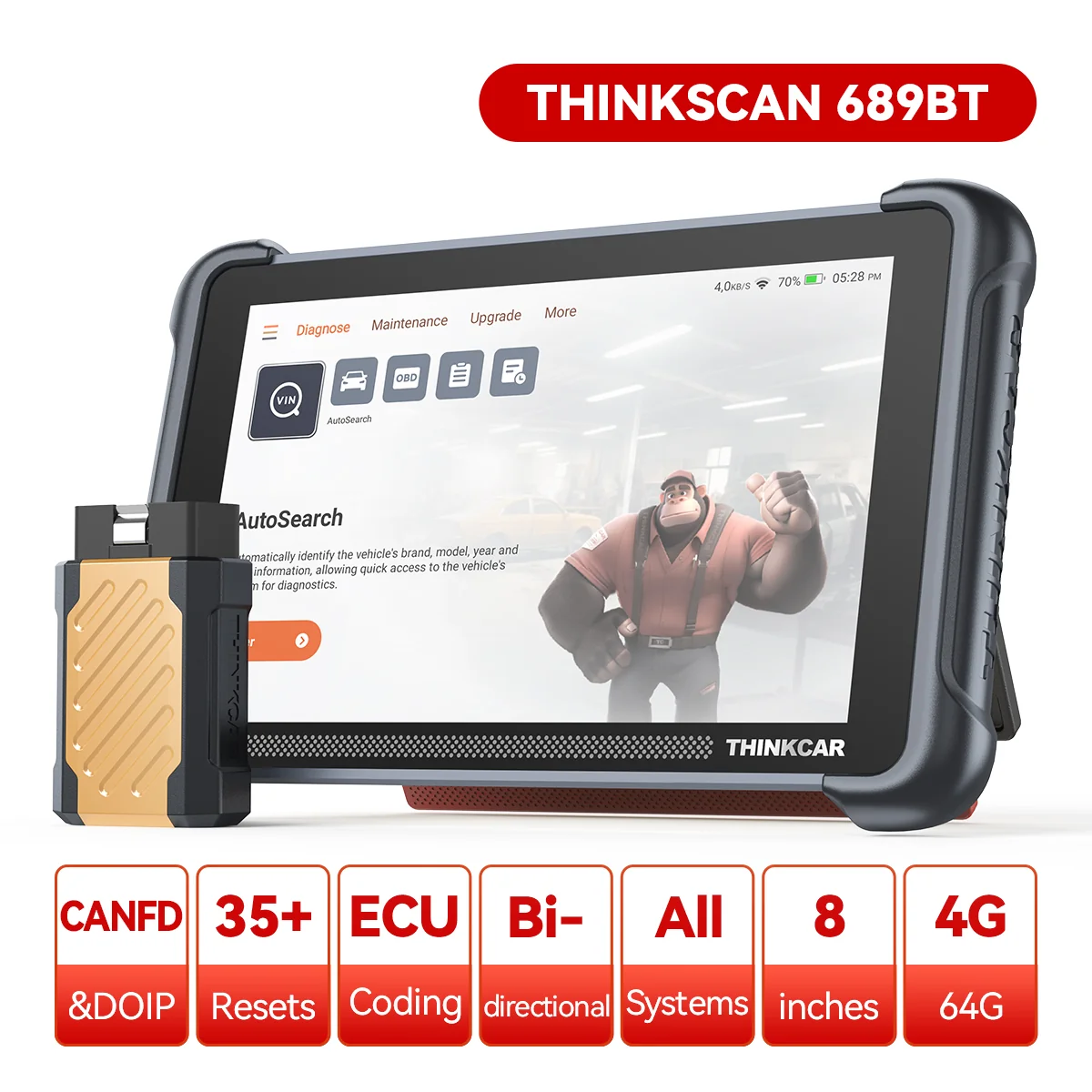
Recommendation: Looking for a professional bi-directional diagnostic tool with full system coverage? Use code DIAGNOZABAM for 10% off.
Transparency note: Affiliate link. Purchasing through it costs you nothing extra. View Thinkcar Deal →