How to Clean Dirty Fuel Injectors: Symptoms, Technical Causes, and Best Fixes Explained
Introduction: The Critical Role of Fuel Atomization
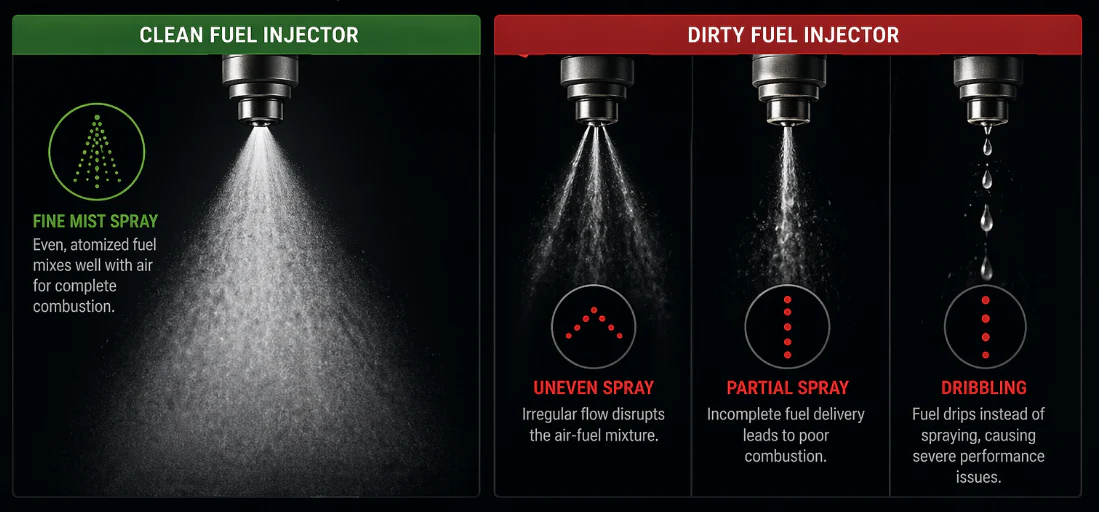
In modern internal combustion engines, fuel injectors are high-precision components engineered to operate under intense thermal stress and extreme hydraulic pressure. Their primary mechanical objective is not simply to dump raw fuel into the combustion chamber, but to deliver a highly metered, perfectly timed, and completely atomized mist. When an injector functions optimally, the fuel droplets are microscopic, allowing for an ideal air-fuel mixture that ignites completely and efficiently.
       [ Clean Fuel Injector ]                  [ Contaminated Fuel Injector ]
                 │                                              │
     (Perfect Cone Atomization)                    (Disrupted Stream / Droplets)
                 │                                              │
                 ▼                                              ▼
   • Complete Chemical Combustion                 • Incomplete Thermal Combustion
   • Maximum Engine Efficiency                    • Elevated Carbon Particulates
   • Stable Linear Power Band                     • Severe Performance Degradation
   • Reduced Emission Profile                     • Skyrocketing Fuel Consumption
Over operational lifecycles, fuel injectors inevitably accumulate carbon crusts, chemical varnishes, and environmental debris. When this occurs, the geometric profile of the spray nozzle is altered.
Instead of generating a uniform mist cone, the compromised injector squirts erratic fluid streams or heavy fuel droplets. This poor atomization leads directly to delayed ignition, incomplete combustion, accelerated oil dilution, and a noticeable loss of power.
Common Symptoms of Contaminated Fuel Injectors
When fuel delivery is compromised, the vehicle’s electronic control framework attempts to compensate, creating a series of distinct mechanical and electrical warning signs. Technicians typically observe these symptoms developing in a predictable sequence:
1. Rough Idling and Bouncing RPM
A stable engine idle relies on perfectly balanced power output across all cylinders. When a specific nozzle suffers from minor carbon buildup, its restricted flow causes a cylinder power imbalance. The driver will experience a shaking chassis, cabin vibrations, and an unstable tachometer needle at a stop.
2. Engine Misfires, Hesitation, and Power Sputtering
As internal deposits worsen, fuel starvation occurs within the combustion chamber under load. When attempting to accelerate, the cylinder fails to fire correctly, leading to prominent engine misfires, structural flat-spots during acceleration, and rapid powertrain shuddering.
3. Sharp Drop in Fuel Economy (MPG)
It seems counterintuitive that a restricted injector would burn more fuel, but the phenomenon is driven by systemic feedback loops. When poor atomization causes incomplete combustion, the oxygen sensors detect excess unburned oxygen in the exhaust. The engine control unit (ECU) misinterprets this as a lean condition and commands all remaining cylinders to inject additional fuel, drastically dropping overall vehicle efficiency.
4. Hard Cold Starts and Extended Cranking
An engine requires an enriched, highly volatile air-fuel ratio to catch fire when cold. Clogged or sticky internal injector pintles cannot react fast enough to initial starter engagement, forcing the vehicle to experience extended cranking times before ignition occurs.
The Diagnostics Matrix: Deciphering Injector Fault Profiles
To establish a clear diagnostic path before tearing down an engine, use this structural symptom checklist to evaluate severity levels and likely underlying causes:
| Observed Symptom | System Severity Level | Primary Mechanical or Chemical Root Cause |
| Rough Engine Idle | Low / Initial Stage | Minor carbon varnish on the nozzle ring restricting spray angle |
| Drastic Drop in MPG | Medium / Progressive | Inefficient fuel atomization forcing ECU rich-mixture corrections |
| Cylinder Misfire Event | Medium to High | Major internal restriction preventing sufficient fuel mass delivery |
| Check Engine Light (CEL) | Medium to High | Active codes (P0300–P0308, P0171) from lean running states |
| Extended Cold Crank | High / Severe Clogging | Stuck pintle mechanism or heavy carbon crust blocking the tip |
| Raw Fuel Odor Presence | Critical Hazard Status | Damaged internal spring or debris holding the needle seat wide open |
What Causes Fuel Injectors to Get Dirty?
Fuel injectors operate in an incredibly harsh environment, exposed to the intense heat of the combustion chamber while processing fluctuating fuel qualities. Contamination occurs through several specific mechanisms:
                      [ Fuel Injector Contamination Vectors ]
                                         │
       ┌─────────────────────────────────┼─────────────────────────────────┐
       ▼                                 ▼                                 ▼
 [ Fuel Heat Soak ]            [ Fuel Infrastructure ]           [ Combustion Blow-By ]
 • Engine Shut-Down Soak        • Low-Detergent Gas               • Recirculated PCV Gases
 • Fuel Vaporization            • High-Ethanol Moisture           • Baked-On Varnish Layers
 • Olefin Carbon Baking         • Particulate Filter Leaks        • Internal Pintle Binding
-
Fuel Heat Soak (The Primary Culprit): When you turn off a hot engine, the cooling system stops circulating fluid. The temperature under the hood spikes, causing residual fuel trapped inside the injector tip to boil off instantly. As it evaporates, it leaves behind waxy olefins that bake into a rock-hard carbon varnish.
Vaporii de benzină îți poluează mașina? Află cum funcționează EVAP!
-
Low-Detergent Fuel Choices: Cheap, unbranded fuels often lack the robust deposit-control additives found in high-grade fuels. Without these active detergents, carbon deposits quickly accumulate on the exterior injector face.
-
Ethanol Blends and Internal Moisture: Modern pump fuels containing high percentages of ethanol (E10/E15) are naturally hygroscopic—they draw moisture out of the air. This water contamination leads to internal metal corrosion and forms a sticky, gelatinous sludge that binds the internal needle movement.
-
Crankcase Blow-By and PCV Recirculation: Particulate oil vapors routed back into the intake tract via the Positive Crankcase Ventilation (PCV) system wash over the engine valves and injector bodies, where they are continuously baked by cylinder heat into a thick carbon crust.
How to Clean Dirty Fuel Injectors: 3 Methods Compared
When dealing with contaminated fuel systems, technicians choose from three primary maintenance strategies based on the severity of the blockage.
                      [ Fuel Injector Remediation Strategies ]
                                         │
       ┌─────────────────────────────────┼─────────────────────────────────┐
       ▼                                 ▼                                 ▼
 [ In-Tank Chemical Pour ]      [ On-Car Pressurized Flush ]     [ Off-Car Bench Test/Clean ]
 • Best For: Prevention         • Best For: Moderate Idle Issues  • Best For: Heavy Clogging/Misfires
 • Efficiency: Minimal          • Efficiency: Intermediate        • Efficiency: Absolute Restoration
 • Tool: Gas Tank Additive      • Tool: Pressurized Canister      • Tool: Foxwell JT Series Machine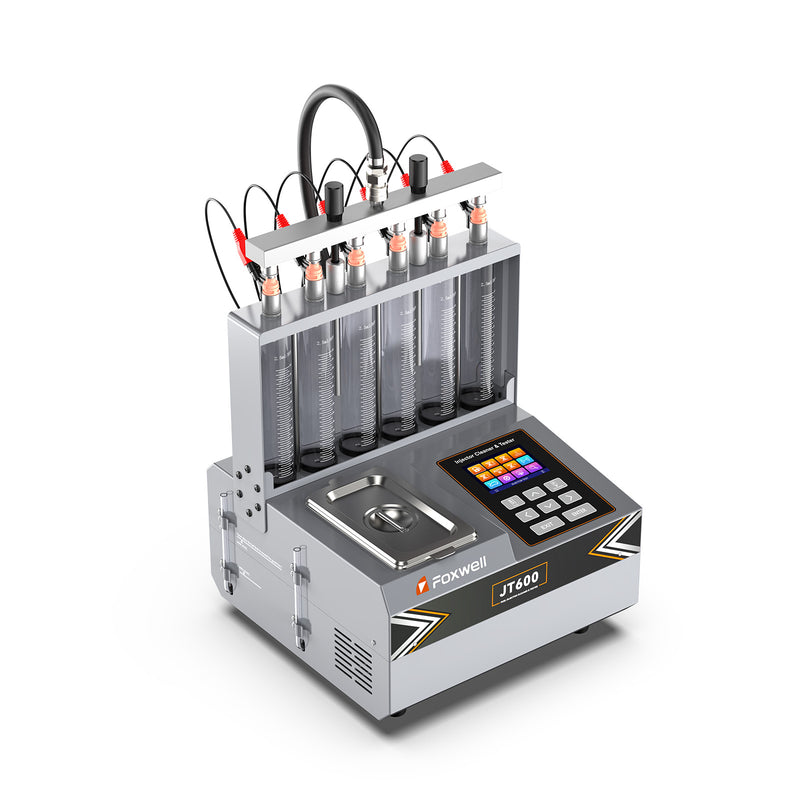
Method 1: In-Tank Chemical Fuel Additives
This preventative method involves pouring a detergent directly into the fuel tank. As the vehicle is driven, the chemistry washes over light deposits. While effective for maintaining clean lines, this method lacks the chemical concentration and high-pressure force required to clear severe, deeply baked-on carbon blockages.
Method 2: On-Car Pressurized Induction Flushing
A step up in capability, this method requires a technician to disconnect the vehicle’s fuel pump and run the engine entirely on a highly concentrated, pressurized canister of specialized solvent connected directly to the fuel rail. This provides a strong on-car chemical flush of the injectors and intake valves.
Method 3: Bench-Top Ultrasonic Cleaning and Diagnostic Machine Testing
The gold standard for fuel system restoration involves extracting the injectors from the engine bay and mounting them inside a dedicated workstation like a Foxwell fuel injector cleaning machine.
Vrei să cumperi o mașină SH? Asta e cea mai importantă verificare!
This specialized tool combines automated, heated ultrasonic tank treatment with active fluid back-flushing and computerized pressure testing. This approach is highly effective because it removes the guesswork, allowing you to see the exact results of the cleaning process in real-time.
Technical Solutions Comparison: Investment vs. Performance
To understand why a dedicated diagnostic machine provides the best long-term value compared to recurring shop visits or simple fuel additives, review the following capabilities matrix:
| Operational Parameter | Fuel Tank Additives | Professional Shop Induction | Foxwell JT Series Bench Testing |
| Buildup Capability | Light Preventive Maintenance Only | Moderate System Varnish Clearance | Deep Carbon and Heavy Solid Clog Breakdown |
| Spray Pattern Inspection | Completely Blind Operation | Completely Blind Operation | Direct Visual Validation in Glass Tubes |
| Cylinder-to-Cylinder Comparison | Impossible to Measure | Impossible to Measure | Precision Volumetric Flow Balance Matching |
| Pintle Leakage Verification | Unverified | Unverified | Automated Static Fluid Pressure Test |
| Component Ultrasonic Treatment | No Physical Capability | No Physical Capability | Integrated 40kHz Heated Ultrasonic Bath |
| Long-Term Cost Profile | Continuous Recurring Expense | Expensive Single-Visit Labor Rates | High Initial ROI / One-Time Asset Purchase |
Beyond the Surface: When Cleaning Fails
A critical mistake made by many mechanics is assuming that every fuel delivery issue is caused by simple dirt accumulation. Cleaning a fuel injector will only resolve issues stemming from carbon restrictions. If an injector has suffered an internal electrical or mechanical failure, no amount of chemical cleaning will fix it:
-
Solenoid Windings Failure: The internal electromagnetic coil can develop short circuits or open loops due to age and thermal stress. When this occurs, the ECU cannot trigger the injector to open.
-
Internal Mechanical Fatigue: The internal return spring can lose tension over millions of cycles, causing the needle valve to lag or fail to snap shut properly, which results in continuous fuel dripping.
-
Physical Micro-Nozzle Erosion: High-pressure fuel flow over hundreds of thousands of kilometers can physically erode and deform the tiny spray orifices, permanently destroying the spray pattern geometry.
 [ Injector Pulled & Cleaned ] ──► [ Mounted in Foxwell Bench Tester ]
                                                │
                ┌───────────────────────────────┴───────────────────────────────┐
                ▼                                                               ▼
     [ Automated Flow Test ]                                         [ Static Leak Test ]
     - Measures delivery volume per cylinder.                        - Holds lines at high pressure.
     - Identifies restricted or weak flow.                          - Catches dripping or stuck nozzles.
                │                                                               │
                ▼                                                               ▼
   (Result A: Perfect Fluid Balance)                             (Result B: Mismatched Volumes)
   -> System is clean; look for ignition issues.                  -> Internal component damage; replace unit.
This structural evaluation highlights why professional setups like the Foxwell JT200, JT400, or JT600 are so valuable. By executing an automated flow test and static leak test, they remove the guesswork, saving time and money by preventing you from reinstalling a broken component.
Step-by-Step Overview: Working with a Professional Testing Machine
When using a professional tool like the Foxwell JT200 fuel injector tester & cleaning kit, the restoration process follows a specific, methodical sequence to achieve maximum precision:
-
Extraction and Initial Inspection: The fuel rail is depressurized, and the fuel injectors are removed from the intake manifold. Inspect the exterior body for signs of cracked plastic or damaged pintle caps.
-
Heated Ultrasonic Treatment: The injectors are placed into an integrated, heated ultrasonic bath filled with specialized cleaning fluid. The machine sends high-frequency sound waves through the fluid while pulsing the injector solenoids electronically, breaking down heavy carbon deposits from the inside out.
-
Automated Volumetric Flow Testing: The injectors are then mounted onto the machine’s testing rail. The system pumps diagnostic fluid through them into graduated glass cylinders, measuring their output across simulated RPM ranges to check for a uniform spray pattern and balanced flow volumes across all units.
-
Static Leak and Pressure Hold Testing: The machine cranks the system pressure up to maximum operating specifications while keeping the injectors closed. Technicians observe the nozzle tips to verify that no fluid leaks or drips, ensuring a tight seal when the engine is running.
-
Reinstallation with New Seals: Once performance is verified, the injectors receive new viton O-rings and crush seals before being reinstalled into the clean fuel rail.
Sistemul de aer secundar: Funcționare, Defecțiuni și Diagnosticare
Final Verdict: Selecting Your Maintenance Tier
Maintaining a clean fuel system requires choosing the right tool for your specific situation:
                            [ Maintenance Strategy Matrix ]
                                           │
         ┌─────────────────────────────────┼─────────────────────────────────┐
         ▼                                 ▼                                 ▼
  [ Preventive Care ]              [ Light Drivability Fix ]         [ Fleet & DIY Mastery ]
  • Gas Tank Additive              • Professional Induction Flush     • Foxwell JT Series Machine
  • Use Every 5,000 km             • Resolves Light Rough Idles      • Complete Diagnostics & Wash
  • Keeps Lines Clear              • Restores Lost Engine MPG        • Visual Flow & Spray Verification
-
The Fleet Owner & Serious DIYer Solution: For those managing multiple vehicles or looking to avoid repeated diagnostic fees, a dedicated setup like the Foxwell JT200 or JT600 pays for itself quickly. It transforms fuel system maintenance from guesswork into a precise, visual diagnostic process.
-
The Routine Maintenance Solution: If your vehicle runs smoothly and you simply want to keep performance high, adding a quality detergent to your fuel tank every 5,000 kilometers is an effective preventative step.
-
The Intermediate Service Solution: If you are dealing with a mild rough idle or a recent drop in fuel efficiency, a professional pressurized induction flush can help clear mid-level deposits without needing a full engine teardown.
Source:How to Clean Dirty Fuel Injectors
✍️ Author: Bejenaru Alexandru Ionut – [email protected]
🔗 Internal link: https://diagnozabam.ro/sfaturi
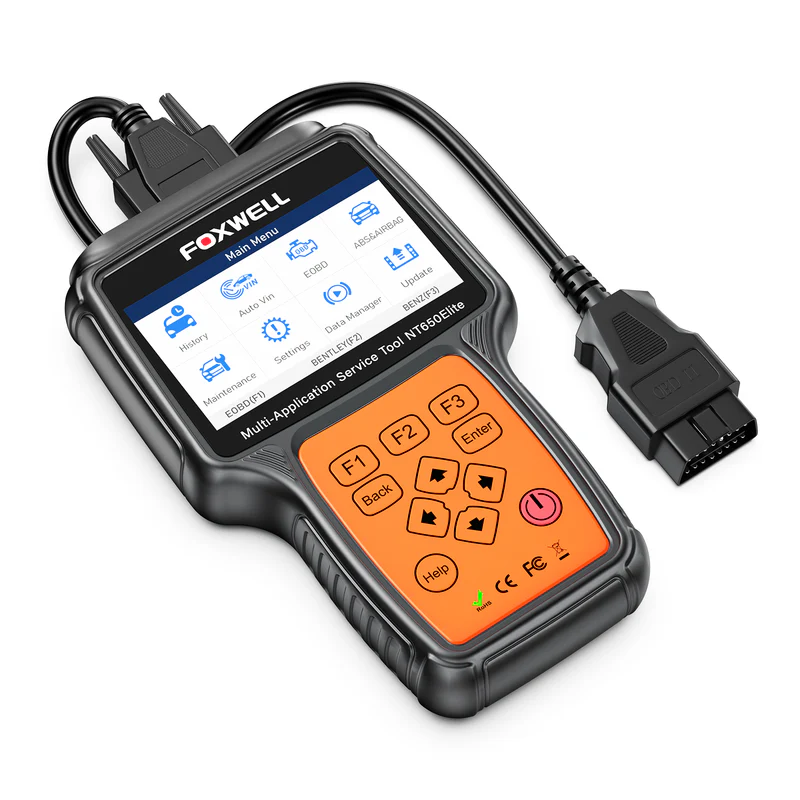
Need a dedicated scanner for frequent service resets, EPB, ABS, Airbag, and steering angle calibrations?
🔗 Affiliate link — we may earn a commission, at no extra cost to you.
Searching for a rugged, handheld scanner covering the 4 vital systems with worldwide vehicle coverage?