

Supernova explosions 2026 became a major milestone in astronomy after next-generation telescopes captured rare and complex stellar deaths in unprecedented detail. These were not ordinary explosions, but events that challenged existing astrophysical models.
For the first time, astronomers analyzed supernovae across multiple wavelengths simultaneously, opening a new era in stellar research.
What makes a supernova so important
A supernova marks the violent end of a massive star or the destruction of a white dwarf. These explosions:
-
forge heavy elements
-
shape galaxies
-
trigger star formation
-
influence planetary environments
The supernova explosions 2026 stood out due to their unusual energy patterns and structures.
What telescopes observed in 2026
James Webb Space Telescope
JWST detected:
-
asymmetric shock waves
-
early dust formation
-
directional energy jets
Hubble Space Telescope
Hubble recorded:
-
irregular brightness fluctuations
-
multi-stage explosion signatures
X-ray Observatories
X-ray data revealed:
-
extreme magnetic fields
-
early magnetar formation
Why scientists were surprised
Several 2026 supernovae did not fit known categories. Some exploded faster, others emitted energy longer than expected, forcing scientists to reconsider stellar evolution theories.
Supernovae and the origin of life
Elements essential for life originate from stellar explosions. The supernova explosions 2026 renewed debates about how cosmic events influence habitable zones across galaxies.
Scientific impact
These discoveries are reshaping:
-
supernova classification systems
-
galaxy evolution models
-
understanding of extreme cosmic physics
Conclusion
Supernova explosions 2026 proved that the Universe still holds surprises. What telescopes observed suggests stellar death is far more complex than previously believed, pushing astronomy into a new discovery phase.
External link: https://www.nasa.gov
✍️ Author: Bejenaru Alexandru Ionut – [email protected]
🔗 Internal link: https://diagnozabam.ro/sfaturi
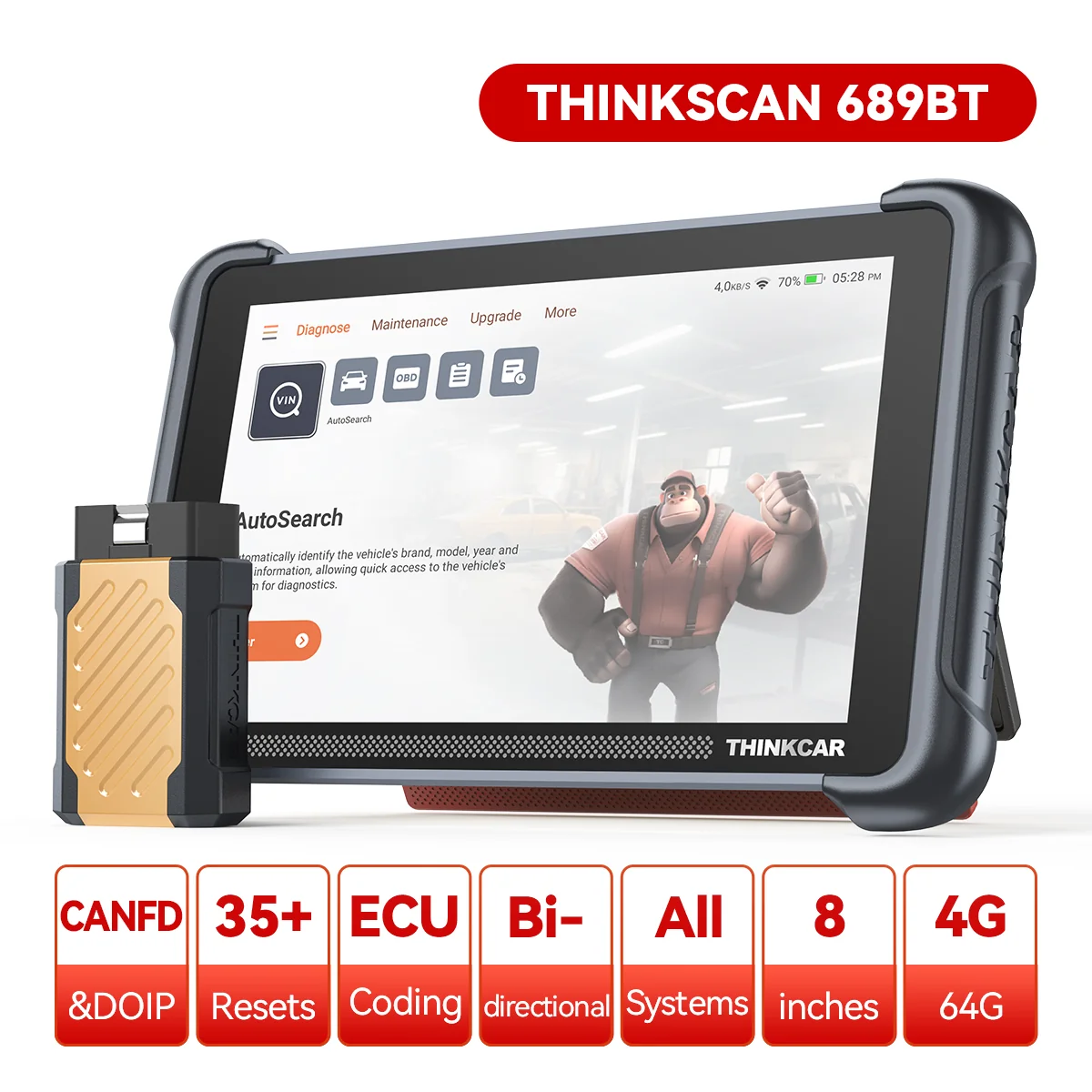
Recommendation: Looking for a professional bi-directional diagnostic tool with full system coverage? Use code DIAGNOZABAM for 10% off.
Transparency note: Affiliate link. Purchasing through it costs you nothing extra. View Thinkcar Deal →
