

White smoke from the exhaust can be harmless or a sign of serious engine damage. The key is understanding when it is normal and when it indicates a problem.
In many cases, drivers confuse normal condensation with coolant leaks, which can lead to unnecessary panic or, worse, ignoring a real issue.
When White Smoke Is Normal
Light white smoke that disappears quickly is usually just condensation.
Typical situations:
- cold start in low temperatures
- humid weather
- short trips
This type of smoke:
- disappears after engine warms up
- has no strong smell
- does not affect performance
When White Smoke Is a Problem
Persistent white smoke indicates coolant entering the combustion chamber.
Common causes:
- blown head gasket
- cracked engine block
- warped cylinder head
This is a serious issue that requires immediate attention.
Signs of Coolant Burning
- thick, dense white smoke
- sweet smell (coolant)
- engine overheating
- coolant level dropping
- rough engine operation
Related OBD2 Codes
- P0128 – coolant temperature below threshold
- P0117 / P0118 – coolant temperature sensor
- P0217 – engine overheating condition
Head Gasket Failure Explained
The head gasket seals the combustion chamber from coolant and oil passages.
If it fails:
- coolant enters cylinders
- compression is lost
- engine overheating occurs
Driving in this condition can destroy the engine.
Can You Drive with White Smoke?
Short answer:
- condensation → yes
- coolant leak → no
If the smoke is thick and persistent, you should stop driving immediately.
How to Diagnose the Problem
- check coolant level
- inspect for oil contamination
- perform compression test
- use OBD2 scanner
- pressure test cooling system
How to Fix White Smoke
- replace head gasket
- repair cylinder head
- fix cooling system leaks
In severe cases, engine rebuild may be required.
Conclusion
White smoke should never be ignored if it persists. While condensation is harmless, coolant burning is a serious problem that can quickly lead to engine failure.
Early diagnosis can save significant repair costs.
✍️ Author: Bejenaru Alexandru Ionut – [email protected]
🔗 Internal link: https://diagnozabam.ro/sfaturi
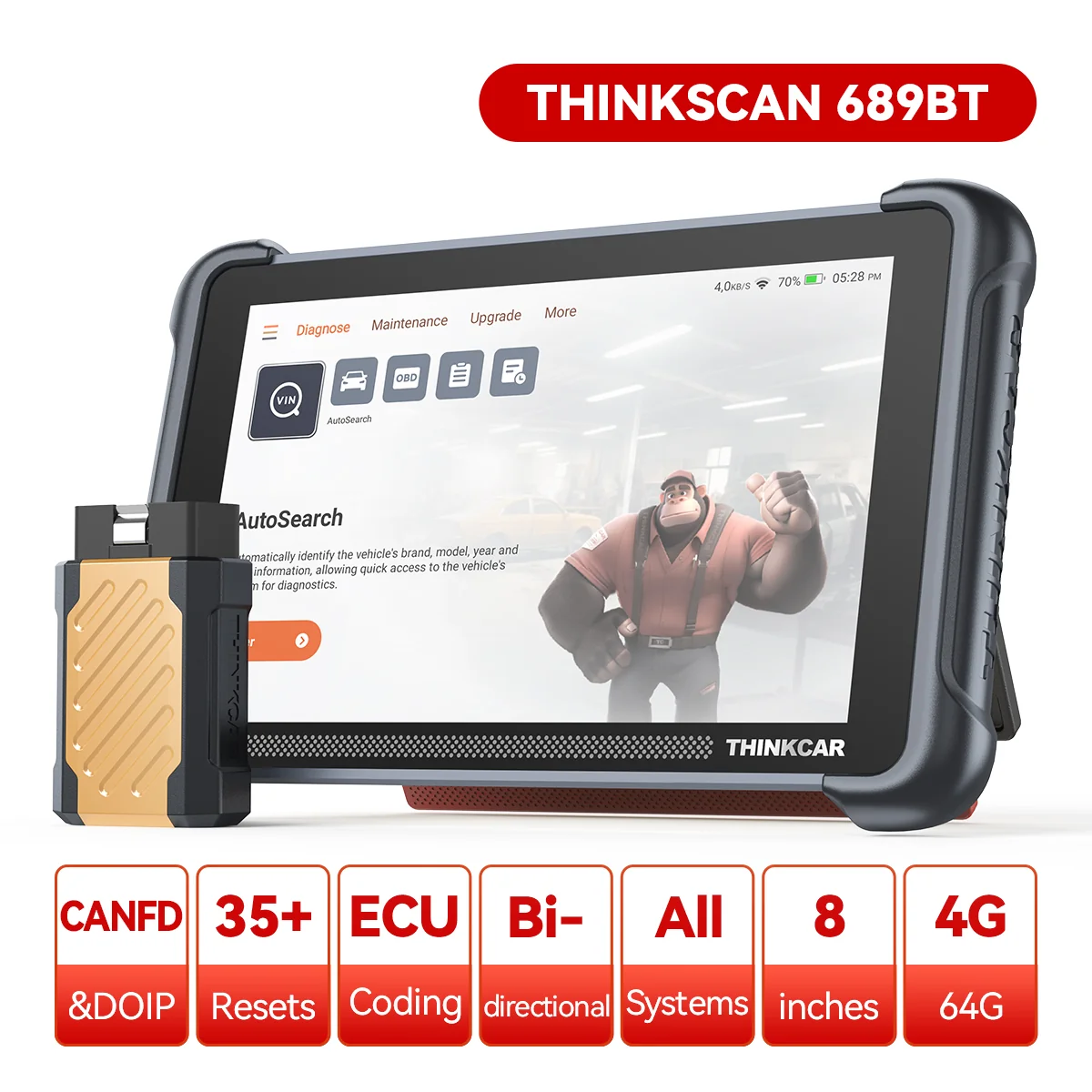
Recommendation: Looking for a professional bi-directional diagnostic tool with full system coverage? Use code DIAGNOZABAM for 10% off.
Transparency note: Affiliate link. Purchasing through it costs you nothing extra. View Thinkcar Deal →