

Black smoke coming from a diesel engine is a clear sign that something is wrong. In most cases, it means the engine is burning too much fuel compared to the amount of air available.
This imbalance leads to incomplete combustion, increased fuel consumption, and long-term damage to engine components.
What Causes Black Smoke in Diesel Engines
1. Faulty or Dirty Injectors
Injectors that do not spray fuel correctly can:
- deliver too much fuel
- create poor atomization
- cause incomplete combustion
Related OBD2 codes:
- P0201 – injector circuit cylinder 1
- P0202 – injector circuit cylinder 2
- P0203 – injector circuit cylinder 3
- P0204 – injector circuit cylinder 4
2. Dirty Air Filter
A clogged air filter restricts airflow.
Less air + same fuel = rich mixture → black smoke.
3. Faulty MAF Sensor
The Mass Air Flow sensor measures incoming air.
If it sends incorrect data:
- ECU injects too much fuel
- combustion becomes inefficient
Codes:
4. Turbocharger Problems
If the turbo fails:
- less air enters the engine
- fuel is not fully burned
Code:
- P0299 – low boost pressure
5. EGR Valve Issues
A stuck EGR valve can:
- disrupt combustion
- increase soot production
Codes:
- P0400
- P0401
6. DPF Filter Problems
A clogged DPF:
- increases backpressure
- worsens combustion
Codes:
Symptoms of Black Smoke
- visible black exhaust smoke
- increased fuel consumption
- loss of power
- rough acceleration
- Check Engine light
Is It Safe to Drive?
Short answer: No, not for long.
Driving with black smoke can lead to:
- clogged DPF
- damaged turbo
- failed injectors
- catalytic converter damage
How to Fix Black Smoke
- check and clean injectors
- replace air filter
- clean or replace MAF sensor
- inspect turbocharger
- check EGR system
- perform full OBD2 diagnosis
Conclusion
Black smoke is not normal and should never be ignored. It indicates a serious imbalance in the air-fuel mixture and can quickly lead to expensive repairs.
Early diagnosis is key to avoiding major engine damage.
✍️ Author: Bejenaru Alexandru Ionut – [email protected]
🔗 Internal link: https://diagnozabam.ro/sfaturi
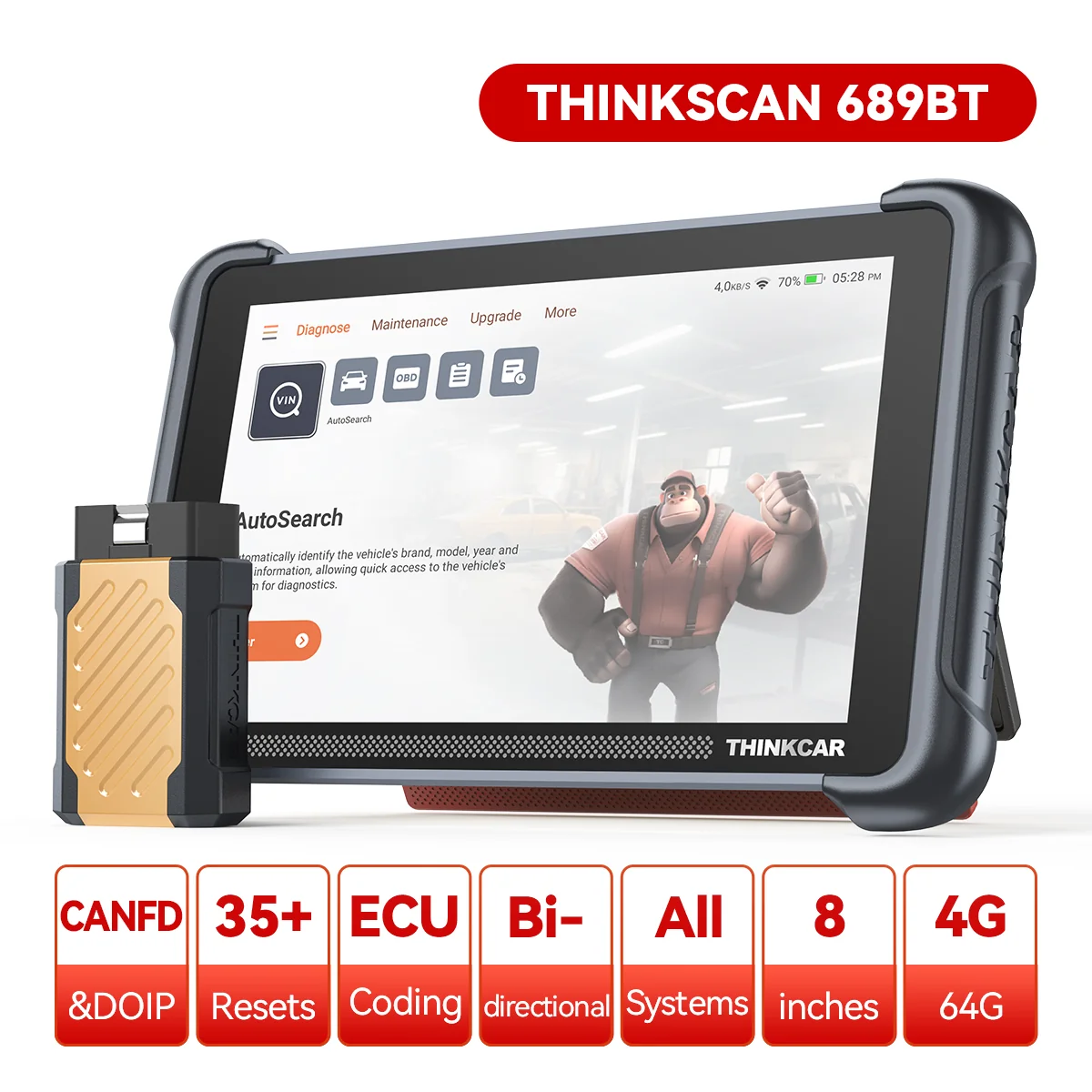
Recommendation: Looking for a professional bi-directional diagnostic tool with full system coverage? Use code DIAGNOZABAM for 10% off.
Transparency note: Affiliate link. Purchasing through it costs you nothing extra. View Thinkcar Deal →