
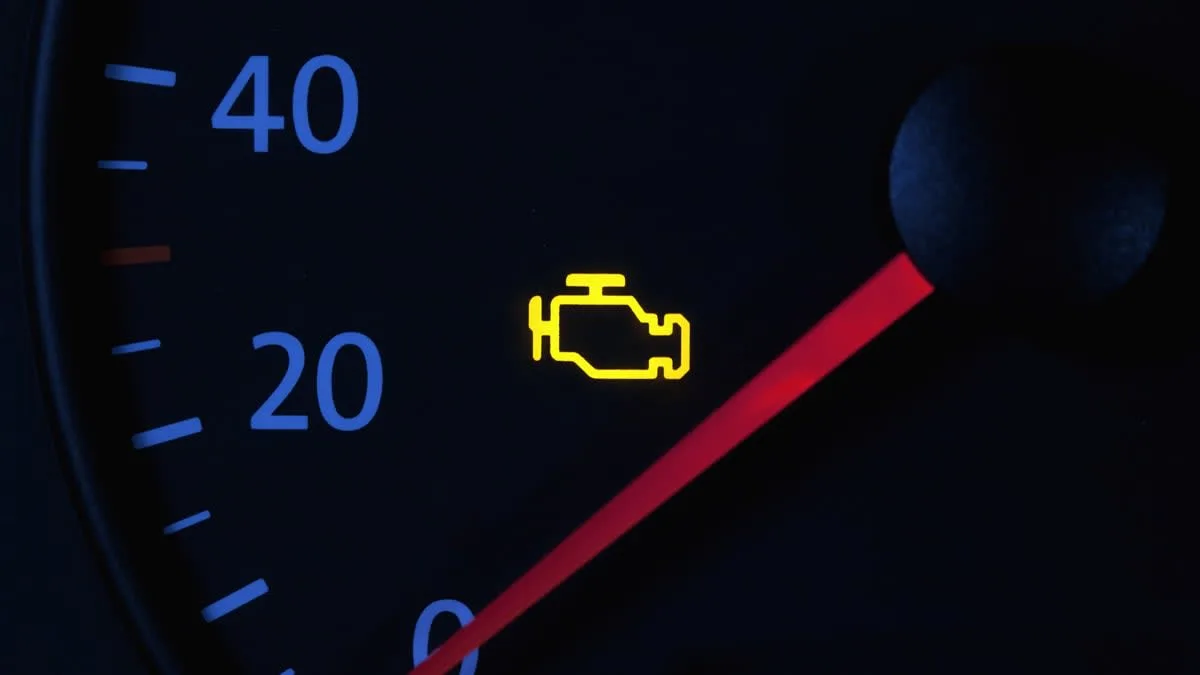
Check Engine Light: Can You Drive or Should You Stop?
A Check Engine light can mean anything from a minor sensor issue to a serious engine problem that can cause damage in minutes. Many drivers ignore it — and that’s where expensive repairs begin.
So the real question is simple: can you keep driving, or should you stop immediately?
What Does the Check Engine Light Mean?
The Check Engine light turns on when your car’s ECU (Engine Control Unit) detects a fault affecting:
- engine performance
- fuel system
- emissions system
- sensors and electronics
Every issue is stored as an OBD2 fault code, which helps identify the exact problem.
Solid vs Flashing Engine Warning Light
Understanding the difference is critical.
Solid Check Engine Light
A steady light usually indicates a moderate issue, such as:
- faulty oxygen sensor
- incorrect air-fuel mixture
- minor emissions problems
You can continue driving short-term, but the issue must be diagnosed quickly.
Flashing Check Engine Light
A flashing light means danger:
- engine misfire
- unburned fuel entering the exhaust
- risk of catalytic converter destruction
Stop the car immediately. Continuing to drive can lead to severe engine damage.
Common Causes of Check Engine Light
Here are the most frequent reasons behind this warning:
1. Oxygen Sensor Failure
2. Engine Misfires
3. Air-Fuel Mixture Problems
4. Turbo Issues
Code: P0299
5. EGR System Faults
6. Catalytic Converter Failure
Code: P0420
Some faults are more technical, such as issues in the valve timing system like , which can affect engine efficiency and performance.
Can You Drive with the Check Engine Light On?
YES – But Only Temporarily
You may continue driving if:
- the engine runs smoothly
- there is no loss of power
- no unusual noises or vibrations
NO – Stop Immediately If:
- the light is flashing
- the car shakes or misfires
- you notice smoke or strong fuel smell
- performance drops suddenly
What Happens If You Ignore It?
Ignoring a Check Engine light can quickly turn a small issue into a major repair.
Potential consequences include:
- catalytic converter damage (very expensive)
- increased fuel consumption
- loss of engine performance
- long-term engine damage
What Should You Do Immediately?
Follow these steps:
- Connect an OBD2 scanner
- Read the fault code
- Identify the root cause
- Repair the issue
- Clear the error from the ECU
Early diagnosis saves money and prevents serious damage.
Pro Tip: Don’t Trust “It Still Drives Fine”
Many drivers continue driving because the car “feels normal.”
That’s misleading.
Modern engines compensate for problems temporarily, but behind the scenes:
- fuel consumption increases
- components wear faster
- hidden damage builds up
Conclusion
The Check Engine light is not just a warning — it’s your car asking for help.
Golden rule:
- solid light = drive carefully, diagnose soon
- flashing light = stop immediately
The sooner you act, the cheaper and easier the fix will be.
✍️ Author: Bejenaru Alexandru Ionut – [email protected]
🔗 Internal link: https://diagnozabam.ro/sfaturi

Recommendation: Looking for a professional bi-directional diagnostic tool with full system coverage? Use code DIAGNOZABAM for 10% off.
Transparency note: Affiliate link. Purchasing through it costs you nothing extra. View Thinkcar Deal →