
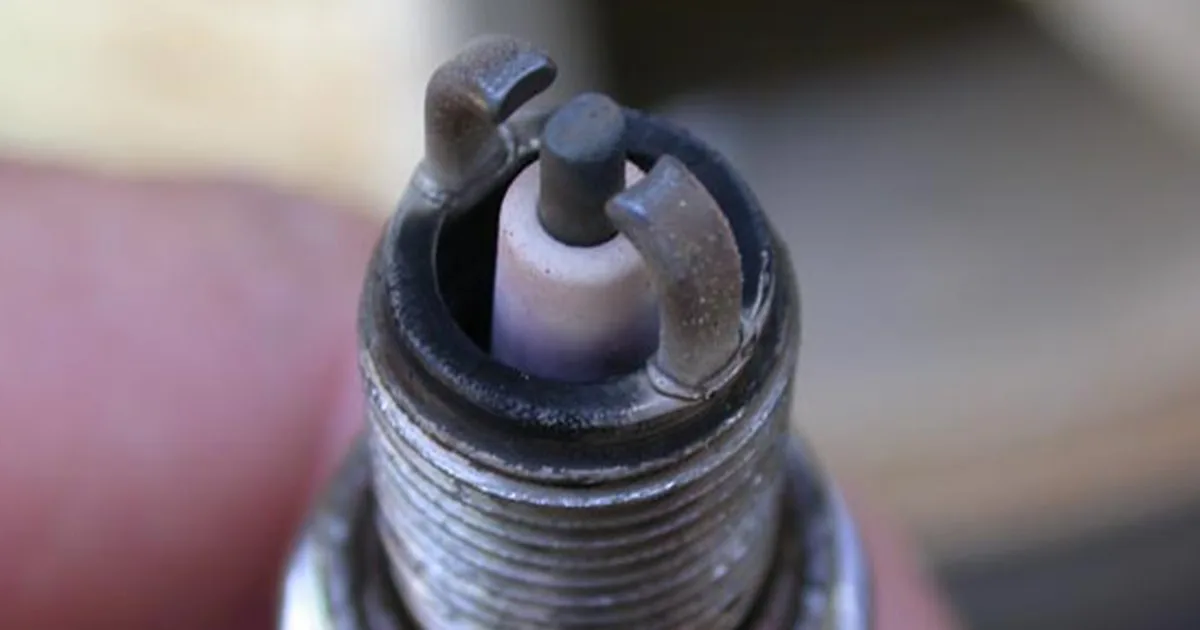
P0300 Random Misfire Code: The Complete Guide
The check engine light comes on. The engine feels rough at idle. You plug in a scanner and see it: P0300.
This is one of the most common — and most frustrating — trouble codes drivers encounter. Frustrating because it doesn’t point to a single component. It points to a problem happening across multiple cylinders at once.
This guide explains what the P0300 random misfire code actually means, what causes it, and how to diagnose it correctly before spending money on parts you might not need.
What Does Code P0300 Mean?
The P0300 diagnostic trouble code indicates that the engine control module (ECM) has detected irregular combustion events across multiple cylinders, without a consistent pattern.
This is different from codes like P0301 or P0302, which point to misfires in one specific cylinder. Those codes narrow the problem down significantly. P0300 does not.
How the ECM Detects a Misfire
Modern engines rely on a crankshaft position sensor to monitor rotation speed with high precision.
NORMAL COMBUSTION                    MISFIRE EVENT
        |                                   |
[Even crankshaft rotation]        [Momentary slowdown]
        |                                   |
[Consistent RPM signal]           [Irregular RPM signal]
        |                                   |
[No code stored]                  [ECM logs misfire]
                                            |
                              Multiple cylinders, no pattern
                                            |
                                    P0300 STORED
When a cylinder misfires, combustion doesn’t push the piston with full force. This causes the crankshaft to momentarily slow down. The ECM detects this irregularity through the crankshaft position sensor.
ℹ️ Technical Note: If the ECM detects the same irregularity pattern tied to one specific cylinder repeatedly, it stores a cylinder-specific code like P0301. When the irregularities appear across different cylinders without a consistent pattern, it stores P0300 instead.
Common Symptoms of P0300 Random Misfire
Drivers typically notice several signs when this code triggers.
- Rough engine idle – the engine feels unstable, especially at a stop.
- Engine hesitation during acceleration – a noticeable lag or stumble when pressing the gas pedal.
- Reduced engine power – the car feels sluggish overall.
- Increased fuel consumption – incomplete combustion wastes fuel.
- Engine shaking or vibration – felt through the cabin, especially at idle.
- Check Engine Light illuminated – solid light indicates the code has been stored.
- Flashing Check Engine Light – occurs under heavy load and signals a more urgent problem.
⚠️ WARNING: A flashing check engine light means raw, unburned fuel is entering the catalytic converter. This can cause permanent, expensive damage to the converter if the vehicle continues to be driven.
Main Causes of P0300 Random Misfire
Because multiple systems work together to produce proper combustion, several different failures can trigger this code.
Ignition System Problems
The ignition system is usually the first place to check.
- Worn or fouled spark plugs
- Failing ignition coils
- Damaged spark plug wires
- Faulty ignition control module
Weak or inconsistent spark energy across multiple cylinders leads directly to random misfires.
Fuel System Issues
Poor fuel delivery disrupts combustion in a similar way.
- Clogged fuel injectors
- Low fuel pressure
- Failing fuel pump
- Dirty fuel filter
- Faulty fuel pressure regulator
When cylinders don’t receive the correct air-fuel mixture, combustion becomes unstable across the engine, not just in one location.
Air Intake and Vacuum Leaks
Unmetered air entering the engine throws off the air-fuel ratio.
- Vacuum leaks
- Cracked intake hoses
- Faulty mass airflow sensor (MAF)
- Dirty throttle body
- Intake manifold gasket leaks
These issues create lean combustion conditions — too much air relative to fuel — which can affect multiple cylinders simultaneously.
Engine Mechanical Problems
Less common, but more serious when present.
- Low engine compression
- Burned valves
- Worn piston rings
- Timing chain or timing belt issues
- Camshaft timing problems
⚠️ WARNING: Mechanical causes tend to produce persistent misfires that don’t improve with simple part replacement. If ignition and fuel system checks come back clean, mechanical testing becomes necessary.
Sensor Failures
Modern engines depend heavily on accurate sensor data for combustion timing.
- Crankshaft position sensor
- Camshaft position sensor
- Oxygen sensors
- Mass airflow sensor
- Engine coolant temperature sensor
Incorrect readings from any of these sensors can confuse the ECM’s fuel and ignition timing calculations, resulting in unstable combustion.
Cause Comparison Table
| System | Common Cause | Effect on Combustion |
|---|---|---|
| Ignition | Worn spark plugs, failing coils | Weak or inconsistent spark |
| Fuel | Low pressure, clogged injectors | Incorrect fuel volume delivered |
| Air Intake | Vacuum leaks, faulty MAF | Lean air-fuel mixture |
| Mechanical | Low compression, timing issues | Physical inability to combust properly |
| Sensors | Faulty crankshaft/camshaft sensors | Incorrect ECM timing calculations |
How to Diagnose P0300 Random Misfire
Replacing parts without proper diagnosis often leads to unnecessary expense. A structured approach saves both time and money.
A typical diagnostic sequence includes:
- Scan for additional trouble codes – P0300 often appears alongside other codes that narrow down the cause.
- Inspect spark plugs and ignition coils – visually check for wear, fouling, or damage.
- Check fuel pressure and injector operation – confirm the fuel system delivers correct pressure and volume.
- Inspect for vacuum leaks – using smoke tests or listening for hissing sounds.
- Verify sensor readings with a scan tool – compare live data against expected values.
- Perform compression and leak-down tests – rule out or confirm mechanical engine damage.
ℹ️ Technical Note: Many technicians also analyze live engine data streams during diagnosis, watching for irregular combustion patterns in real time rather than relying solely on stored trouble codes.
Can You Drive With a P0300 Code?
Driving with an active P0300 code is not recommended.
Continued driving risks:
- Catalytic converter damage – from unburned fuel passing through the exhaust system.
- Engine overheating – caused by unstable combustion cycles.
- Increased fuel consumption – wasted fuel from incomplete combustion.
- Poor drivability – hesitation, power loss, and rough operation.
- Long-term engine wear – accelerated damage to internal components.
⚠️ WARNING: If the check engine light is flashing rather than staying solid, stop the vehicle as soon as it’s safe to do so. Continuing to drive under these conditions significantly increases the risk of catalytic converter failure.
Repair Cost for P0300 Misfire
Repair costs vary significantly depending on the root cause identified during diagnosis.
| Repair | Estimated Cost Range |
|---|---|
| Spark plug replacement | $100 – $300 |
| Ignition coil replacement | $150 – $600 |
| Fuel injector cleaning or replacement | $200 – $900 |
| Fuel pump replacement | $400 – $1,200 |
| Vacuum leak repair | $100 – $400 |
| Engine mechanical repair | $1,000 – $4,000+ |
Because P0300 can stem from many different causes, accurate diagnosis before any repair work is essential to avoid unnecessary spending on the wrong component.
How to Prevent Random Misfires
Preventive maintenance significantly reduces the risk of encountering this code.
- Replace spark plugs at manufacturer intervals – worn plugs are one of the most common root causes.
- Use high-quality fuel – reduces the risk of injector clogging and deposit buildup.
- Keep the fuel system clean – periodic fuel system cleaning maintains consistent delivery.
- Replace air filters regularly – prevents airflow restrictions that affect combustion.
- Perform periodic engine diagnostics – catches early sensor drift or minor issues before they escalate.
ℹ️ Technical Note: Modern engines are highly sensitive to maintenance neglect compared to older designs, since their tighter tolerances and computer-controlled systems leave less margin for component degradation.
Frequently Asked Questions
Is P0300 more serious than a single-cylinder misfire code like P0301?
Not necessarily more serious, but often more complex to diagnose, since the problem isn’t isolated to one cylinder. This usually means the root cause affects a shared system, such as fuel pressure or a vacuum leak.
Can a bad gas fill-up cause a P0300 code?
Yes. Contaminated or low-quality fuel can cause temporary combustion instability across multiple cylinders, sometimes resolving itself after a full tank of quality fuel and a computer reset.
Will clearing the code make the problem go away?
No. Clearing the code only resets the stored fault; it doesn’t fix the underlying cause. The code will return once the ECM detects the same irregular combustion pattern again.
How urgent is a P0300 code if the engine seems to run fine?
Even without obvious symptoms, ignoring the code risks catalytic converter damage over time. Diagnosis is recommended even if drivability seems normal.
Conclusion
The P0300 random misfire code signals combustion instability affecting multiple cylinders at once. The cause can range from simple spark plug wear to complex mechanical engine damage, but early diagnosis consistently reduces both risk and repair costs.
If the check engine light appears alongside rough engine operation, the issue should be inspected promptly to avoid catalytic converter damage and further engine problems. Understanding the systems involved — ignition, fuel, air intake, mechanical, and sensors — allows for faster, more accurate diagnosis and repair.
✍️ Author: Bejenaru Alexandru Ionut – [email protected]
🔗 Internal link: https://diagnozabam.ro/sfaturi
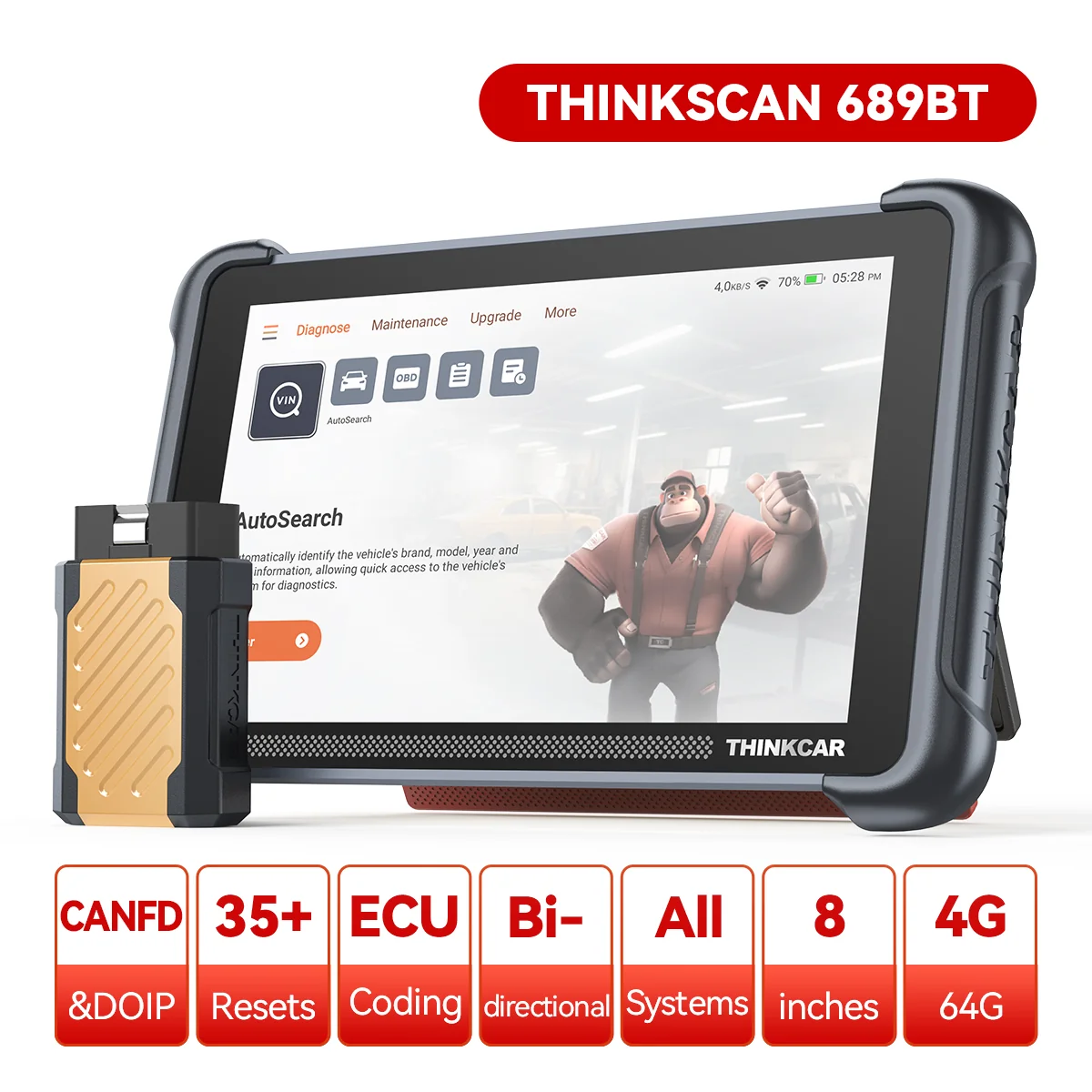
Recommendation: Looking for a professional bi-directional diagnostic tool with full system coverage? Use code DIAGNOZABAM for 10% off.
Transparency note: Affiliate link. Purchasing through it costs you nothing extra. View Thinkcar Deal →
