

If you have ever searched for a product online and then started seeing ads for it across multiple websites, social media platforms, and even video apps, you are experiencing targeted advertising.
This is not a coincidence.
Targeted ads are a core component of modern digital marketing. They are designed to follow user behavior and deliver personalized content based on data collected in real time.
Understanding how this system works is essential, both for users concerned about privacy and for businesses looking to maximize conversions.
What Are Targeted Ads
Targeted ads are digital advertisements shown to users based on specific data points, including behavior, interests, demographics, and browsing patterns.
Unlike traditional ads, which are displayed to broad audiences, targeted ads focus on relevance.
They aim to show the right message to the right person at the right time.
These ads are powered by data collected from:
- websites you visit
- products you search
- links you click
- time spent on pages
- devices you use
This data is processed to create a user profile, which determines what ads you will see.
How Targeted Ads Work
Targeted advertising relies on a multi-layered tracking system that operates continuously in the background.
Data Collection
When you browse the internet, various tracking technologies collect information about your activity:
- cookies stored in your browser
- tracking pixels embedded in websites
- mobile app tracking systems
- account-based tracking (Google, Meta, etc.)
These systems monitor your actions and send data to advertising platforms.
User Profiling
The collected data is analyzed to build a digital profile that may include:
- interests and hobbies
- purchasing intent
- browsing habits
- estimated age and gender
- location and device type
This profile is constantly updated based on your behavior.
Ad Delivery
Advertising platforms use algorithms to decide which ads to show you.
These decisions are based on:
- relevance to your profile
- advertiser bidding strategies
- real-time competition for ad space
This is why two users visiting the same website may see completely different ads.
Why You Keep Seeing the Same Ads
One of the most noticeable aspects of targeted advertising is repetition.
You search for a product once, and suddenly it appears everywhere.
This happens because of a strategy called retargeting.
What Is Retargeting
Retargeting is a technique that shows ads to users who have already interacted with a product or website.
For example:
- You visit an online store and view a product
- The site places a tracking pixel in your browser
- Advertising platforms recognize you later
- You are shown ads for that exact product
This strategy is extremely effective because it targets users with high purchase intent.
Types of Targeted Advertising
Targeted ads are not all the same. They can be categorized based on how the data is used.
Behavioral Targeting
This type uses your browsing history and actions to determine what ads to show.
It focuses on what you do online rather than who you are.
Contextual Targeting
Ads are displayed based on the content of the page you are viewing.
For example, if you are reading about power tools, you may see ads for drills or chainsaws.
Demographic Targeting
This method uses general information such as:
- age
- gender
- location
It is less precise than behavioral targeting but still widely used.
Retargeting
This is the most aggressive form of targeting.
It follows users across the internet after they interact with a product or website.
It is also one of the highest-converting strategies.
What Data Is Collected
Targeted advertising relies heavily on data collection.
The types of data gathered include:
- browsing history
- search queries
- click behavior
- purchase history
- device information
- IP address
- approximate location
In many cases, this data is anonymized, but it is still used to build detailed user profiles.
Advantages of Targeted Ads
From a business perspective, targeted advertising offers significant benefits.
Higher Conversion Rates
Ads are shown to users who are more likely to be interested, increasing the chances of a sale.
Better Return on Investment
Businesses spend less money on irrelevant audiences and focus on high-intent users.
Personalized Experience
Users see ads that match their interests instead of random promotions.
Efficient Marketing Strategy
Targeting reduces wasted ad spend and improves campaign performance.
Disadvantages and Privacy Concerns
Despite their effectiveness, targeted ads raise important concerns.
Loss of Privacy
Users may feel uncomfortable knowing their activity is being tracked across multiple platforms.
Data Collection Without Awareness
Many users are not fully aware of how much data is collected or how it is used.
Ad Fatigue
Seeing the same ad repeatedly can become annoying and reduce engagement.
Potential Data Misuse
If data is mishandled or exposed, it can lead to security risks.
How to Reduce Targeted Ads
Users who want more privacy can take steps to limit tracking.
Clear Cookies Regularly
Removing cookies reduces the amount of stored tracking data.
Use Privacy-Focused Browsers
Browsers with built-in tracking protection can block many tracking scripts.
Disable Ad Personalization
Platforms like Google and Facebook allow users to turn off personalized ads.
Install Ad Blockers
Ad blockers can prevent many ads from being displayed altogether.
Why Targeted Ads Are So Effective
The reason targeted ads dominate modern marketing is simple: they work.
They focus on intent rather than exposure.
Instead of showing ads to thousands of random users, they target individuals who are already interested.
This approach leads to:
- higher engagement
- better conversion rates
- more efficient ad spending
For businesses, this is a critical advantage in a competitive digital landscape.
Conclusion
Targeted ads are everywhere because they are one of the most effective tools in digital marketing.
They rely on continuous data collection, advanced algorithms, and user profiling to deliver highly relevant content.
While they offer clear benefits for businesses, they also raise concerns about privacy and data usage.
Understanding how targeted ads work allows users to make informed decisions about their online behavior and helps businesses use these tools more effectively.
Source: Why you see targeted ads online after an IRL conversation
✍️ Author: Bejenaru Alexandru Ionut – [email protected]
🔗 Internal link: https://diagnozabam.ro/sfaturi
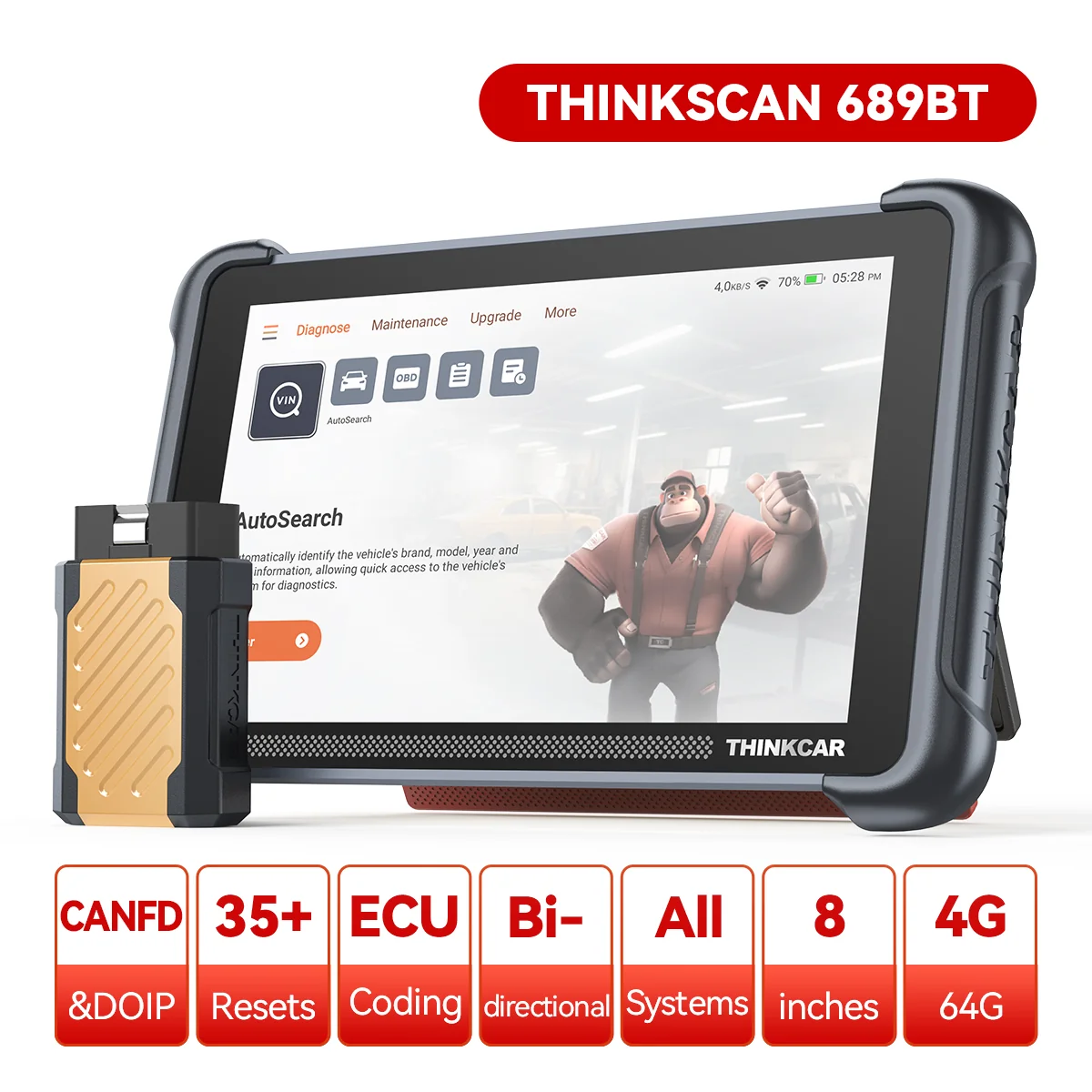
Recommendation: Looking for a professional bi-directional diagnostic tool with full system coverage? Use code DIAGNOZABAM for 10% off.
Transparency note: Affiliate link. Purchasing through it costs you nothing extra. View Thinkcar Deal →