
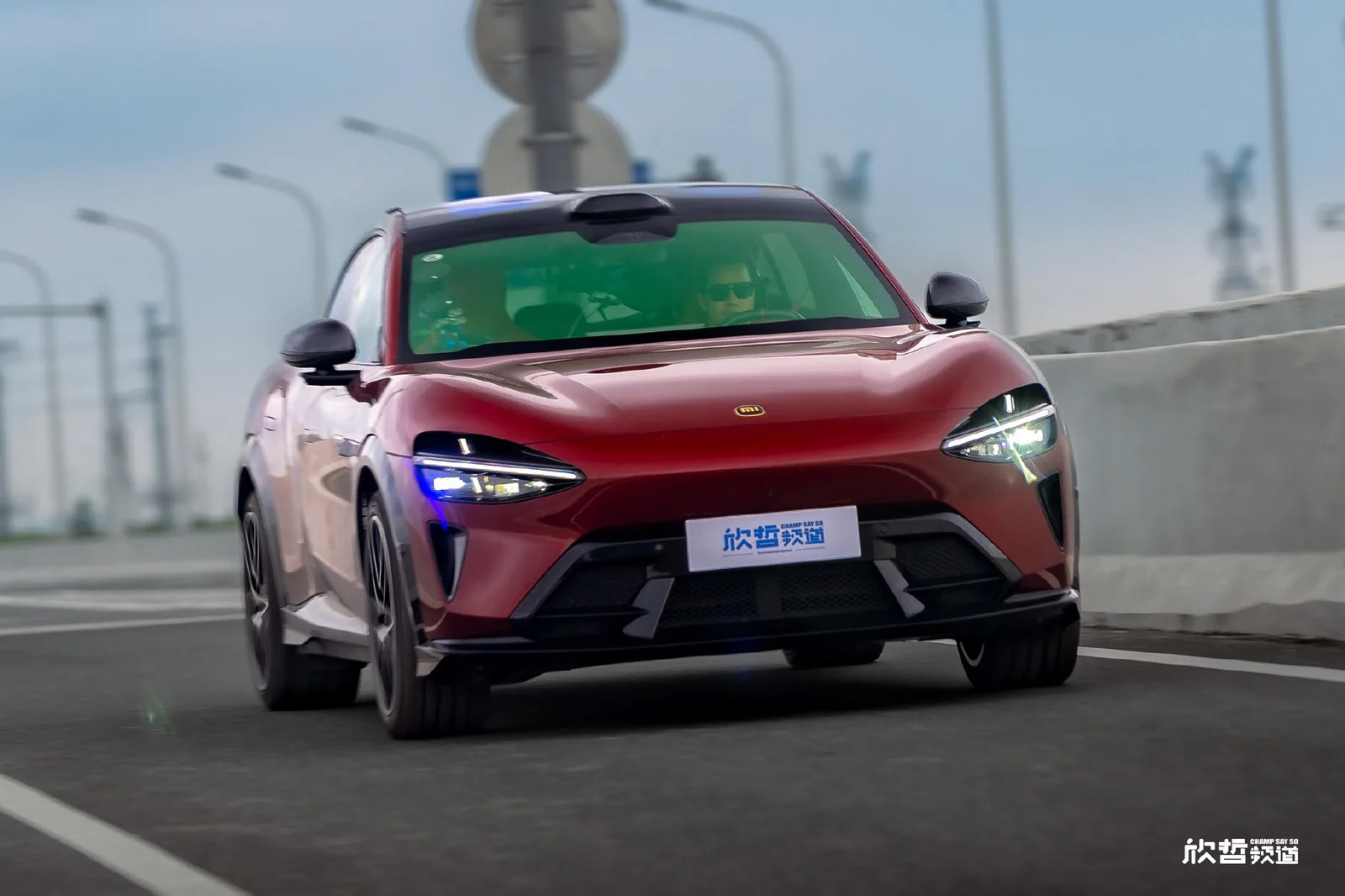
The Tech Titan’s High-Velocity Weapon: Inside the 990 HP Xiaomi YU7 GT Performance SUV
Introduction: The Disruptor’s Next Strategic Leap
When global consumer electronics giant Xiaomi officially entered the automotive sector, traditional legacy car manufacturers viewed the move with a mixture of curiosity and skepticism. Transforming a multi-billion dollar tech empire from smartphones and smart home appliances into a legitimate, high-volume car manufacturer is historically one of the most punishing industrial challenges an enterprise can attempt. However, the sweeping global success of the initial SU7 sedan shattered all industry expectations, proving that Xiaomi’s in-house engineering depth, software integration capabilities, and rapid manufacturing agility could match or exceed traditional performance benchmarks.
Now, Xiaomi is moving aggressively into its next phase of market expansion. The consumer electronic giant is turning its sights directly toward the elite high-performance electric SUV segment with the official unveiling of the Xiaomi YU7 GT.
Officially premiered on May 21 in China, this vehicle represents a fierce, calculated attack on the established premium EV status quo.
Rather than engineering a standard, heavy family crossover designed primarily for school runs and suburban commuting, Xiaomi has injected pure track-bred performance DNA into the SUV form factor. Combining massive power generation with cutting-edge fluid dynamics and the brand’s hyper-advanced digital ecosystem, the YU7 GT is a rolling demonstration of what happens when advanced smartphone packaging efficiency is applied directly to high-end motorsport dynamics.
Architecture & Powertrain: The 990 Horsepower Dual-Motor Grid
Beneath the sleek, muscular shell of the Xiaomi YU7 GT sits an evolved iteration of the brand’s proprietary Modena architecture. This platform was engineered from day one to handle extreme structural loads, high-voltage electrical pathways, and massive torque generation.
                    [ Xiaomi Modena Performance Platform ]
                                      │
       ┌──────────────────────────────┴──────────────────────────────┐
       ▼                                                             ▼
 [ Front Axle Electric Drive ]                 [ Rear Axle Electric Drive ]
 • HyperEngine V6s Induction Unit               • HyperEngine V8s Synchronous Unit
 • Peak Output: 288 kW (391 PS)                 • Peak Output: 450 kW (612 PS)
       │                                                             │
       └──────────────────────────────┬──────────────────────────────┘
                                      ▼
             [ Combined System Power Output: 738 kW (990 PS) ]
             [ Electronic All-Wheel Drive / Instant Torque Vectoring ]
The GT version implements a relentless, high-output Dual-Motor All-Wheel Drive (AWD) matrix that introduces supercar-level acceleration metrics to the premium SUV class:
-
The Front Axle Drive Unit: Features a highly efficient, high-speed electric motor pushing out a substantial 288 kW (391 PS).
-
The Rear Axle Drive Unit: Deploys Xiaomi’s signature high-rpm electric motor generating a massive 450 kW (612 PS).
When both electric drive units are running at maximum operational capacity, the system unleashes a combined output of 738 kW, which translates to a staggering 990 horsepower (976 bhp).
Smashing the EV SUV Speed Barriers
This massive power grid allows the heavy performance SUV to sprint from 0 to 100 km/h in an estimated 2.6 seconds. Even more impressive is its targeted maximum top speed of 300 km/h (186 mph).
For a high-riding SUV vehicle, hitting 300 km/h requires immense engineering focus on thermal stability and rotor structural integrity, as traditional electric motors often experience extreme centrifugal degradation at those speeds. Xiaomi utilizes high-tensile carbon-fiber rotor sleeve wraps to keep the motor internals locked perfectly in place even at peak rotational speeds.
Thermal Stability & Cell-to-Body Battery Matrix
To sustain 990 horsepower without experiencing performance drops from heat buildup, the YU7 GT integrates a massive, high-capacity battery pack developed in partnership with battery titan CATL. The pack utilizes an advanced Cell-to-Body (CTB) structural methodology, where the battery casing acts as the actual floor of the passenger cabin. This design maximizes interior vertical space, drastically reduces structural part counts, and increases the vehicle’s torsional rigidity to sports-car levels.
   [ CATL Ultra-High Density Cells ] ──► Integrated via Cell-to-Body (CTB) Structural Floor
                                                │
                                                ▼ (The CLTC Efficiency Envelope)
                                                │
   [ 705 Kilometers of Total Range ] ──► Sustained via Intelligent Liquid Chiller Nodes
Operating on the highly optimized China Light-Duty Vehicle Test Cycle (CLTC), the YU7 GT achieves an exceptional maximum driving range of up to 705 kilometers on a single charge.
Crucially, the pack features a high-capacity liquid cooling matrix equipped with variable-flow chiller nodes. If the driver engages track telemetry modes, the cooling system pre-chills the battery cells below normal operating temperatures, creating a thermal safety buffer that allows the vehicle to sustain high high-speed runs on the highway or circuit without triggering safety power limits.
Fluid Dynamics: The 10 Aerodynamic Channels Matrix
An inherent design flaw of any SUV body shape trying to achieve a 300 km/h top speed is its large frontal surface area, which naturally creates massive aerodynamic drag and turbulent rear-end lift. To overcome this physical barrier, Xiaomi’s design studio subjected the YU7 GT to hundreds of hours of advanced Computational Fluid Dynamics (CFD) simulation and wind tunnel refinement.
              [ Muscular Low-Drag GT Silhouette ]
                              │
       ┌──────────────────────┴──────────────────────┐
       ▼                                             ▼
 [ 10 Through-Flow Aero Channels ]             [ 19 Specialized Ambient Air Openings ]
 • High-Pressure Air Guided Interally          • Brake Ventilation Optimization
 • Minimizes Front Turbulence Profiles        • Rear Diffuser Wake Management
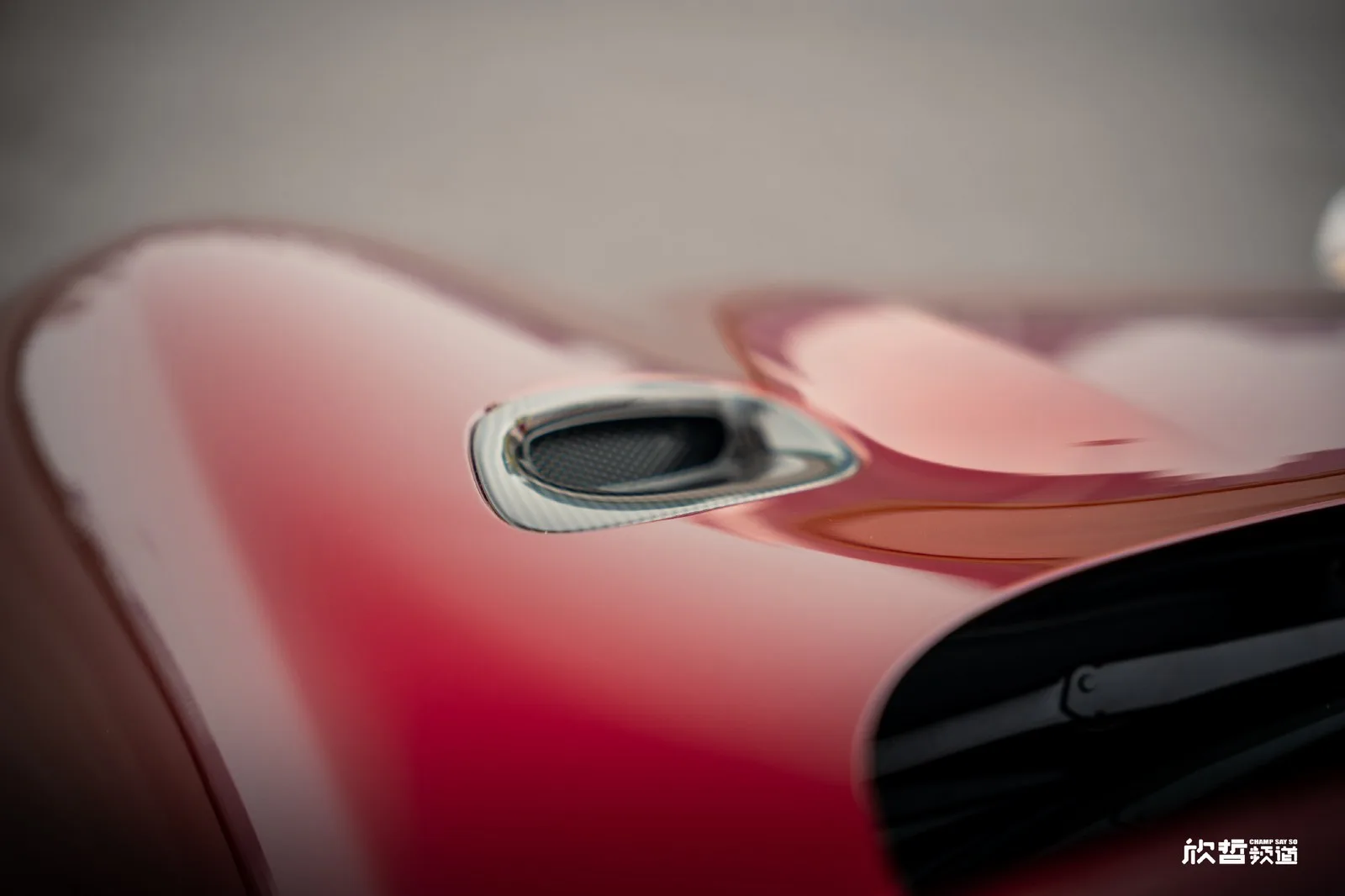
The bodywork is a masterclass in airflow management, featuring 10 active through-flow aerodynamic channels and 19 independent air openings integrated around the exterior paneling.
Up front, air is pulled through high-pressure openings in the bumper and channeled internally out through vents in the front wheel arches, minimizing turbulent high-pressure build-up around the spinning tires. High-velocity air is guided over the smooth underbody paneling directly into a massive rear diffuser assembly, which uses the air to create a low-pressure area under the chassis, effectively sucking the rear tires onto the road.
Visual Identity: Blending SU7 Design DNA with Track Focus
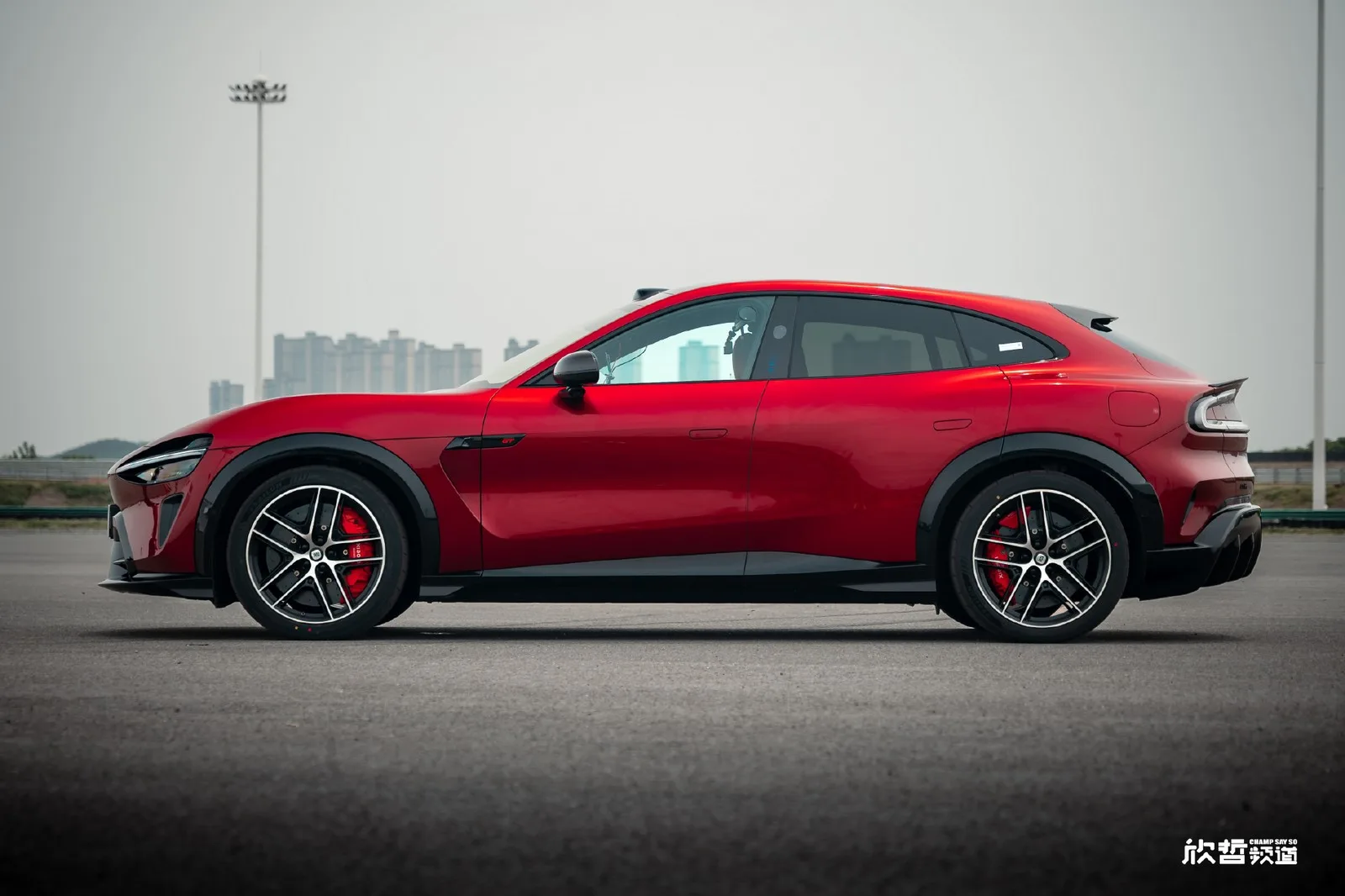
Visually, the YU7 GT strikes a striking balance between premium high-tech minimalism and aggressive motorsport styling. The front nose heavily inherits the DNA of the acclaimed SU7 sedan, displaying the signature clean Waterdrop matrix LED headlight clusters that mimic a organic droplet of water slicing through the air.
However, everything below the beltline has been turned up to maximum attack. The front features a deep, prominent carbon fiber splitter that controls front-end lift, paired with extra-wide cooling air dams.
   [ Front Stance Elements ] ──► Deep Splitter & Iconic Waterdrop LED Arrays
                 │
   [ Lateral Profile Lines ]   ──► Frameless Glass Profiles & Flush Electronic Actuators
                 │
   [ Rear Motorsport Cues ]    ──► Integrated Ducktail Lip & 360-Degree Halo Lightbar
From the side, the YU7 GT displays a clean, swept-back silhouette with a low roofline that tapers into a sporty fastback rear end. The side mirrors feature a sleek, frameless aerodynamic casing, while the side doors use flush-fitting electronic actuators that stay flat against the bodywork to maintain a smooth boundary layer of airflow.
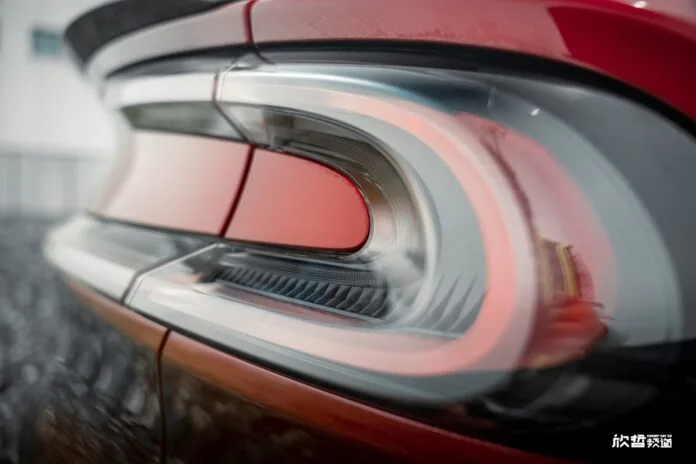
The vehicle shown at the premiere was finished in a stunning Crimson Red metallic paint, a high-intensity color choice that instantly emphasizes the vehicle’s high-performance identity. At the rear, an integrated ducktail spoiler lip works alongside Xiaomi’s iconic 360-degree Halo LED lightbar, creating a unique night-time look that sets it apart from standard luxury family crossovers.
Smart Cockpit Topology: HyperOS Performance Center
Inside the cabin, the YU7 GT moves away from traditional luxury tropes, focusing instead on a minimalist, highly immersive smart cockpit environment powered by the latest generation of Xiaomi HyperOS.
The entire dashboard is centered around a massive, ultra-high-definition central control touchscreen driven by premium automotive processing chips, delivering instantaneous screen responses and fluid 3D graphics rendering.
                         [ The HyperOS GT Ecosystem ]
                                      │
       ┌──────────────────────────────┼──────────────────────────────┐
       ▼                              ▼                              ▼
[ Seamless Tech Linking ]      [ Track Telemetry Grid ]       [ Hardware Ergonomics ]
• Instant Smartphone Mirroring • Real-Time G-Force Meters     • Carbon Shell Seats
• Smart Home Control Access    • Motor Thermal Diagnostics     • Integrated Head Restraints
The software features an advanced GT Performance Menu that transforms the digital dashboard into a race-grade telemetry station. Drivers can track real-time G-force metrics, monitor individual electric motor operating temperatures, view tire pressure status, and log lap times on major international racing circuits.
This digital experience is paired with serious hardware: the cabin features body-hugging carbon fiber shell racing seats trimmed in premium materials, complete with integrated headrests and pass-throughs for racing harnesses. This setup ensures that while the driver is enveloped in world-class connectivity, the physical connection to the car’s 990 horsepower chassis remains raw and immediate.
Comparative Metrics: Shaking Up the Electric SUV Order
When analyzed alongside the current premium high-performance electric SUV field, the technical data of the Xiaomi YU7 GT reveals its immense disruptive potential:
| Performance & Engineering Metric | Traditional Luxury EV SUV | Xiaomi YU7 GT Performance Grid |
| Powertrain Motor Layout | Standard Dual-Motor Assembly | HyperEngine High-RPM AWD Matrix |
| Combined Electrical Output | ~450 kW to 550 kW | 738 kW (990 Horsepower) |
| Maximum Targeted Velocity | 250 km/h (Electronically Capped) | 300 km/h (186 mph – Track Verified) |
| Aerodynamic Management | Standard Closed Grille Openings | 10 Internal Channels / 19 Vents |
| Battery Chassis System | Traditional Cell-to-Pack Casing | Cell-to-Body (CTB) Structural Floor |
| Maximum CLTC Operating Range | ~550 to 620 Kilometers | Up to 705 Kilometers |
| Onboard Software Brain | Closed Legacy Operating System | Xiaomi HyperOS Eco-Linking Grid |
Conclusion: The New Dawn of Accessible Hyper-SUVs
The Xiaomi YU7 GT is a phenomenal, boundary-pushing statement that confirms the tech giant’s automotive division is ready to compete at the absolute highest levels of global performance engineering. It proves that the success of the SU7 sedan was no fluke, but rather the opening chapter of a long-term, highly aggressive expansion plan.
By delivering a staggering 990 horsepower dual-motor powertrain, an engineering-heavy 300 km/h top speed, 10 active aerodynamic air channels, and an operating range of up to 705 kilometers via advanced CATL Cell-to-Body technology, the YU7 GT enters the market with a specification sheet that puts far more expensive European luxury hyper-SUVs on notice.
With rumors already circulating about a more affordable, single-motor variant joining the lineup later, Xiaomi is showing the world that elite, track-ready electric speed is no longer the exclusive playground of legacy ultra-luxury brands. The future of electric performance has officially evolved—and it is being driven by the tech sector.
Source: 2027 Xiaomi YU7 GT: Elektro-SUV mit 990 PS und 300 km/h Ansage
✍️ Author: Bejenaru Alexandru Ionut – [email protected]
🔗 Internal link: https://diagnozabam.ro/sfaturi

Recommendation: Looking for a professional bi-directional diagnostic tool with full system coverage? Use code DIAGNOZABAM for 10% off.
Transparency note: Affiliate link. Purchasing through it costs you nothing extra. View Thinkcar Deal →
