

The difference between commercial and classical music reflects how our society processes emotion.
One is built for clicks — the other for connection.
And while hits fade, great compositions stay because they speak to something deeper: our shared humanity.
🎶 1. Commercial music: sound designed for attention
Catchy hooks, heavy beats, repetitive lyrics — today’s songs are optimized for streaming algorithms.
They create quick dopamine spikes, but little resonance.
We hear a lot, but feel very little.
🎻 2. Classical music: emotion built through silence
Classical music doesn’t rush to impress.
It unfolds. It breathes. It challenges your focus and rewards your patience.
You don’t consume it — you meet it halfway.
That’s why it still lives centuries later.
💡 3. The true difference: intention, not genre
The line between art and entertainment lies in purpose.
Commercial music seeks reaction.
Soulful music — classical, jazz, or acoustic — seeks meaning.
Sometimes, even a pop ballad can be soulful if it’s born from honesty.
🧠 4. Psychology behind the sound
Commercial music triggers quick dopamine bursts.
Classical compositions engage memory and emotion centers, stimulating long-term well-being.
One energizes; the other heals.
🌍 5. The future of listening
Artificial intelligence can generate rhythms — but emotion remains human.
Perhaps the future of music isn’t commercial or classical, but conscious.
🔗 Useful links
✍️ Editorial conclusion
Commercial music moves your body.
Classical music moves your mind.
Soulful music moves both — and that’s where the magic lives.
💬 Practical conclusion
Next time, don’t just play — listen.
Ask yourself: does it echo, or just fill the silence?
✍️ Author: Bejenaru Alexandru Ionut – [email protected]
✍️ Author: Bejenaru Alexandru Ionut – [email protected]
🔗 Internal link: https://diagnozabam.ro/sfaturi
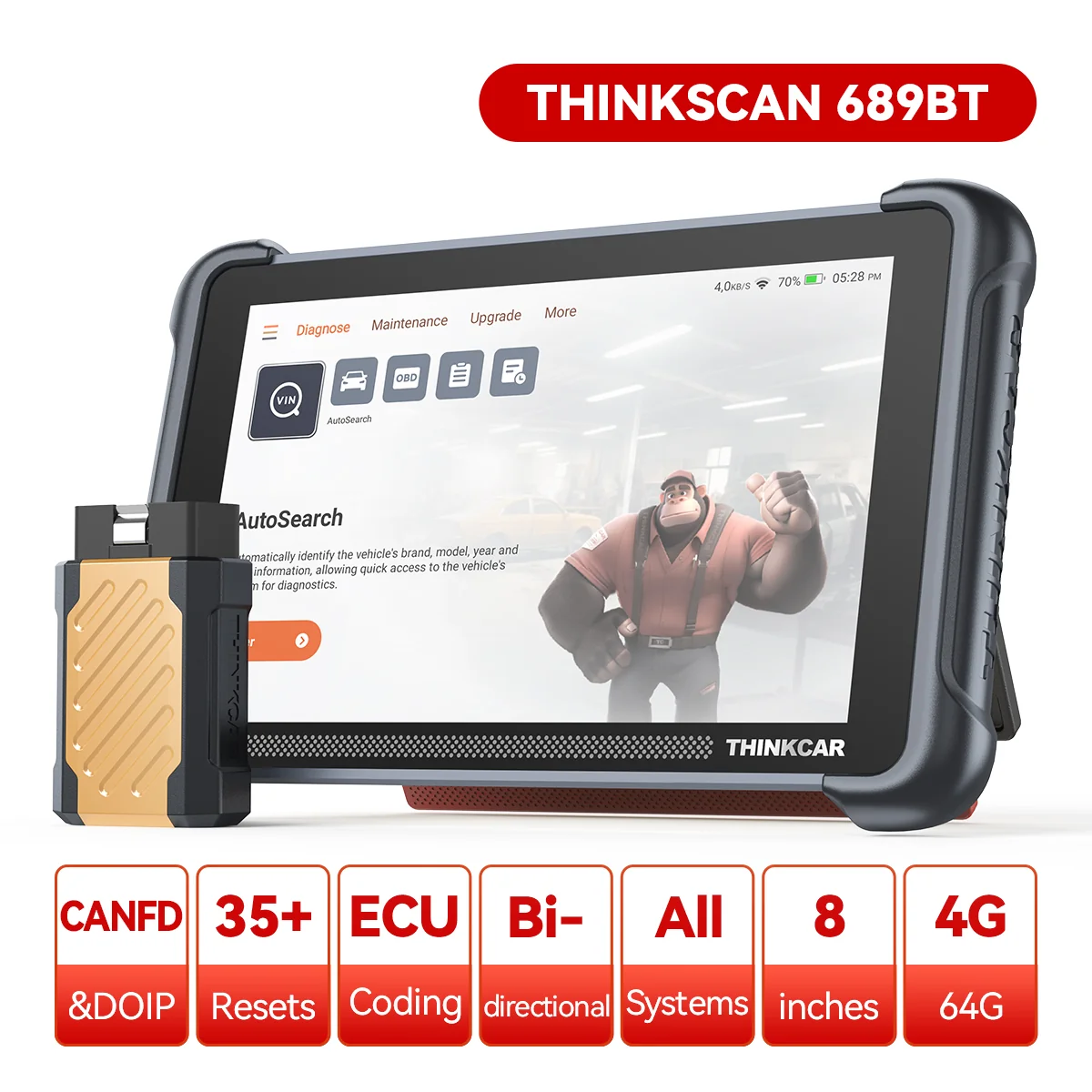
Recommendation: Looking for a professional bi-directional diagnostic tool with full system coverage? Use code DIAGNOZABAM for 10% off.
Transparency note: Affiliate link. Purchasing through it costs you nothing extra. View Thinkcar Deal →
