

Heatwave Warning Apps: Why Your Phone Might Be Your Best Defense This Summer
Summers across Europe are no longer just hot. They are unpredictable, and the temperature spikes now arrive faster and hit harder than they did a decade ago. Heatwaves that once lasted a few days now stretch into weeks. For a lot of people, that shift has turned a smartphone notification into a genuine safety tool.
Heatwave warning apps are built for exactly this problem. They pull data straight from official meteorological sources and push it to your phone the moment conditions cross a dangerous line. No need to check a weather site five times a day. The app does that work and only interrupts you when something actually matters.
This article breaks down how these apps work, which ones are worth installing, and why a single alert can genuinely make the difference between a manageable afternoon and a medical emergency.
How Heatwave Warning Apps Actually Work
At their core, these apps are notification engines layered on top of real weather data. They are not guessing. They connect to national meteorological agencies, satellite feeds, and ground-based weather stations, then compare live readings against predefined danger thresholds.
ℹ️ Technical Note: Most apps use a combination of air temperature, humidity, and wind speed to calculate a “feels like” or heat index value. This number is often far more relevant than raw temperature, since high humidity slows the body’s ability to cool itself through sweat evaporation.
Once the calculated value crosses a threshold set by health authorities, the app triggers a push notification. That threshold usually isn’t arbitrary. It’s tied to national heat-health warning systems, many of which use color-coded alert levels similar to storm warnings.
Beyond raw temperature, several apps now bundle in:
- UV index tracking — warns when sun exposure risk is high enough to cause skin damage within minutes.
- Air quality data — heat often worsens ground-level ozone and particulate pollution, which compounds respiratory risk.
- Humidity monitoring — feeds directly into heat index calculations and affects how dangerous a given temperature actually is.
- Multi-day forecasting — lets users plan around a heatwave instead of reacting to it hour by hour.
The value isn’t the data itself. It’s the timing. A forecast you have to look up is easy to ignore. A notification that appears on your lock screen is not.
Popular Heatwave Warning Apps to Try
Not all weather apps are built the same way, and not all of them prioritize alerts the way a heatwave-focused user needs. Below are four that consistently stand out for extreme heat monitoring.
AccuWeather
AccuWeather remains one of the most detailed forecasting platforms available. Its personalized notification system lets users set custom temperature thresholds, so the alert triggers specifically at the point that matters to them — not a generic national average.
Weather & Radar
This app leans heavily on interactive mapping. Its extreme heat alerts overlay directly onto radar and satellite views, which makes it easier to see exactly which region or neighborhood is affected rather than relying on a single city-wide reading.
Google Weather Alerts
Built into Android at the system level, this option requires no extra installation for most users. It surfaces quick, no-frills updates and integrates with existing Android notification settings, which makes it a solid default for people who don’t want to manage a separate app.
ANM Meteo Romania
For Romanian users specifically, the official ANM (Administrația Națională de Meteorologie) app remains the most reliable source. It issues the country’s official heat codes — cod galben, cod portocaliu, and cod roșu — which correspond directly to national public health guidance and, in some cases, workplace safety regulations during extreme heat periods.
⚠️ WARNING: Third-party apps often repackage the same underlying meteorological data, but delays in relay can occur. For legally binding heat codes in Romania — the kind referenced in labor safety rules — ANM’s own app or website remains the authoritative source.
Why These Alerts Actually Matter
A heat alert isn’t just a convenience. For certain groups, it functions closer to a medical safeguard.
- Vulnerable groups — children, elderly people, and those managing chronic illnesses such as cardiovascular or respiratory conditions face a much higher risk of heat exhaustion and heat stroke. Early warning gives caregivers time to adjust plans before symptoms start.
- Drivers — extreme heat increases the risk of tire blowouts, overheating engines, and dangerous cabin temperatures for anyone or anything left inside a parked vehicle. Knowing peak-heat windows in advance means trips can be rescheduled around safer hours.
- Pet owners — asphalt and enclosed vehicles heat up far faster than ambient air temperature suggests. A timely alert can prevent a walk or a car ride that would otherwise put an animal at serious risk.
- Farmers and outdoor workers — heat alerts allow labor to be shifted to cooler parts of the day, reducing exposure during the most dangerous hours and lowering the risk of heat-related workplace incidents.
The underlying pattern across all four groups is the same: heat-related harm is largely preventable when people have enough lead time to act. Alerts exist to create that lead time.
Doctors’ Advice Alongside App Alerts
Medical professionals are consistent on this point: an app notification should trigger action, not just awareness. The most commonly repeated guidance includes:
- Drink water consistently throughout the day, rather than only when thirst sets in — thirst is a lagging signal of dehydration, not an early one.
- Wear light-colored, loose-fitting clothing, since darker fabrics absorb more heat and restrict airflow against the skin.
- Avoid direct sun exposure between 11 a.m. and 5 p.m., when UV intensity and ground temperature both peak simultaneously.
- Check on elderly neighbors or relatives during multi-day heatwaves, since heat stroke symptoms can develop gradually and go unnoticed by the person experiencing them.
None of this replaces professional medical advice for anyone with pre-existing health conditions. It’s a baseline, not a complete plan.
Setting Up Alerts Correctly
Installing an app isn’t enough on its own. A few configuration steps make the difference between a useful tool and one that gets ignored:
- Enable location-based alerts rather than relying on a manually set city, since heat can vary significantly even within short distances.
- Set custom temperature or heat index thresholds if the app supports it, rather than accepting default settings that may not reflect personal risk factors.
- Turn on UV and air quality notifications separately, since these are sometimes disabled by default even when temperature alerts are active.
- Keep notification permissions active at the system level — a muted app is a useless one during an actual emergency.
Conclusion
Extreme heat is becoming a defining feature of European summers rather than an occasional anomaly. Heatwave warning apps won’t lower the temperature outside, but they close the gap between when danger begins and when someone actually finds out about it. That gap is exactly where preventable heat-related emergencies happen.
A single notification, arriving early enough, is often all it takes to change a decision — delaying a drive, rescheduling outdoor work, or checking in on someone who lives alone. In a summer defined by rising extremes, that small piece of technology carries real weight.
✍️ Author: Bejenaru Alexandru Ionut – [email protected]
🔗 Internal link: https://diagnozabam.ro/sfaturi
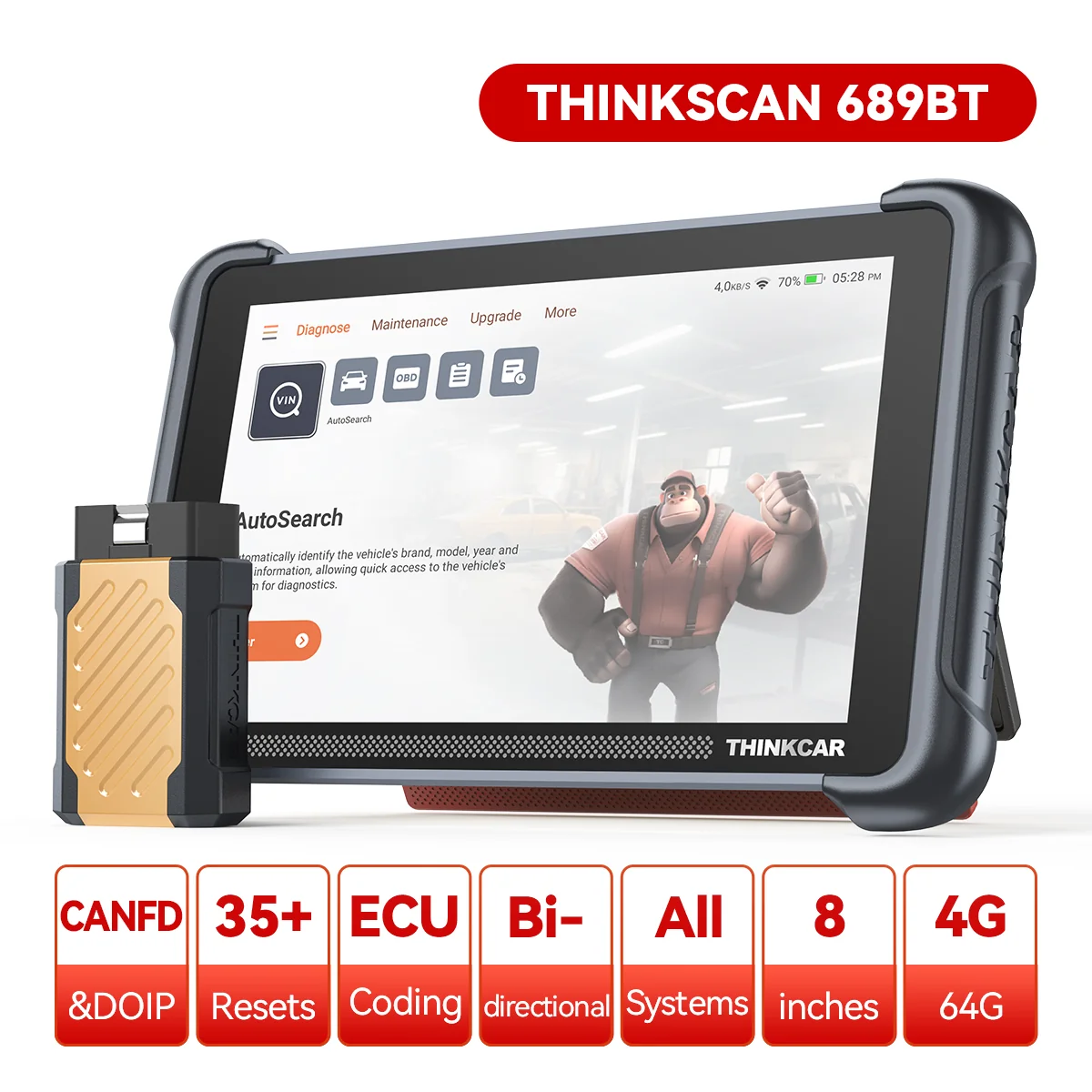
Recommendation: Looking for a professional bi-directional diagnostic tool with full system coverage? Use code DIAGNOZABAM for 10% off.
Transparency note: Affiliate link. Purchasing through it costs you nothing extra. View Thinkcar Deal →
