
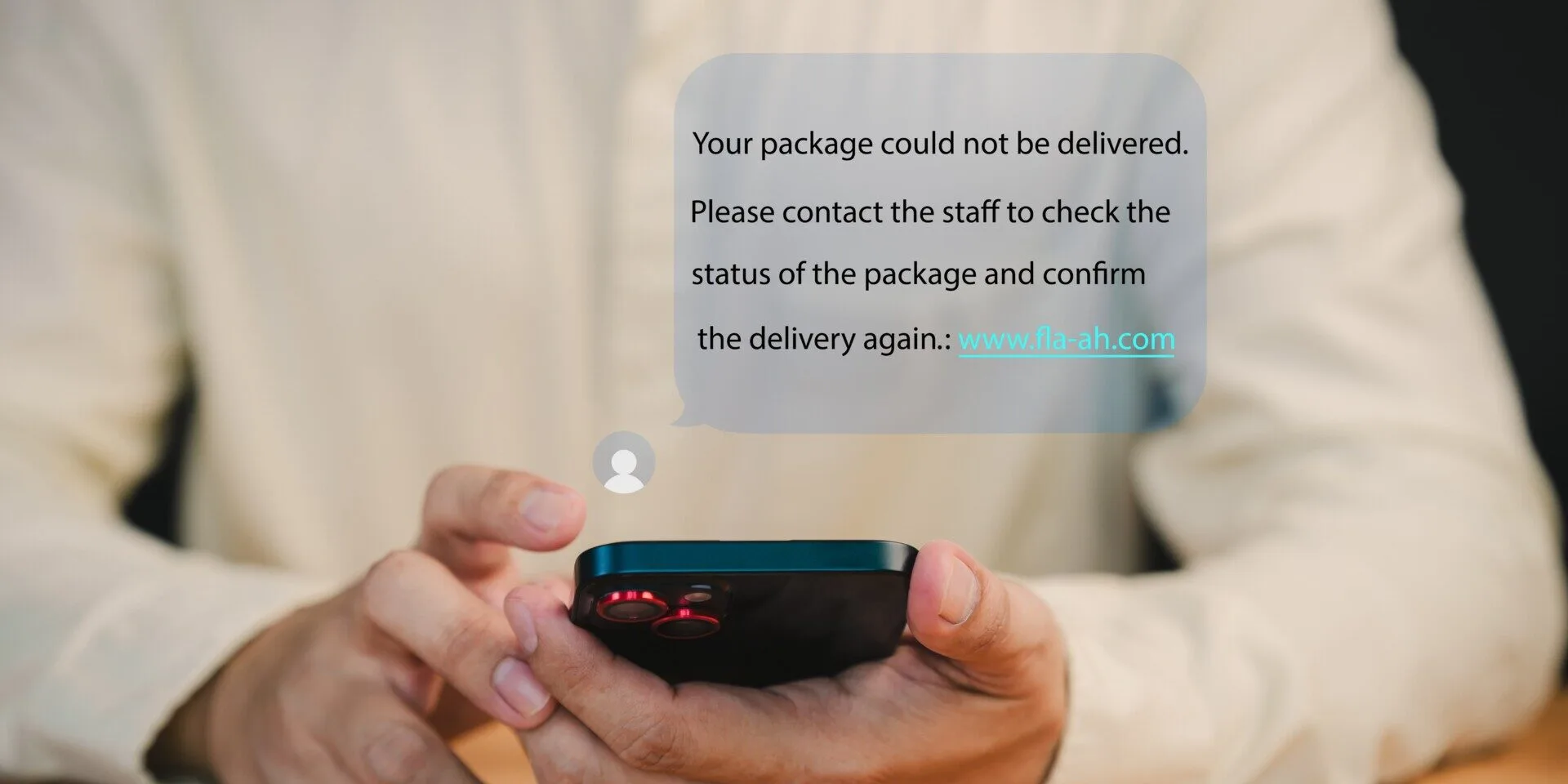
Fake courier scams are among the most common online fraud schemes today. Victims receive text messages or emails claiming that a package delivery has failed or requires urgent confirmation.
Because online shopping is routine, many users click without hesitation — giving scammers access to sensitive financial information.
What is a fake courier scam?
A fake courier scam is a phishing attack where criminals impersonate delivery companies. They use:
-
familiar brand names
-
short urgent messages
-
fake websites resembling official courier pages
The objective is to collect card details or personal information.
How the scam works step by step
-
You receive a delivery notification
-
The message claims a problem with the package
-
A link redirects to a fake website
-
You are asked to pay a small fee
-
Card details are captured
-
Funds are stolen
Common fake delivery messages
-
“Your package is on hold”
-
“Delivery failed – action required”
-
“Address confirmation needed”
-
“Unpaid delivery fee”
Why fake courier scams are effective
-
Online shopping is common
-
Messages look legitimate
-
Small fees reduce suspicion
-
Urgency drives quick action
Warning signs
-
Shortened or suspicious links
-
Generic greetings
-
Unexpected payment requests
-
Lack of official contact details
What you should never do
-
Never click delivery links in messages
-
Never enter card details
-
Never rush payments
-
Never trust unexpected notifications
How to protect yourself
-
Check deliveries through official apps
-
Type courier websites manually
-
Enable bank alerts
-
Report phishing messages
-
Educate family members
Cybersecurity experts warn that delivery scams remain one of the top online fraud methods.
Final thoughts
Fake courier scams exploit everyday habits. Staying cautious and verifying delivery issues independently is essential.
✍️ Author: Bejenaru Alexandru Ionut – [email protected]
🔗 Internal link: https://diagnozabam.ro/sfaturi
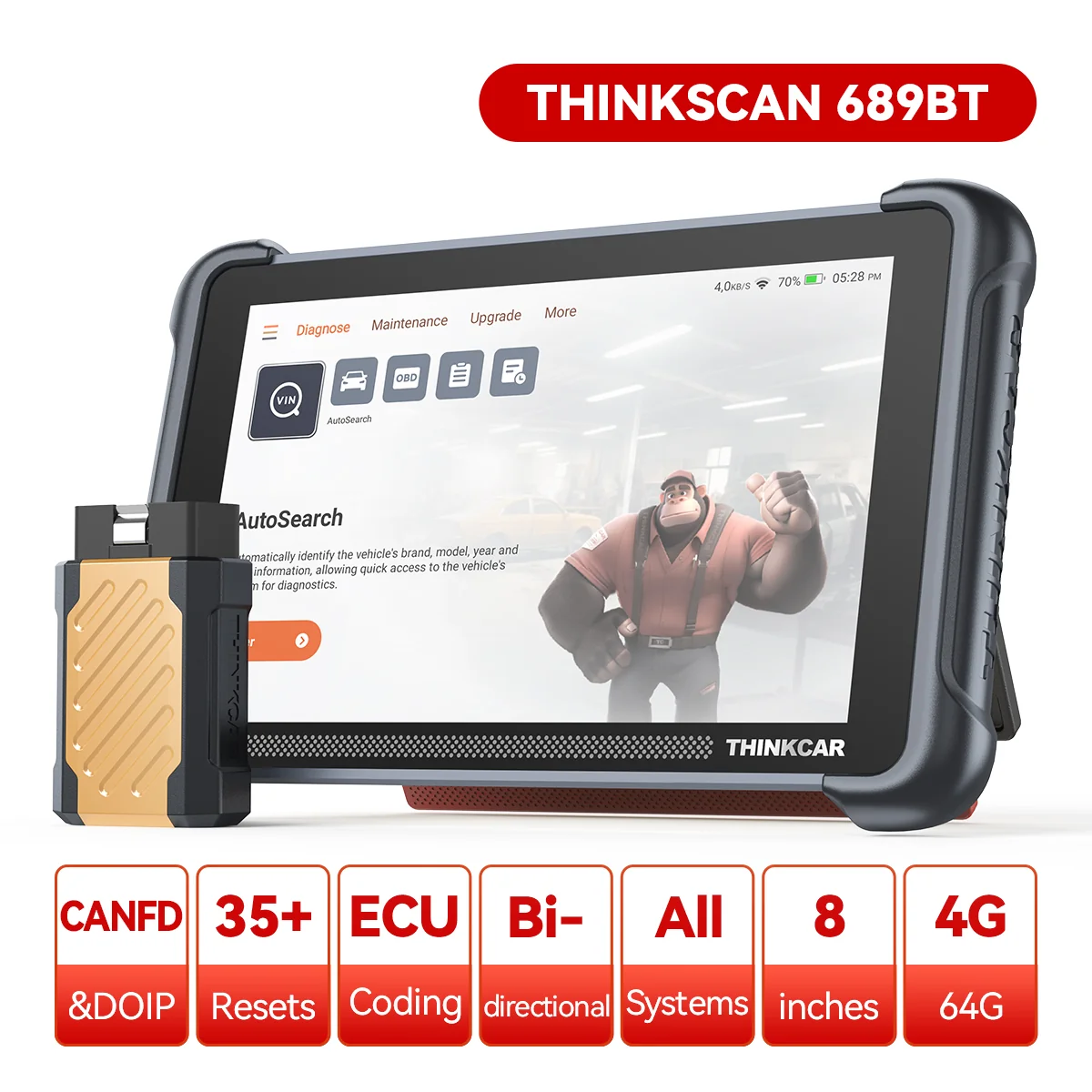
Recommendation: Looking for a professional bi-directional diagnostic tool with full system coverage? Use code DIAGNOZABAM for 10% off.
Transparency note: Affiliate link. Purchasing through it costs you nothing extra. View Thinkcar Deal →
