
Mercedes C-Class moves toward electric identity
The Mercedes C-Class EQ concept reflects a clear direction in the automotive industry: the transition from traditional combustion engines to fully electric platforms.
While the standard C-Class has long been associated with balanced luxury and performance, this reinterpretation introduces a new electric identity, aligned with Mercedes-Benz’s broader electrification strategy.
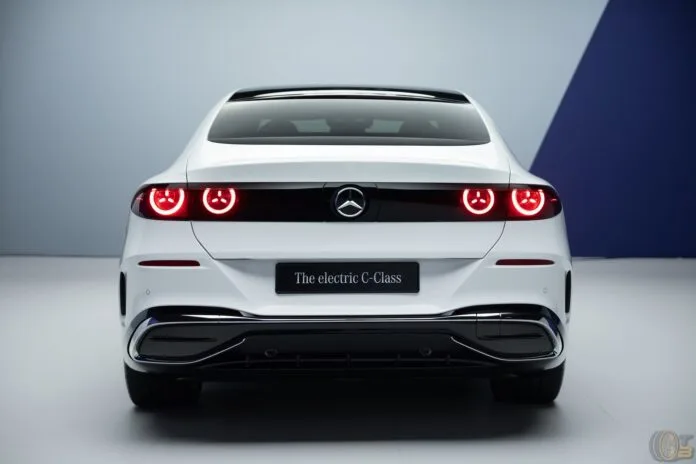
A new design language for the C-Class
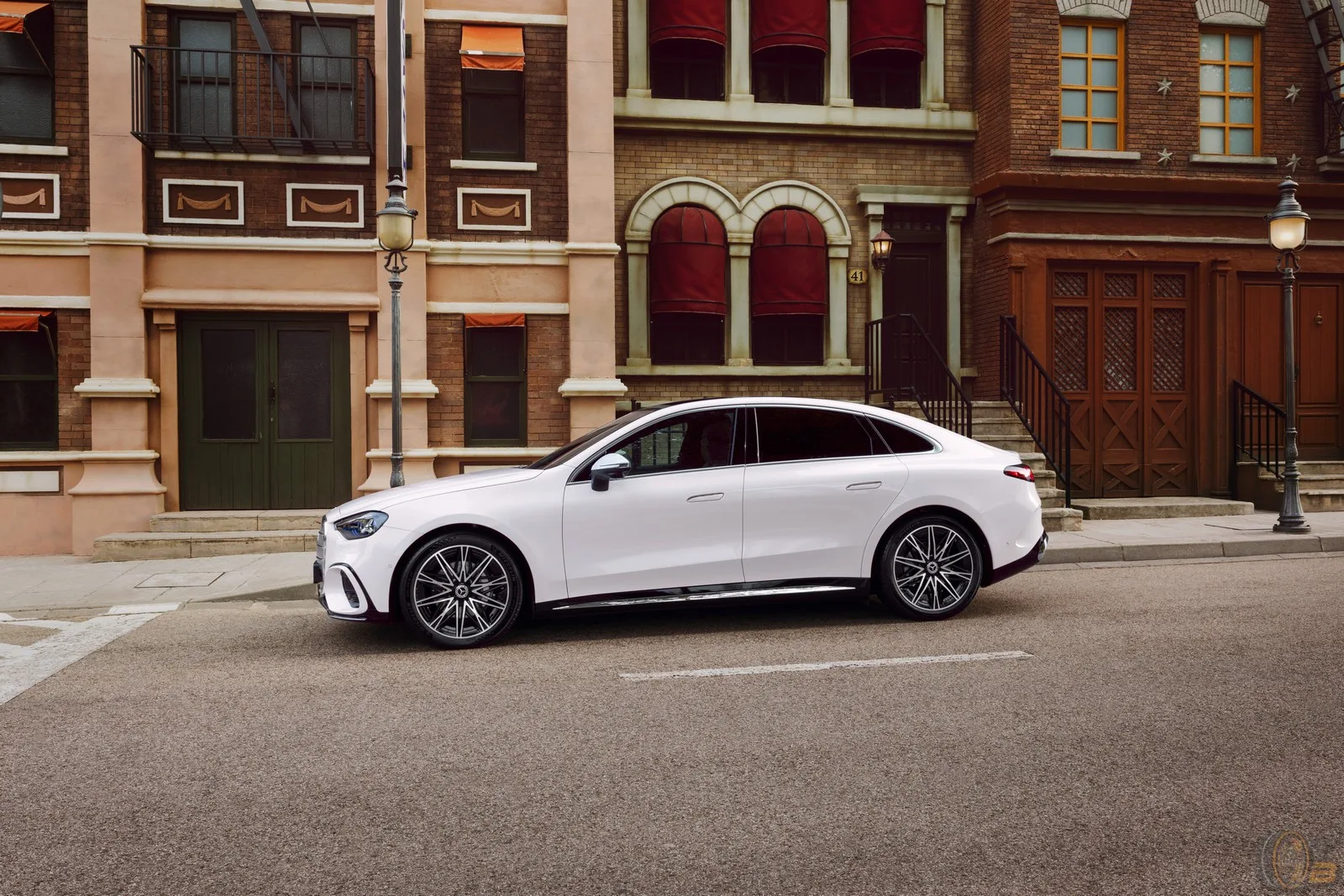
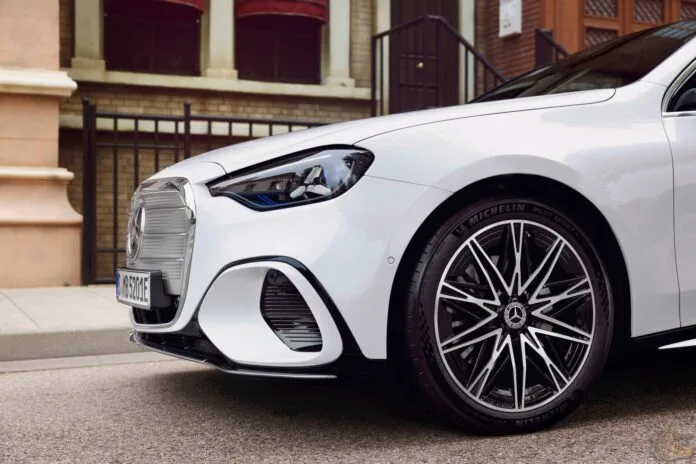
The transition to an electric platform allows designers to rethink proportions and surfaces.
Key visual changes include:
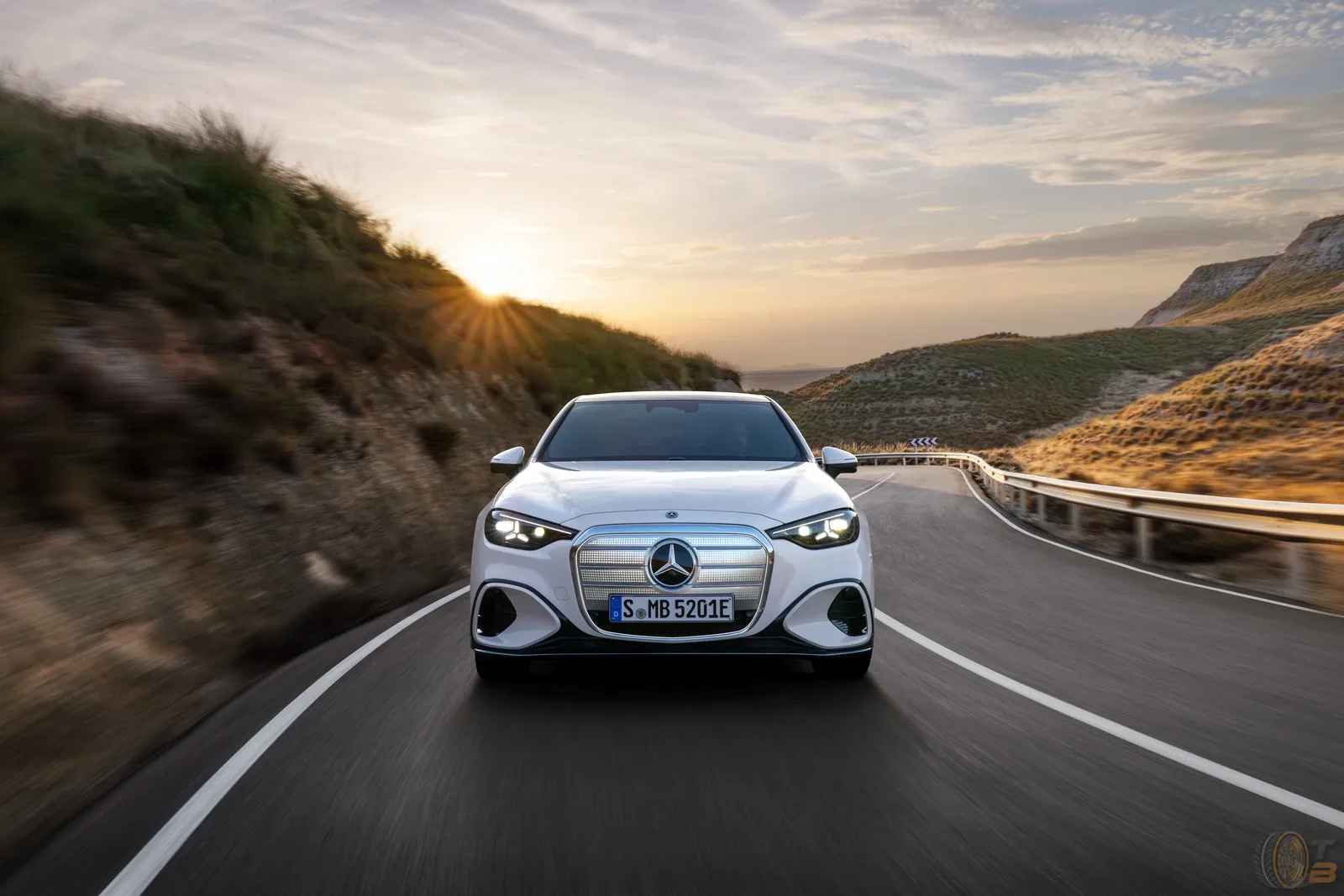
- smoother, more aerodynamic body lines
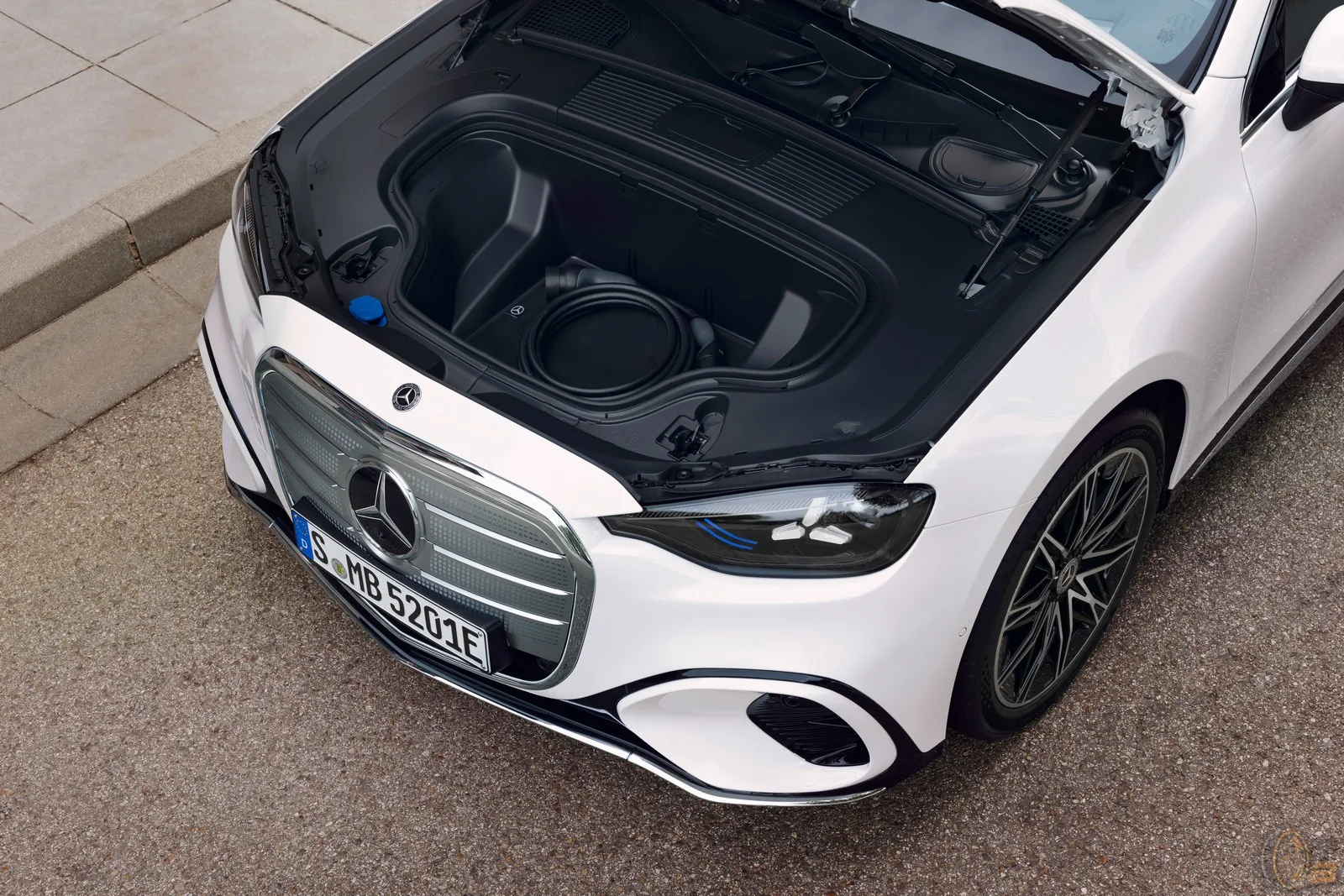
- closed-off front grille typical of EVs
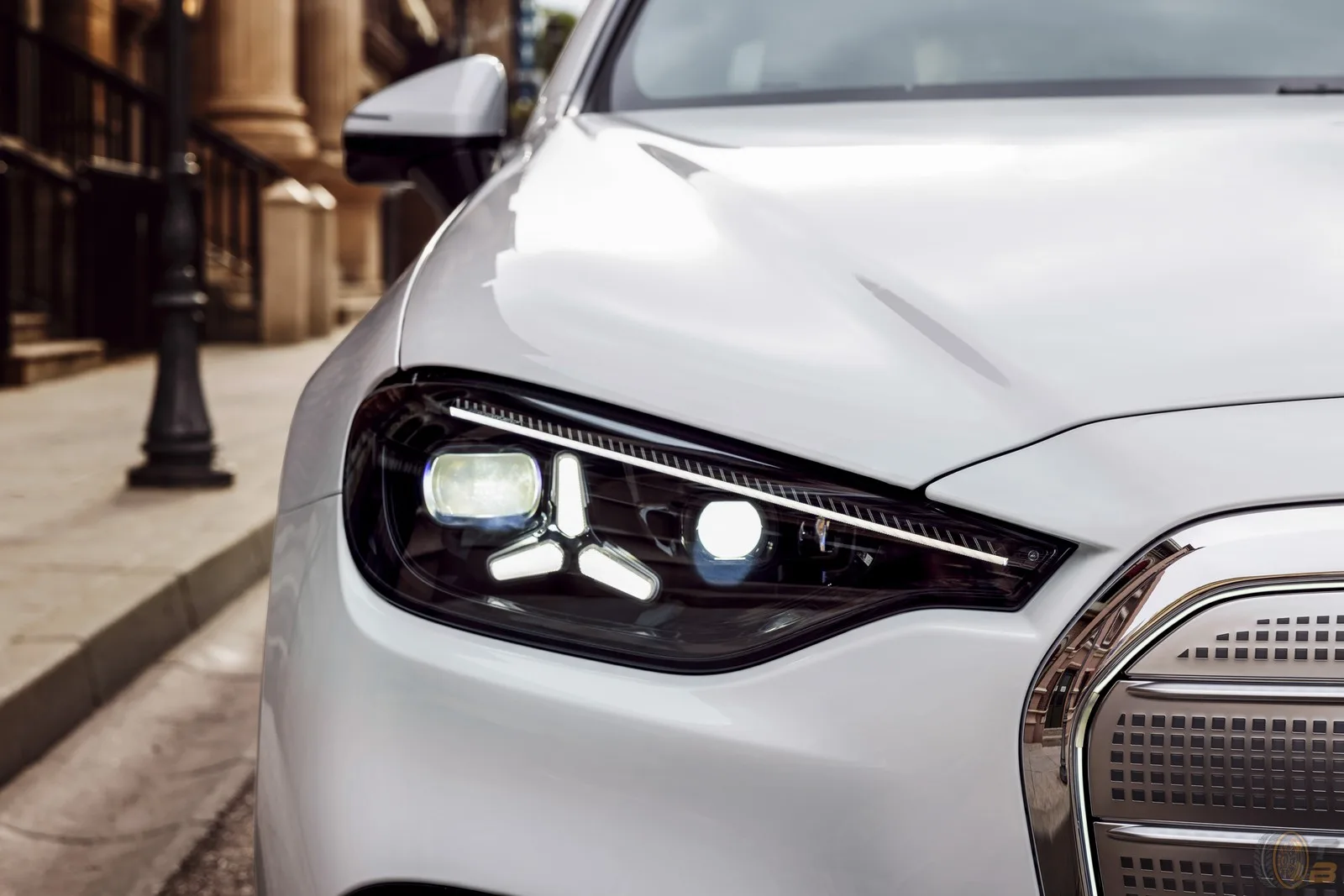
- futuristic lighting signatures
- optimized airflow elements
The result is a design that feels more fluid, modern, and efficiency-driven, compared to the sharper look of combustion variants.
Aerodynamics and efficiency at the core
Electric vehicles depend heavily on efficiency, and the Mercedes C-Class EQ reflects this through:
- reduced drag coefficient
- optimized body shape
- minimal surface interruptions
These changes are not just visual—they directly impact:
- driving range
- energy consumption
- overall performance efficiency
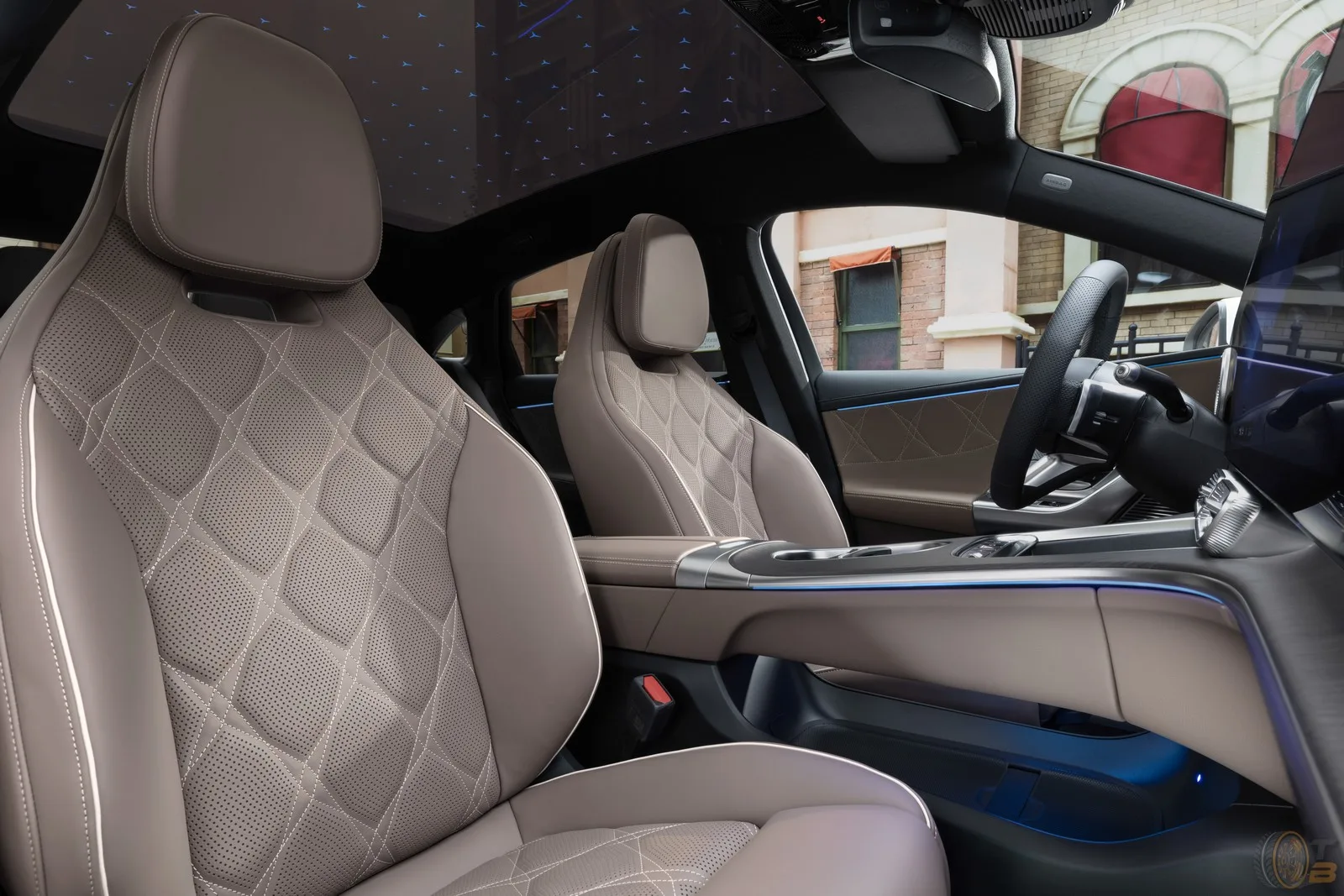
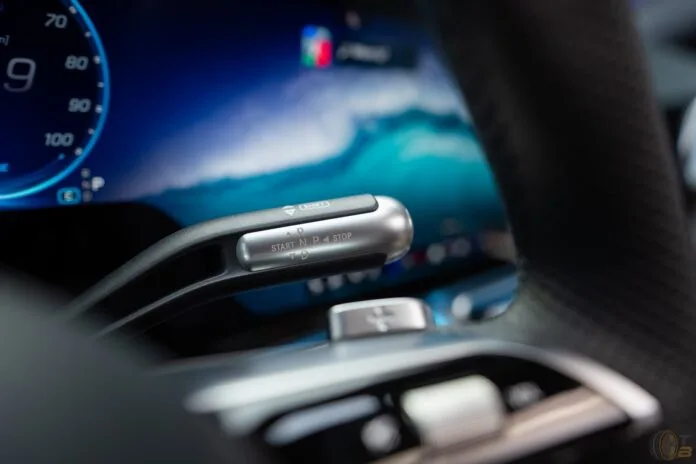
Interior – digital and minimalist
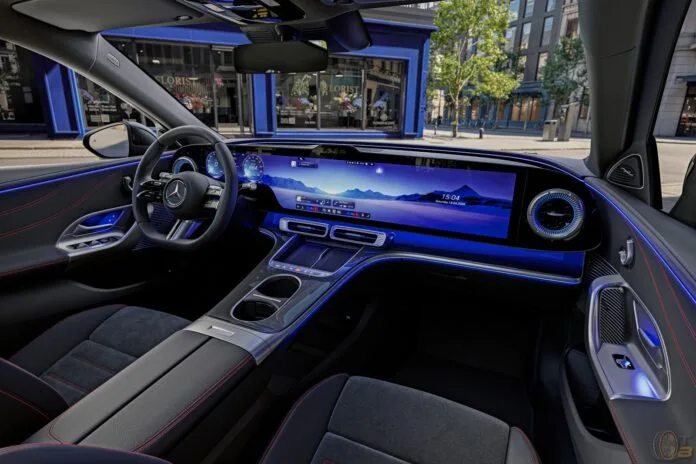
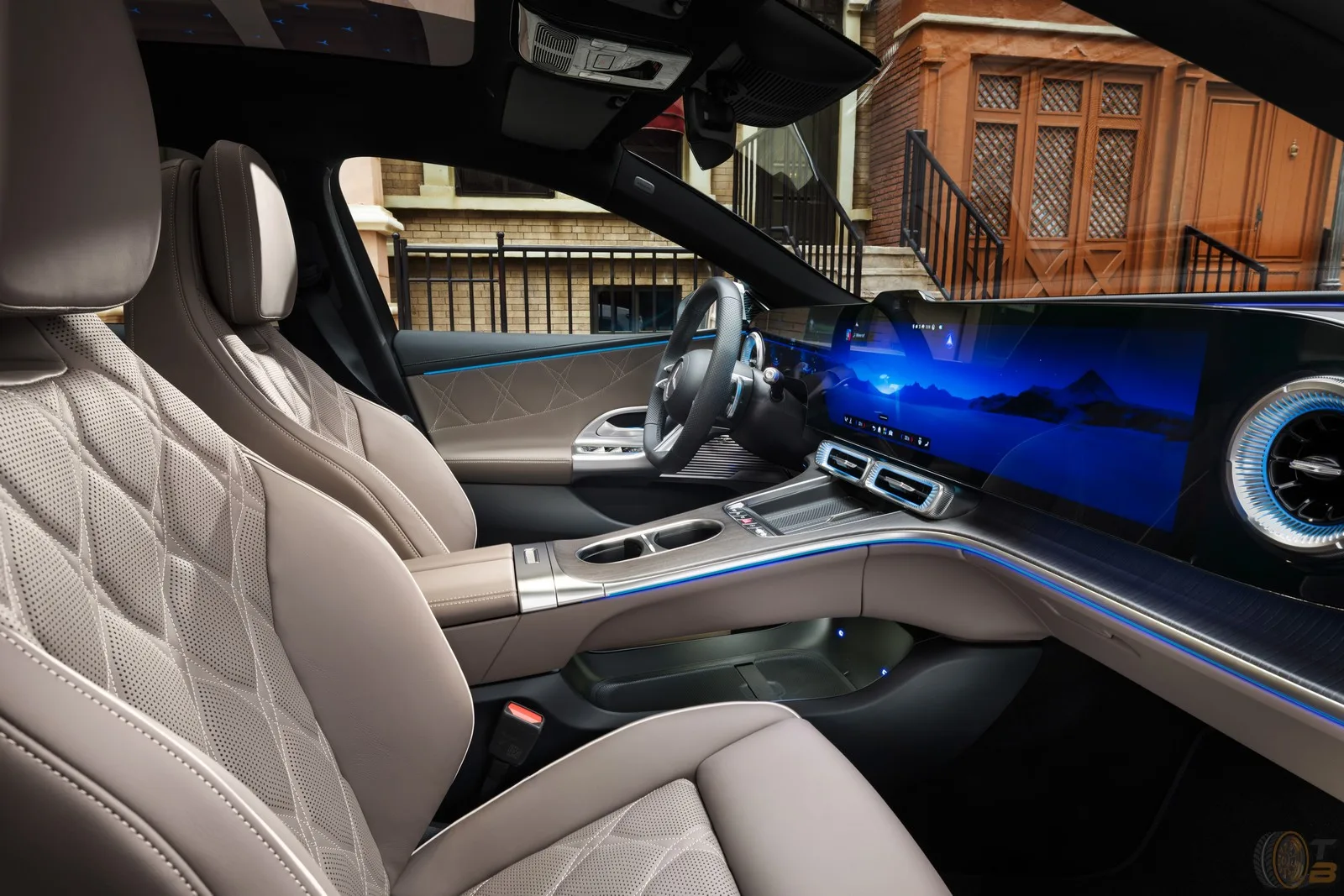
Inside, the shift toward electrification is even more visible.
The C-Class EQ concept focuses on:
- large digital displays
- simplified control layout
- high level of connectivity
- premium materials with a modern feel
The interior becomes a digital environment, rather than a traditional cockpit.
Electric performance expectations
Although exact figures depend on final production versions, the concept suggests:
- instant torque delivery typical of EVs
- smooth and silent acceleration
- improved energy management systems
The focus shifts from raw engine sound to efficiency and responsiveness.
Role of tuning in electric vehicles
Even in an electric context, tuning remains relevant.
Specialists like Mercedes-Benz partners and aftermarket builders explore:
- aerodynamic upgrades
- software optimizations
- visual customization
However, the nature of tuning is changing:
👉 less mechanical modification, more software and design-based improvements
Why this concept matters
The Mercedes C-Class EQ signals a major shift:
- traditional model lines are evolving into electric versions
- design is increasingly driven by efficiency
- user experience becomes digital-first
This is not just a new car—it represents the future direction of an entire segment.
Market positioning
An electric C-Class would compete directly with:
- Tesla Model 3
- BMW i4
- Polestar 2
This is one of the most competitive segments in the EV market.
Conclusion
The Mercedes C-Class EQ concept demonstrates how a traditional luxury sedan can evolve into a modern electric vehicle.
By combining:
- advanced aerodynamics
- digital interior design
- electric performance
Mercedes is preparing the C-Class for the next generation of mobility.
Source: Elektrische Mercedes C-Klasse EQ: Hightech-Limo mit starker Reichweite!
✍️ Author: Bejenaru Alexandru Ionut – [email protected]
🔗 Internal link: https://diagnozabam.ro/sfaturi

Recommendation: Looking for a professional bi-directional diagnostic tool with full system coverage? Use code DIAGNOZABAM for 10% off.
Transparency note: Affiliate link. Purchasing through it costs you nothing extra. View Thinkcar Deal →
