

Before buying a car, every driver checks the fuel consumption figures. But how accurate are those official numbers? To understand this, we must first know the WLTP meaning, because it is the modern, globally harmonized procedure that determines the official fuel consumption and CO₂ emissions of every new vehicle sold in Europe.
Since September 2018, the WLTP (Worldwide Harmonized Light Vehicles Test Procedure) has fully replaced the outdated NEDC cycle, offering more realistic and reliable results based on real driving scenarios.
WLTP meaning – clear and simple definition
WLTP is an international laboratory test designed to measure a vehicle’s fuel consumption, CO₂ emissions, and range for hybrid and electric vehicles.
It was created to represent modern-day driving more accurately, using dynamic accelerations, higher speeds, and variable gear shifts.
Its purpose is straightforward:
👉 to provide values that genuinely reflect real-world driving conditions.
Why WLTP replaced the NEDC test
The previous system, NEDC (New European Driving Cycle), was developed in the 1980s. At that time:
- cars were lighter
- traffic was simpler
- fewer electrical systems drained energy
- speeds were lower
- emissions requirements were minimal
Because of this, NEDC produced consumption values far from reality. Drivers constantly noticed that real-world fuel usage was higher than what manufacturers declared.
WLTP solves this by reflecting modern cars, modern roads, and modern driving behavior.
How WLTP testing is performed
WLTP uses a chassis dynamometer, a set of rollers on which the vehicle “drives” in a controlled environment. But the new cycle is far more detailed and realistic than NEDC.
Key elements of WLTP:
1. Longer test duration
- NEDC: 20 minutes
- WLTP: 30 minutes
2. Greater distance simulated
- NEDC: 11 km
- WLTP: 23.25 km
3. Four driving phases that reflect real traffic
- Low speed (urban)
- Medium speed (suburban)
- High speed (road)
- Extra-high speed (motorway)
These phases cover everything from stop-and-go city traffic to high-speed motorway driving.
4. Higher speeds
- Average speed: 46.5 km/h
- Maximum speed: 131 km/h
5. Vehicle configuration and weight included
WLTP considers each car’s:
- optional equipment
- wheel and tire size
- added mass
- passenger and cargo load
These factors significantly change consumption.
6. Dynamic gearshift points
Unlike NEDC, WLTP adjusts gear changes based on:
- engine type
- torque
- performance
- transmission ratio
This creates more accurate results.
WLTP timeline in Europe
- 1 September 2017: WLTP introduction begins
- 1 September 2018: WLTP becomes mandatory for new vehicle approval
- 1 January 2019: All showroom cars must display WLTP values only
From this moment, NEDC was completely phased out.
RDE – Real Driving Emissions (the real-world test)
Besides WLTP laboratory testing, vehicles must also undergo a Real Driving Emissions (RDE) test. This is performed on public roads, using portable measurement equipment.
Allowed deviation limits:
- Until 2019: 2.1
- Until 2020: 1.5
RDE ensures manufacturers cannot optimize cars only for laboratory conditions.
WLTP vs NEDC – side-by-side comparison
| Feature | NEDC | WLTP |
|---|---|---|
| Test duration | 20 minutes | 30 minutes |
| Distance | 11 km | 23.25 km |
| Driving phases | 2 | 4 |
| Average speed | 34 km/h | 46.5 km/h |
| Maximum speed | 120 km/h | 131 km/h |
| Vehicle weight | ignored | included |
| Gearshift | fixed | vehicle-specific |
| Temperature | 20–30°C | CO₂ calculated at 14°C |
| Consumption values shown | single average | min–max range |
What WLTP means for actual fuel consumption
Under WLTP, official fuel consumption figures are typically 10–30% higher compared to NEDC.
But this increase is not because cars suddenly consume more — it’s because:
- testing speeds are higher
- accelerations are stronger
- real vehicle weight is included
- gearshifts are realistic
- conditions are closer to real roads
So WLTP gives numbers that match what drivers see on their dashboard.
👉 WLTP = transparency + accuracy.
Conclusion: WLTP brings realistic data to car buyers
Understanding the WLTP meaning is essential for anyone comparing cars, especially in today’s market where fuel economy and emissions are key factors. WLTP represents the way modern vehicles are actually used and replaces unrealistic, outdated testing methods.
For consumers, WLTP means better decisions, more accurate expectations, and more transparency in the automotive market.
Useful links
🔗 External authoritative source: https://www.transportenvironment.org
✍️ Author: Bejenaru Alexandru Ionut – [email protected]
🔗 Internal link: https://diagnozabam.ro/sfaturi
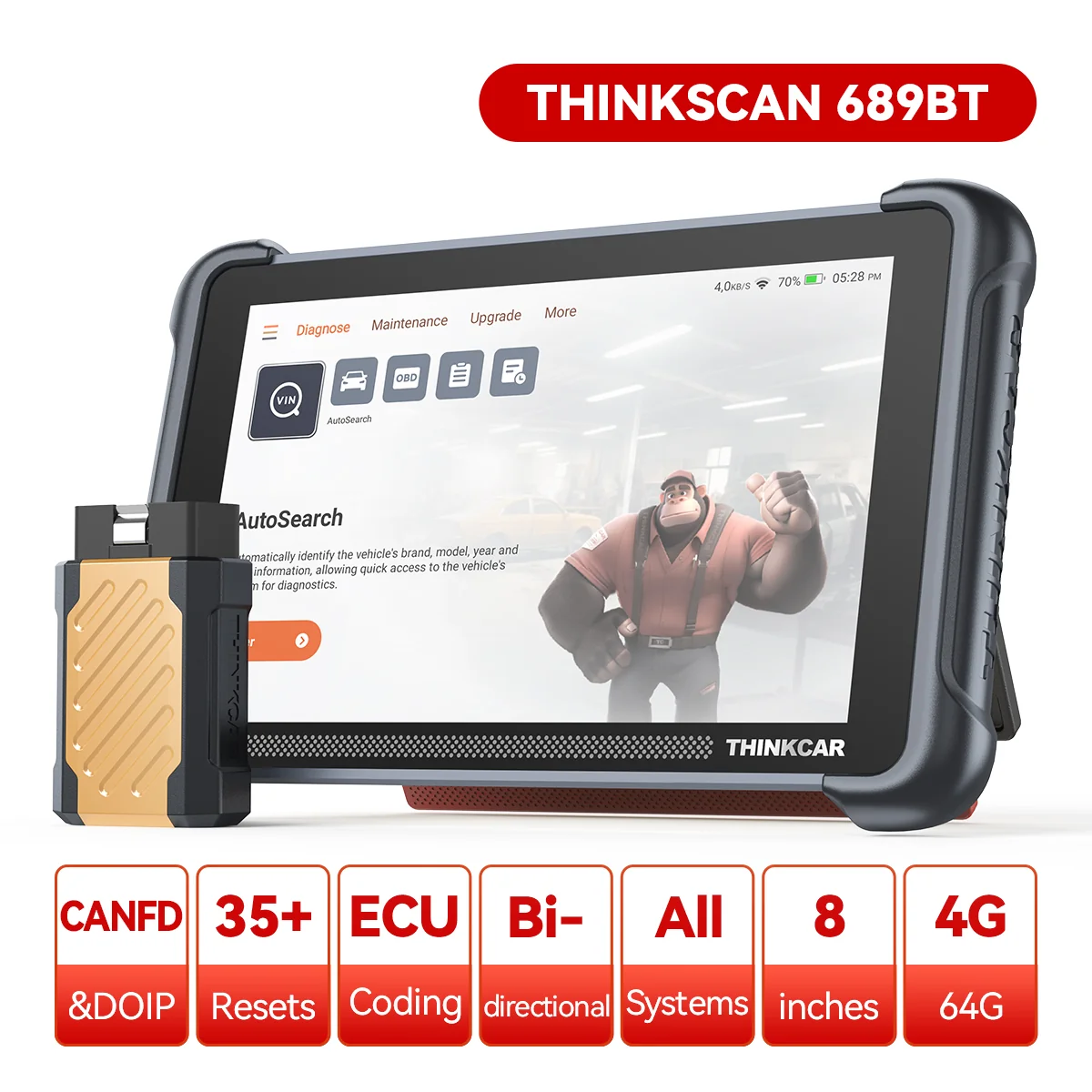
Recommendation: Looking for a professional bi-directional diagnostic tool with full system coverage? Use code DIAGNOZABAM for 10% off.
Transparency note: Affiliate link. Purchasing through it costs you nothing extra. View Thinkcar Deal →
