
Audi refines its compact electric SUV
The Audi Q4 e-tron has been a key model in Audi’s transition to electric mobility. Positioned as a practical and accessible premium EV, it targets a wide audience in the growing compact electric SUV segment.
With the facelift, Audi focuses on technical improvements rather than radical redesign, aiming to address real-world usability—range, efficiency, and software experience.
Design: subtle changes, cleaner execution
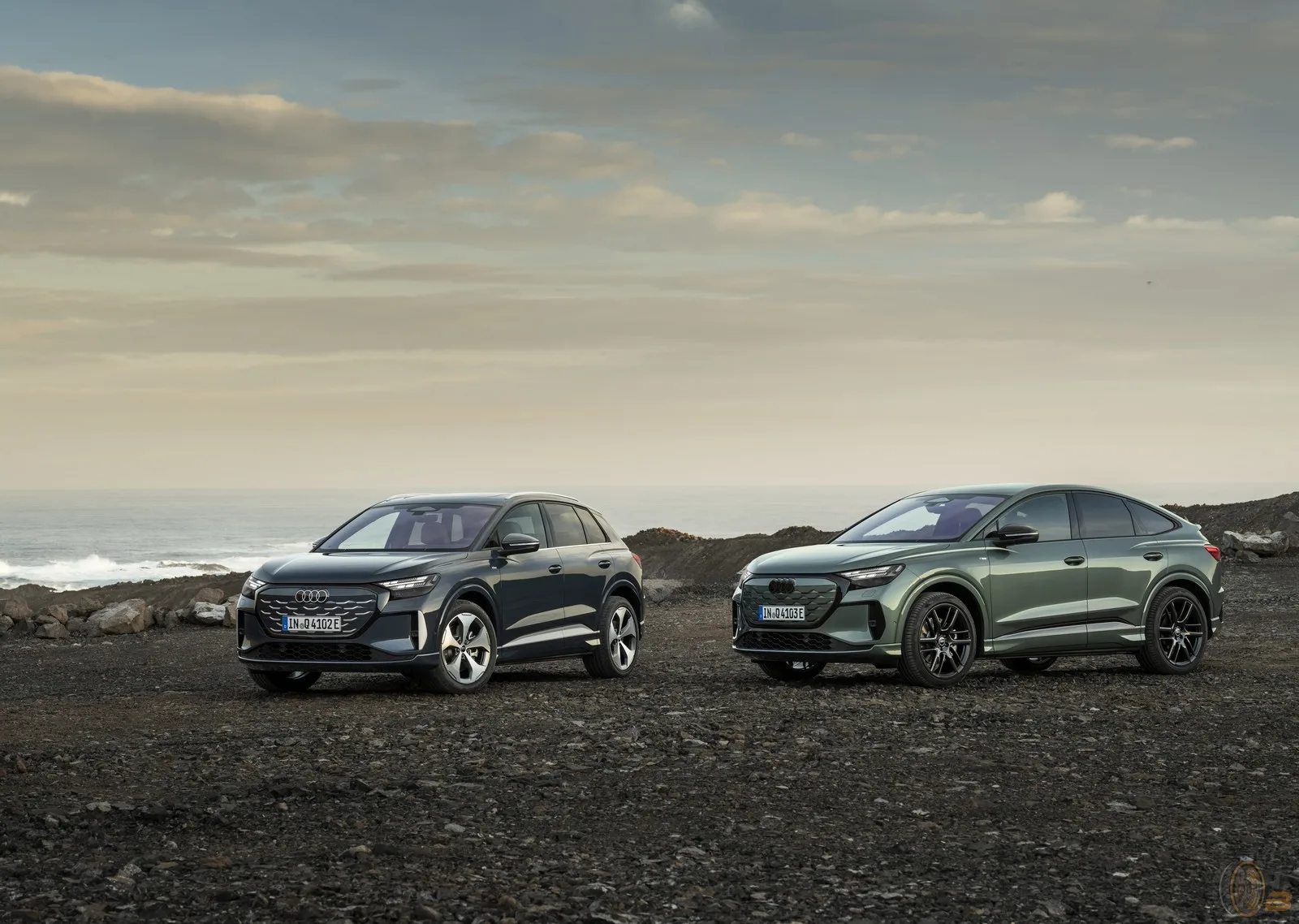
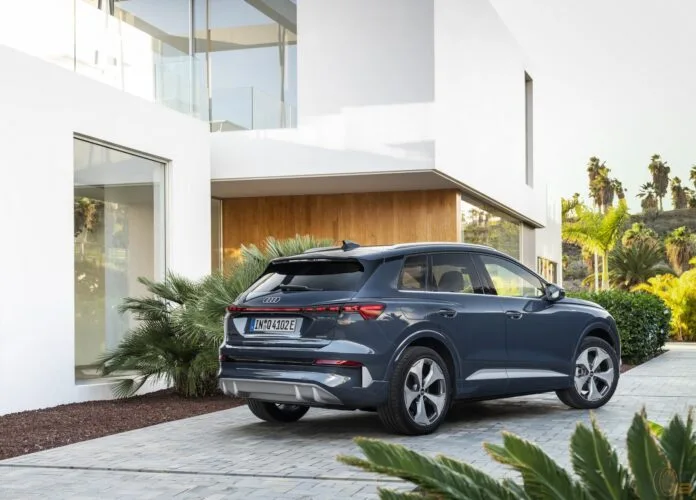
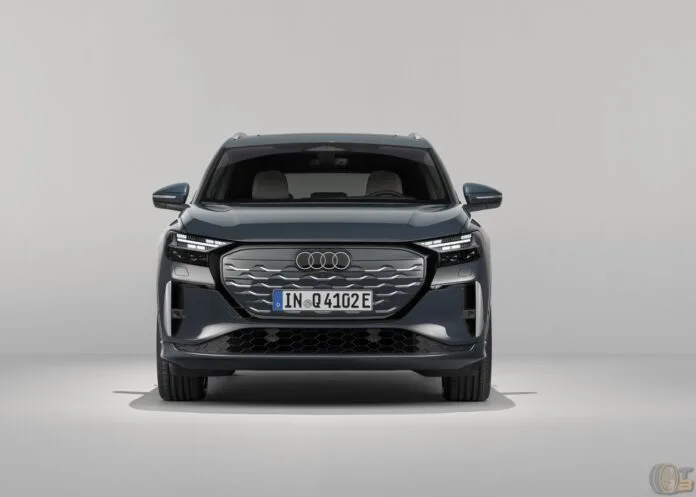
At first glance, the Audi Q4 e-tron facelift does not appear dramatically different. That is intentional.
Updates include:
- refined front grille design (closed EV-style surface)
- updated LED lighting signatures
- improved aerodynamic detailing
- minor adjustments to body lines
The overall design becomes:
- cleaner
- more modern
- better integrated
Audi avoids unnecessary aggression and instead focuses on precision and clarity.
P0254 Code – Injection Pump Fuel Metering Control Intermittent
Efficiency and range improvements
One of the most important updates comes under the surface.
The facelift introduces:
These changes directly impact:
- driving range
- energy consumption
- long-distance usability
In real-world terms, this means:
👉 fewer charging stops
👉 more predictable range behavior
Charging and battery optimization
Audi continues to improve charging performance:
- faster DC charging capability
- improved charging curve stability
- better battery management software
This reduces one of the main concerns for EV users:
👉 charging time
Even small improvements here make a significant difference in daily use.
P0253 Code – Injection Pump Fuel Metering Control High Input
Interior: digital refinement over redesign
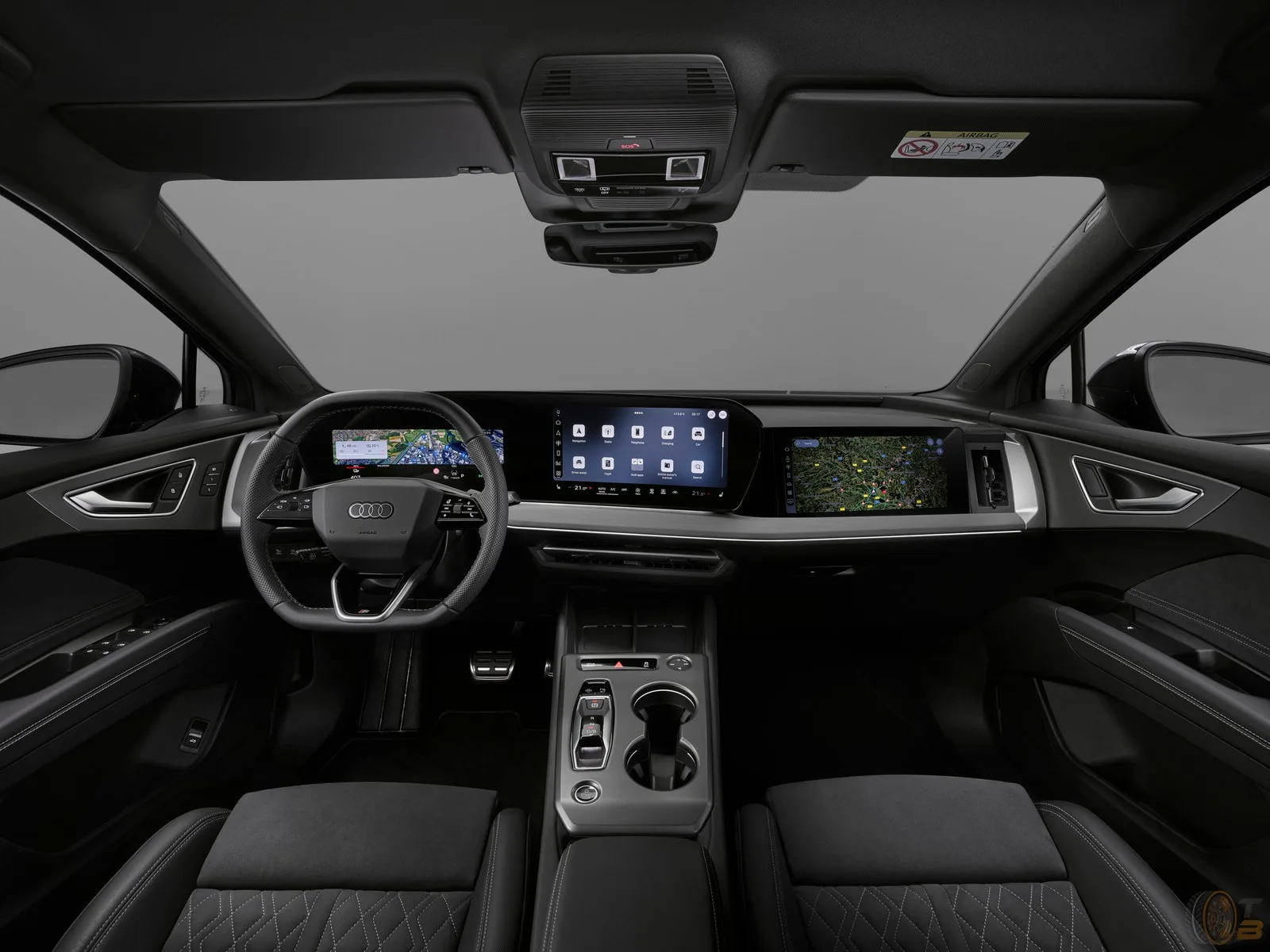
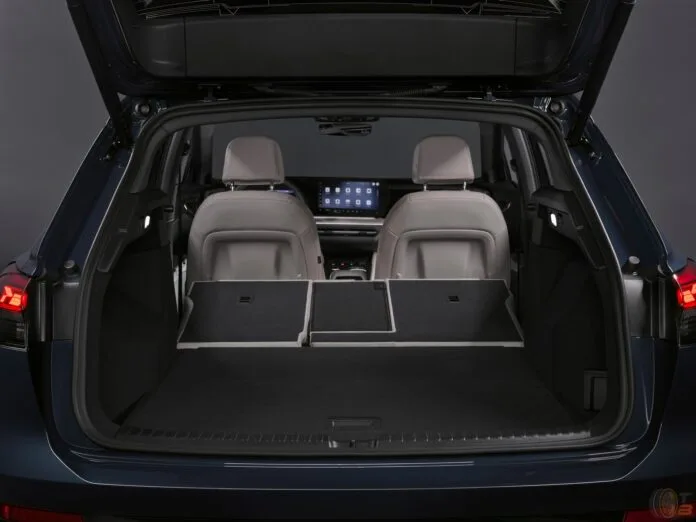
Inside, the Q4 e-tron facelift builds on an already digital-focused cabin.
Key improvements include:
- updated infotainment system
- faster interface response
- improved software stability
- enhanced connectivity features
The layout remains familiar, but usability is improved.
This reflects a broader shift:
👉 EV updates are increasingly software-driven
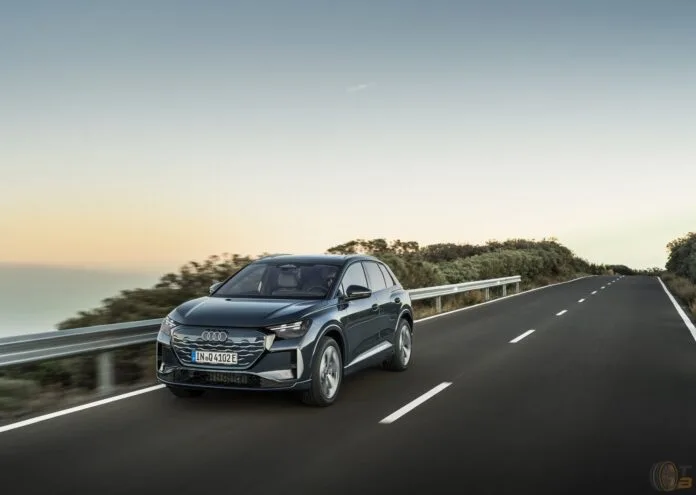
Driving experience: smoother and more refined
Audi focuses on making the car feel more natural to drive:
- smoother acceleration response
- improved throttle calibration
- better ride comfort
The Q4 e-tron is not designed as a performance EV.
It is designed to feel:
- predictable
- comfortable
- easy to live with
Position in the EV market
The Audi Q4 e-tron facelift competes directly with:
- Tesla Model Y
- BMW iX1
- Mercedes-Benz EQA
Each competitor focuses on different strengths:
- Tesla → software and charging network
- BMW → driving dynamics
- Mercedes → comfort
Audi positions itself between them, focusing on balance.
Why this facelift matters
This update reflects a key change in the industry:
👉 EVs are evolving through optimization, not reinvention
Instead of new models, manufacturers are:
- improving efficiency
- refining software
- enhancing usability
The bigger trend: mature EV development
Early EVs focused on proving the concept.
Now, models like the Q4 e-tron show the next phase:
- refinement
- stability
- real-world improvements
This is where EVs become:
👉 easier to adopt
👉 more competitive with traditional cars
Conclusion
The Audi Q4 e-tron facelift is not about dramatic change.
It is about getting the details right.
By improving:
- efficiency
- charging
- software
- overall refinement
Audi strengthens its position in one of the most competitive EV segments.
It is a quieter update—but an important one.

✍️ Author: Bejenaru Alexandru Ionut – [email protected]
🔗 Internal link: https://diagnozabam.ro/sfaturi

