
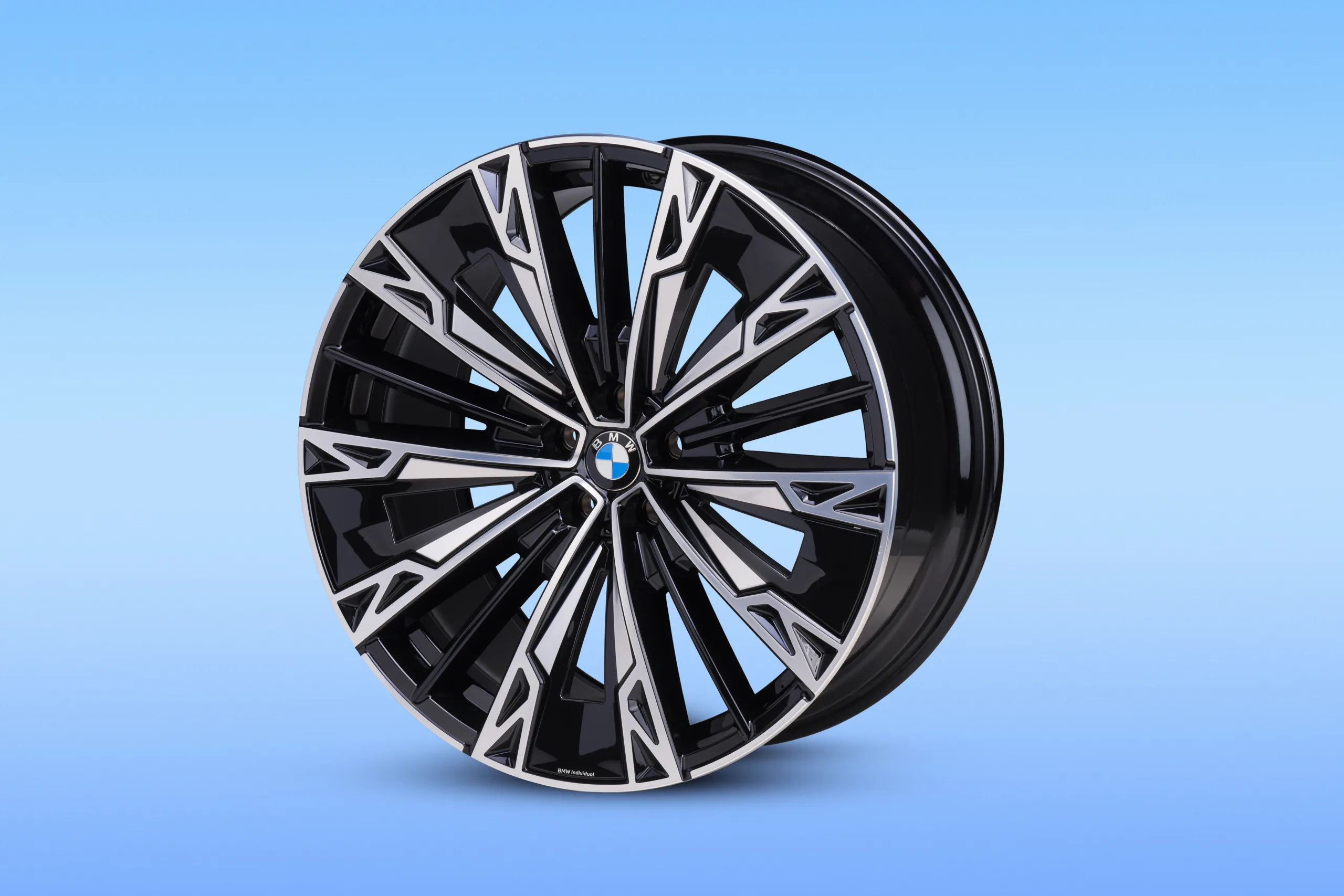
BMW i7 pushes sustainability beyond electric driving
The BMW i7 is not just an electric luxury sedan. It represents a broader shift in how vehicles are designed, built, and delivered, with a strong focus on sustainable production and lifecycle impact.
While most attention goes to zero-emission driving, BMW is targeting something deeper: reducing environmental impact throughout the entire production chain.
Sustainable production at the core of BMW i7
BMW has integrated sustainability directly into the development and manufacturing process of the i7. This includes:
- use of renewable energy in production plants
- reduction of CO₂ emissions per vehicle
- optimized supply chains with lower environmental impact
- increased use of recycled and secondary raw materials
The goal is clear: reduce emissions not just on the road, but before the car even reaches the customer.
Innovative materials and responsible sourcing
The BMW i7 uses a growing number of sustainable materials, including:
- recycled plastics in interior and structural components
- responsibly sourced aluminum
- eco-certified wood and trim elements
- reduced use of rare materials where possible
BMW is also focusing on traceability of raw materials, especially in battery production, to ensure ethical sourcing and environmental responsibility.
Battery production and energy efficiency
Battery manufacturing remains one of the most resource-intensive parts of EV production. BMW addresses this by:
- sourcing battery cells from suppliers using green energy
- improving energy efficiency in battery assembly
- reducing reliance on critical raw materials
This significantly lowers the overall carbon footprint of the BMW i7.
Circular economy approach
BMW applies a circular economy model to the i7:
- materials are designed for recycling and reuse
- production waste is minimized
- components are easier to disassemble at end-of-life
This approach ensures that the vehicle remains sustainable even after its operational lifecycle ends.
Production powered by renewable energy
The BMW i7 is manufactured in facilities that increasingly rely on:
- solar energy
- wind energy
- low-carbon electricity sources
This reduces emissions during production and supports BMW’s long-term sustainability goals.
Why this matters in the EV market
Electric vehicles are often marketed as zero-emission, but production emissions still matter.
With the i7, BMW is addressing a key industry issue:
👉 sustainability is not just about driving — it’s about how the car is made
This positions the BMW i7 as a more complete solution in the premium EV segment.
Conclusion
The BMW i7 sustainable production strategy shows how the automotive industry is evolving beyond electrification.
By combining:
- eco-friendly materials
- responsible sourcing
- renewable energy
- circular production methods
BMW delivers a vehicle that is not only electric, but designed for a lower environmental impact from start to finish.
Source: Noul BMW i7: dezvoltare durabilă în produs și în producția lui
P0221 Code – Throttle/Pedal Position Sensor B Range/Performance
✍️ Author: Bejenaru Alexandru Ionut – [email protected]
🔗 Internal link: https://diagnozabam.ro/sfaturi
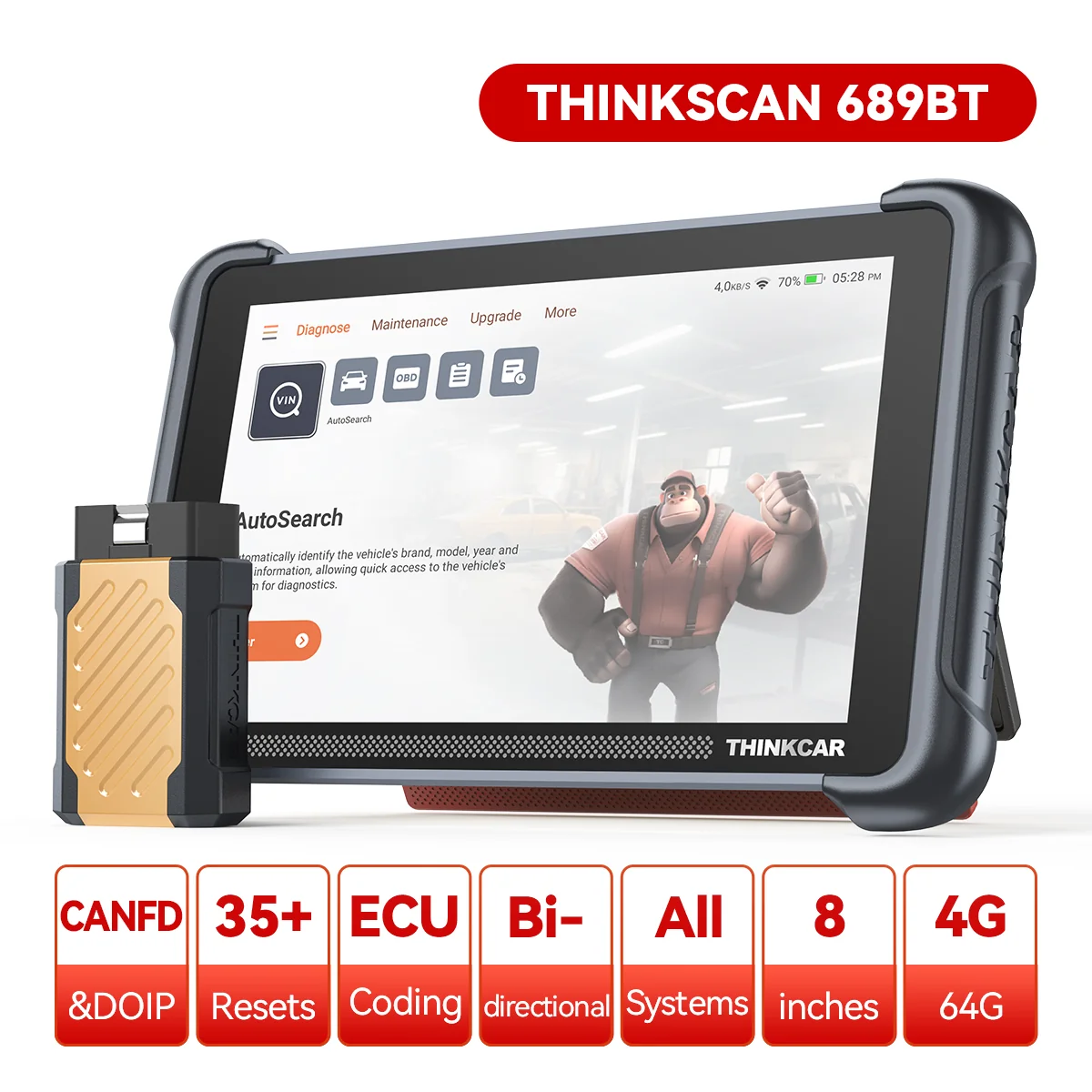
Recommendation: Looking for a professional bi-directional diagnostic tool with full system coverage? Use code DIAGNOZABAM for 10% off.
Transparency note: Affiliate link. Purchasing through it costs you nothing extra. View Thinkcar Deal →
