
Introduction: More Than a New Generation
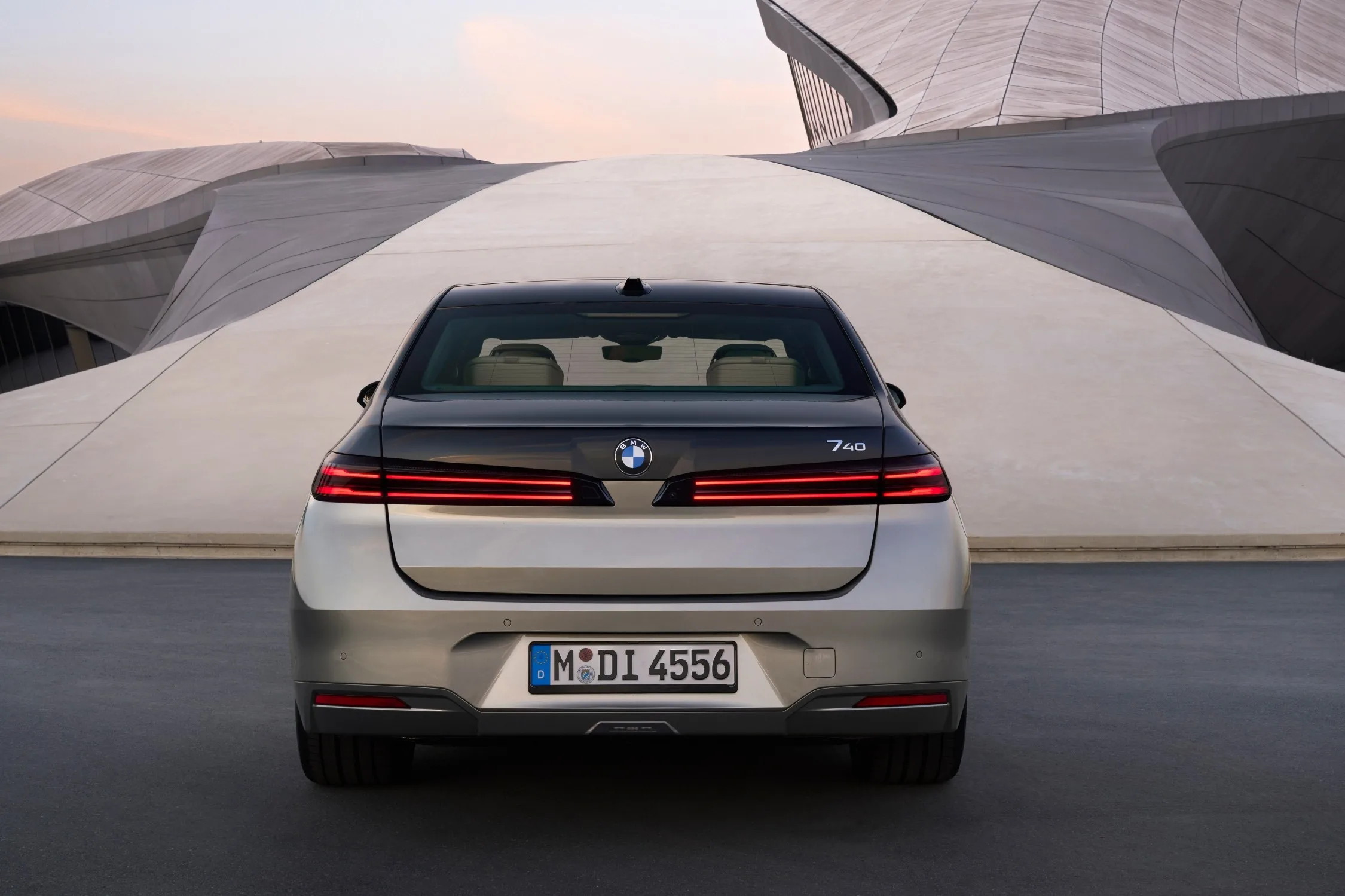
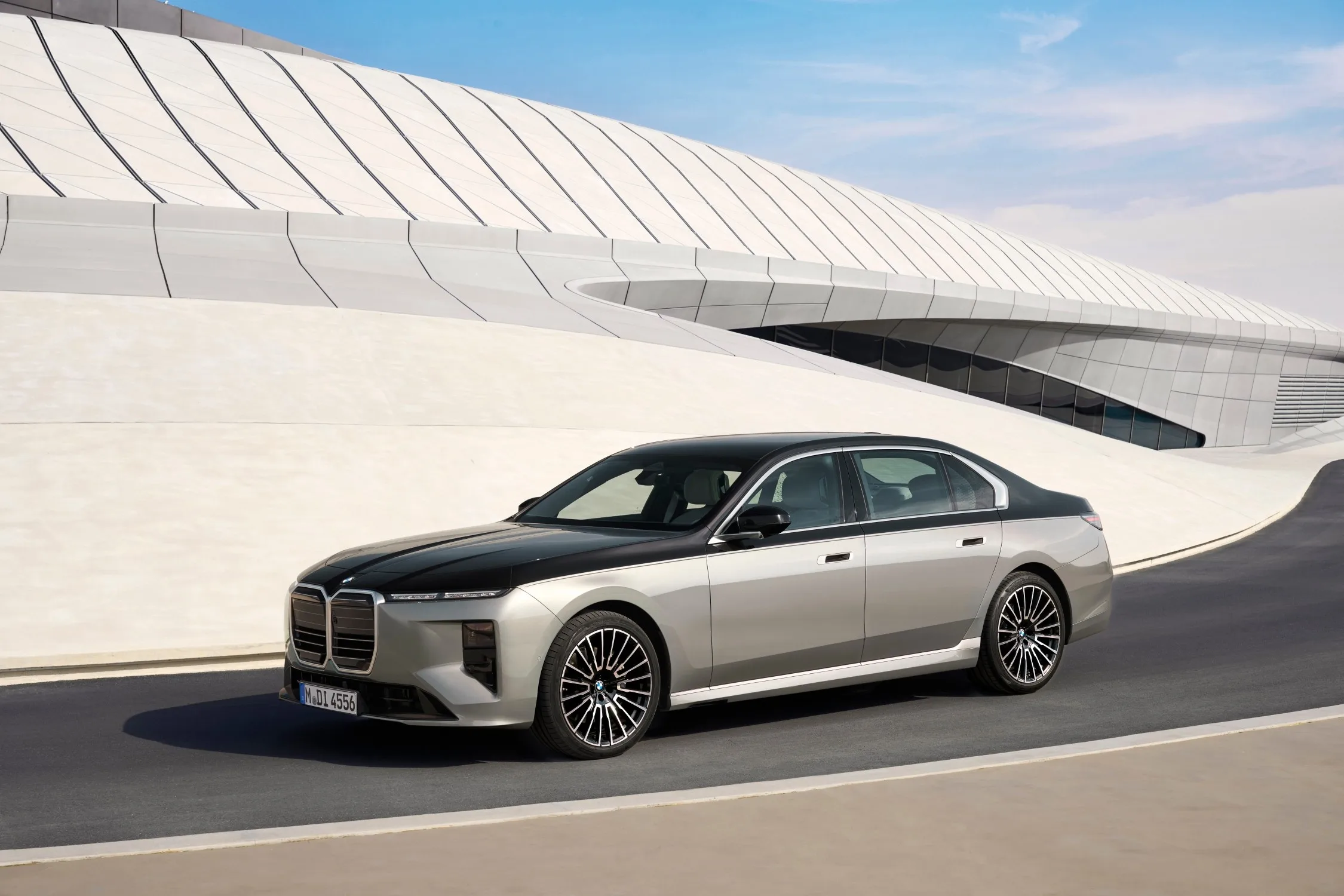
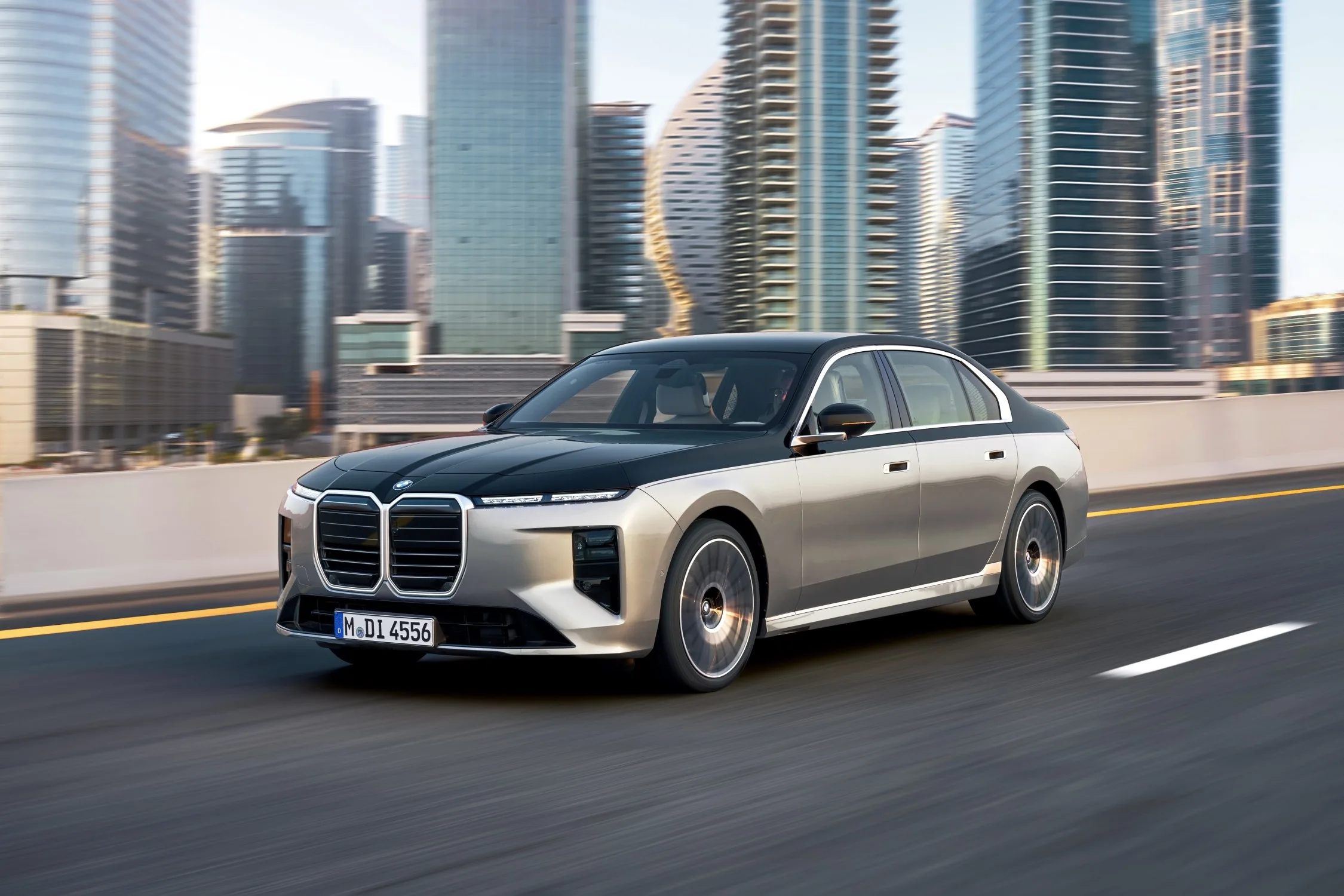
The latest BMW 7 Series is not just another update in the flagship sedan segment. It represents a fundamental shift in how premium vehicles are engineered, designed, and experienced.
BMW is no longer building a luxury car in the traditional sense. Instead, it is developing a multi-layered platform where:
- hardware
- software
- electrification
- user experience
all converge into a single system.
The new 7 Series is therefore not defined by one feature, but by the way all systems interact. It is simultaneously a luxury sedan, a digital device, and a future-ready mobility platform.
Opel Z17DTH: Motorul Diesel 1.7 CDTi – Caracteristici și Detalii
Platform Architecture and Structural Engineering
The new generation is based on BMW’s updated CLAR architecture, engineered to support multiple drivetrain configurations without compromising structural rigidity or interior space.
This platform allows the same body structure to accommodate:
From an engineering perspective, this approach ensures long-term flexibility while maintaining high safety standards and dynamic performance.
Key structural characteristics:
- reinforced chassis for battery integration
- optimized weight distribution
- increased torsional rigidity
- compatibility with advanced suspension systems
The integration of electric components within the same architecture required extensive redesign of floor structure and load-bearing elements, particularly for battery housing and impact protection.
Opel Z19DTH: Motorul Diesel 1.9 CDTi – Caracteristici și Detalii
Dimensions and Presence
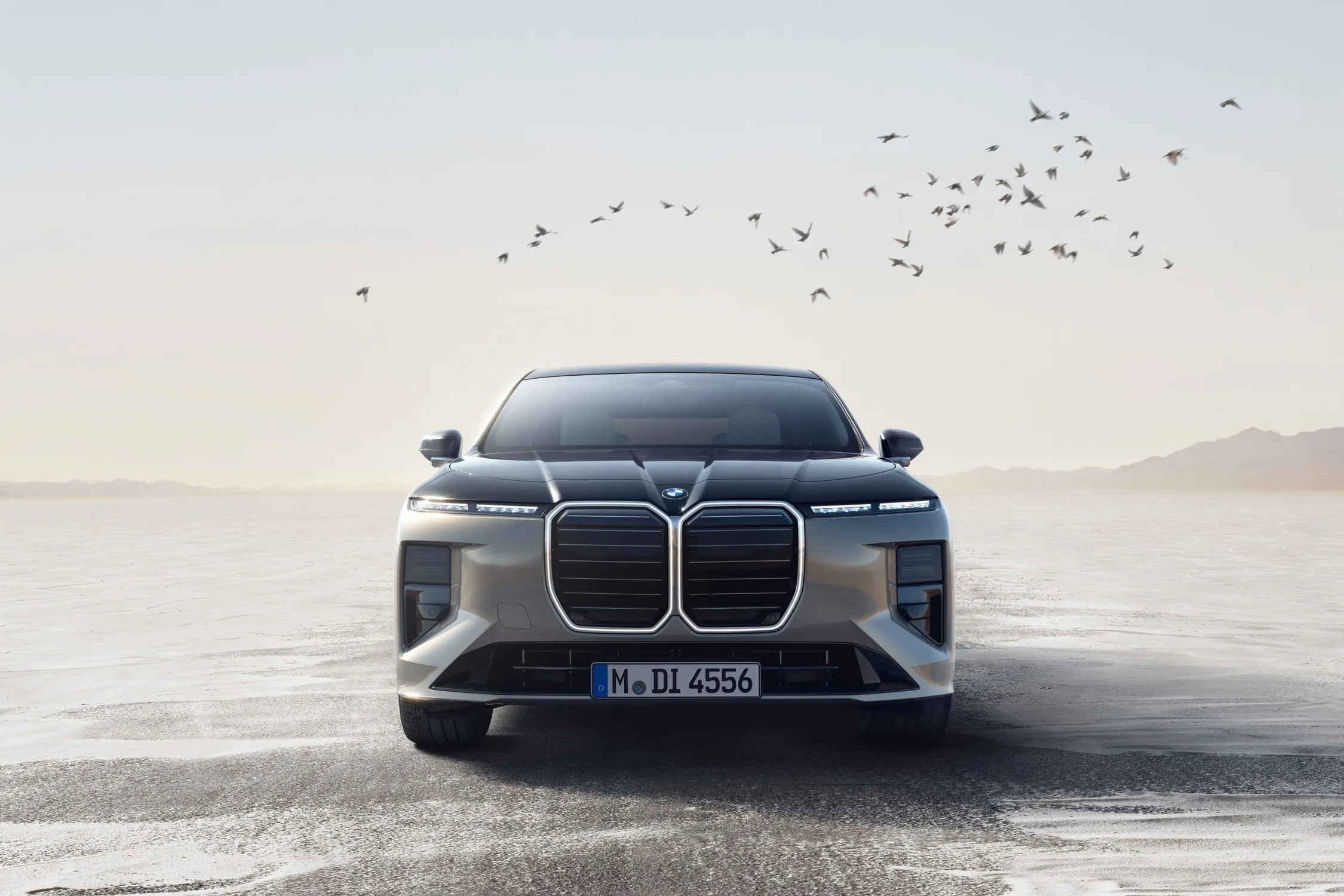
The new 7 Series is designed to dominate the luxury sedan segment through its physical presence.
Approximate dimensions:
- Length: ~5,390 mm
- Width: ~1,950 mm
- Height: ~1,545 mm
- Wheelbase: ~3,215 mm
These proportions directly impact:
- rear passenger comfort
- ride stability
- overall road presence
The extended wheelbase is especially important, as BMW continues to prioritize rear-seat experience in global markets where chauffeur-driven use is common.
Powertrain Portfolio: One Platform, Multiple Strategies
BMW’s decision to maintain a multi-powertrain strategy is one of the most important aspects of the new 7 Series.
Instead of forcing electrification, the brand offers a range of options tailored to different markets.
Ambreiajul Electromagnetic: Principii de Funcționare și Aplicații
Petrol Engines (Mild Hybrid)
The combustion lineup includes advanced turbocharged engines supported by 48V mild hybrid systems.
Typical configurations include:
- 3.0L inline-six turbocharged engine
- 4.4L V8 twin-turbo engine (high-performance variants)
These engines deliver:
- high torque at low RPM
- refined power delivery
- improved efficiency through hybrid assistance
The mild hybrid system contributes to:
- smoother start-stop operation
- energy recovery during braking
- reduced fuel consumption
Plug-in Hybrid (PHEV)
The plug-in hybrid versions combine internal combustion with electric propulsion.
Key technical characteristics:
- combined output: approximately 450–570 hp
- electric-only range: up to 80–100 km (WLTP)
- high-voltage battery integrated into chassis
This configuration allows:
- daily commuting in electric mode
- long-distance travel without range anxiety
- reduced emissions in urban environments
Fully Electric Version: BMW i7
The BMW i7 represents the most technologically advanced variant.
Technical specifications (depending on version):
- power output: 455 hp (i7 xDrive60) up to 660 hp (i7 M70)
- torque: up to ~1,000 Nm
- battery capacity: ~101.7 kWh usable
- range: up to ~600 km (WLTP)
Charging capabilities:
- DC fast charging up to 195 kW
- 10–80% charge in approx. 30–35 minutes
The i7 is designed to deliver:
- silent driving experience
- instant torque response
- maximum refinement
Chassis Systems and Driving Dynamics
Despite its size and focus on comfort, the 7 Series integrates advanced chassis technology.
Core systems include:
- adaptive air suspension
- rear-wheel steering (Integral Active Steering)
- active roll stabilization
- electronically controlled dampers
These systems work together to:
- improve high-speed stability
- enhance cornering behavior
- maintain ride comfort
Rear-wheel steering, in particular, reduces turning radius at low speeds and increases stability at higher speeds.
Jaguar Type 00: Un nou început pentru era electrică a brandului britanic
Interior Architecture: Digital and Functional
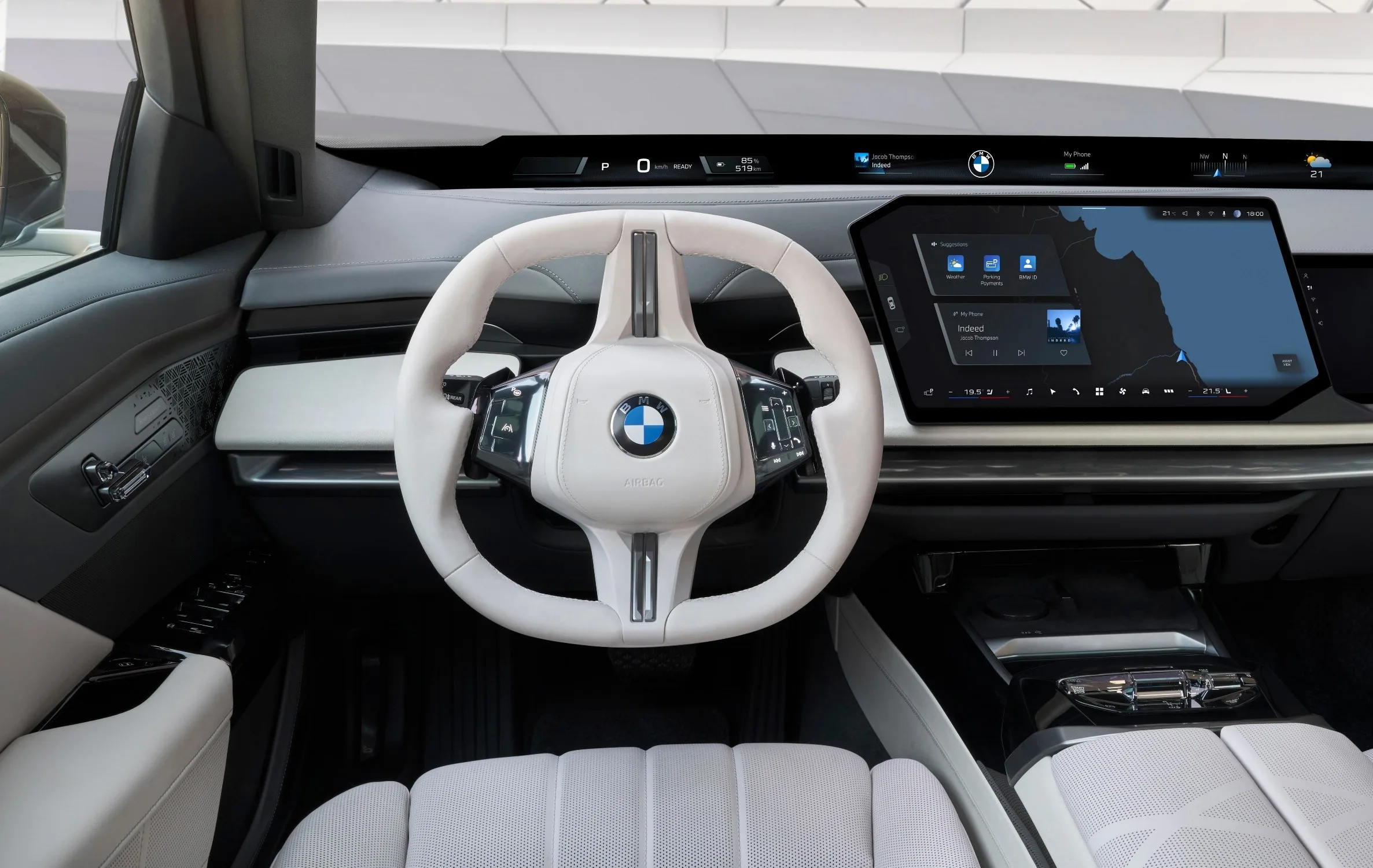
The interior represents one of the most significant transformations.
BMW has moved toward a digital-first design philosophy, where functionality replaces traditional luxury elements.
Main features:
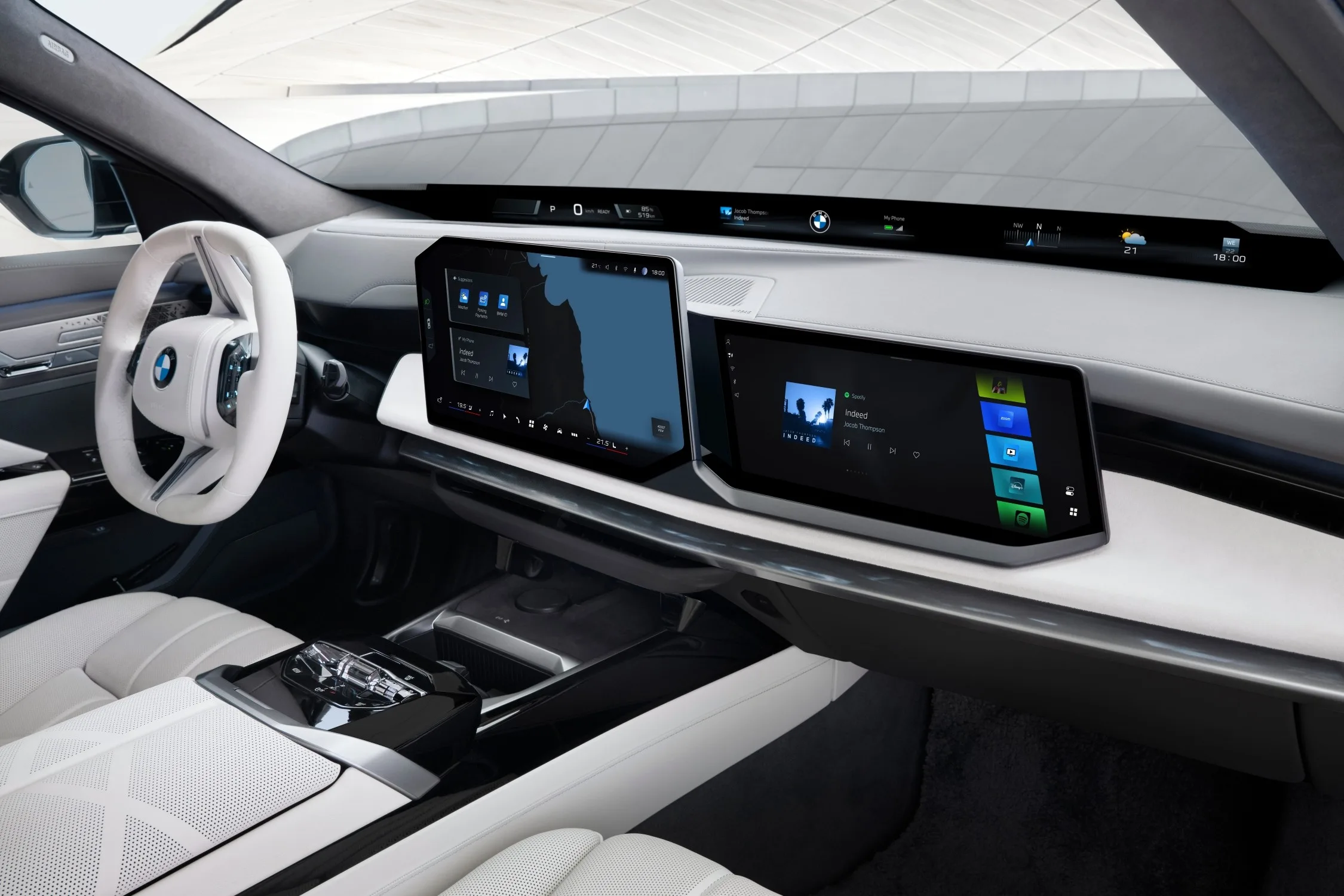
- BMW Curved Display (instrument cluster + infotainment)
- latest iDrive interface
- reduced number of physical controls
- customizable ambient lighting
The design focuses on:
- intuitive interaction
- minimal distraction
- high-resolution visual clarity
Rear Passenger Experience: A New Priority
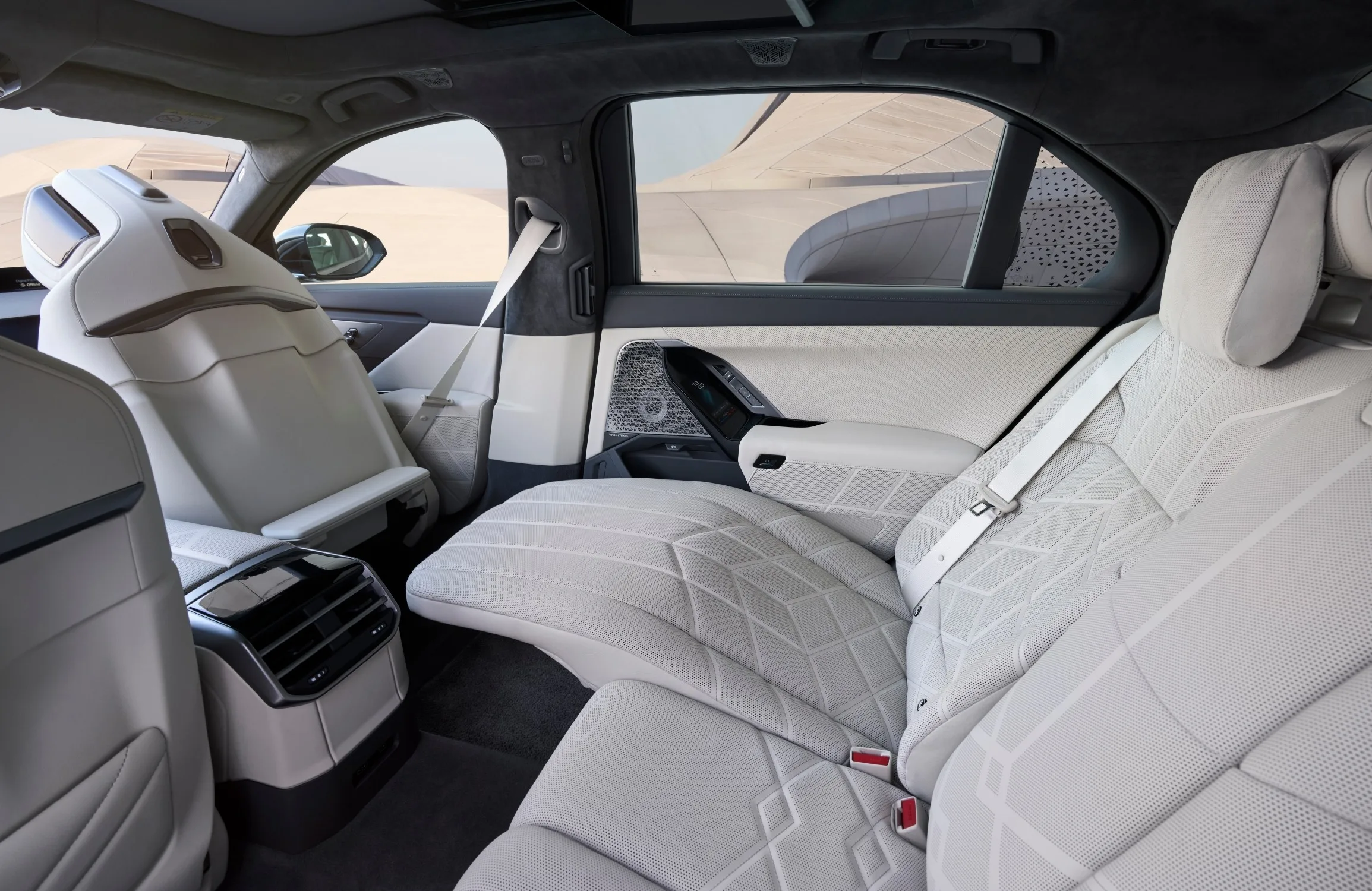
The new 7 Series places unprecedented emphasis on rear passengers.
Key features:
- 31-inch BMW Theatre Screen
- 8K resolution display
- integrated streaming services
- advanced seat adjustment and massage functions
The rear cabin becomes:
- a workspace
- an entertainment zone
- a relaxation environment
This reflects a shift toward luxury as experience, not just material quality.
Software and Connectivity
Software is now central to the vehicle’s functionality.
Capabilities include:
- over-the-air updates (OTA)
- cloud-based services
- smartphone integration
- voice control systems
This allows the vehicle to:
- receive new features over time
- improve system performance
- remain up-to-date without physical modifications
Safety and Driver Assistance
The 7 Series integrates advanced safety systems:
- adaptive cruise control
- lane-keeping assist
- automated parking systems
- highway assist (semi-autonomous driving)
These features aim to reduce driver workload while maintaining safety.
Materials and Sustainability
BMW combines traditional luxury materials with modern sustainability goals.
Materials include:
- premium leather and textiles
- wood and metal finishes
- sustainable interior options
The focus is shifting toward:
- reduced environmental impact
- long-term material durability
- modern luxury standards
Market Positioning
The BMW 7 Series competes directly with:
- Mercedes-Benz S-Class
- Audi A8
Each competitor represents a different approach:
- S-Class → traditional comfort and prestige
- A8 → understated technology
- 7 Series → digital integration and flexibility
BMW positions the 7 Series as the most technologically advanced and adaptable option.
Why This Model Matters
The new 7 Series is important not because of one feature, but because of what it represents:
- convergence of software and hardware
- transition toward electrification
- redefinition of luxury experience
This model shows how flagship vehicles are evolving into:
👉 integrated digital platforms
FBI și CISA avertizează: Mesajele între iOS și Android pot fi interceptate
Conclusion
The new BMW 7 Series is one of the most complex and complete luxury sedans currently available.
By combining:
- multiple powertrain options
- advanced chassis systems
- digital-first interior design
- high-level rear passenger experience
BMW delivers a vehicle that reflects the future of premium mobility.
It is no longer just about driving.
It is about how the car integrates into the user’s life, adapts over time, and delivers value beyond traditional expectations.
Source: Noul BMW Seria 7
✍️ Author: Bejenaru Alexandru Ionut – [email protected]
🔗 Internal link: https://diagnozabam.ro/sfaturi
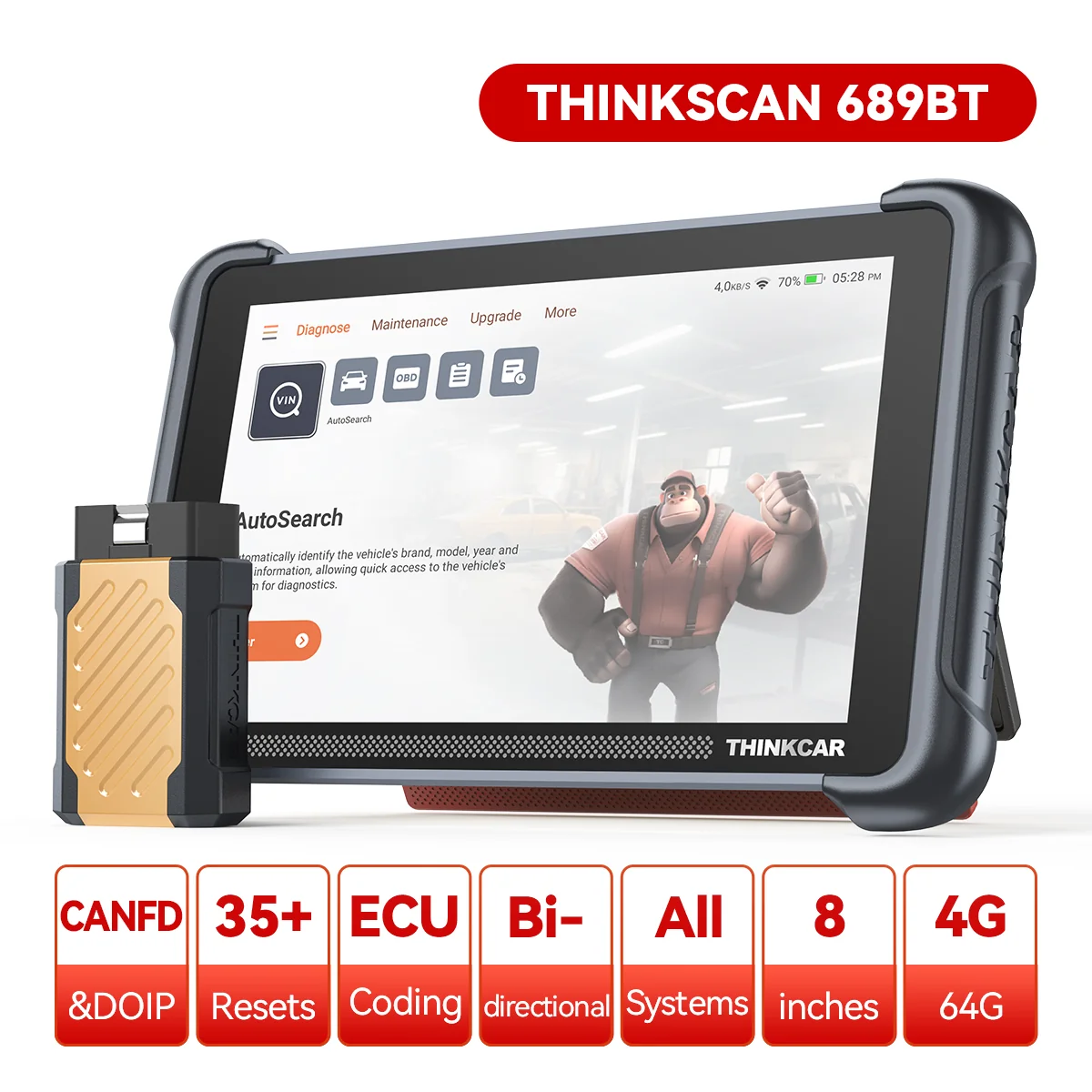
Recommendation: Looking for a professional bi-directional diagnostic tool with full system coverage? Use code DIAGNOZABAM for 10% off.
Transparency note: Affiliate link. Purchasing through it costs you nothing extra. View Thinkcar Deal →
