
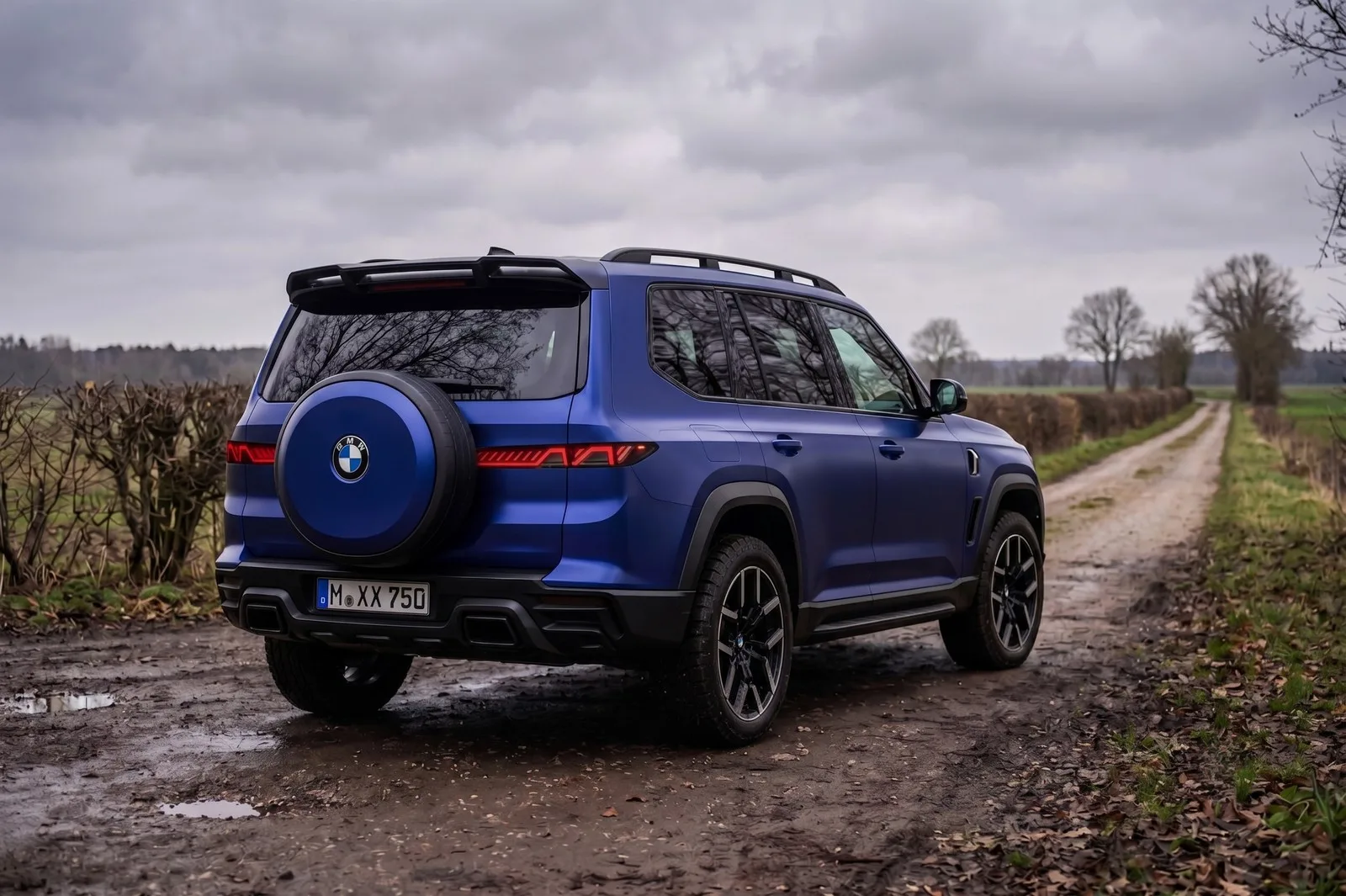
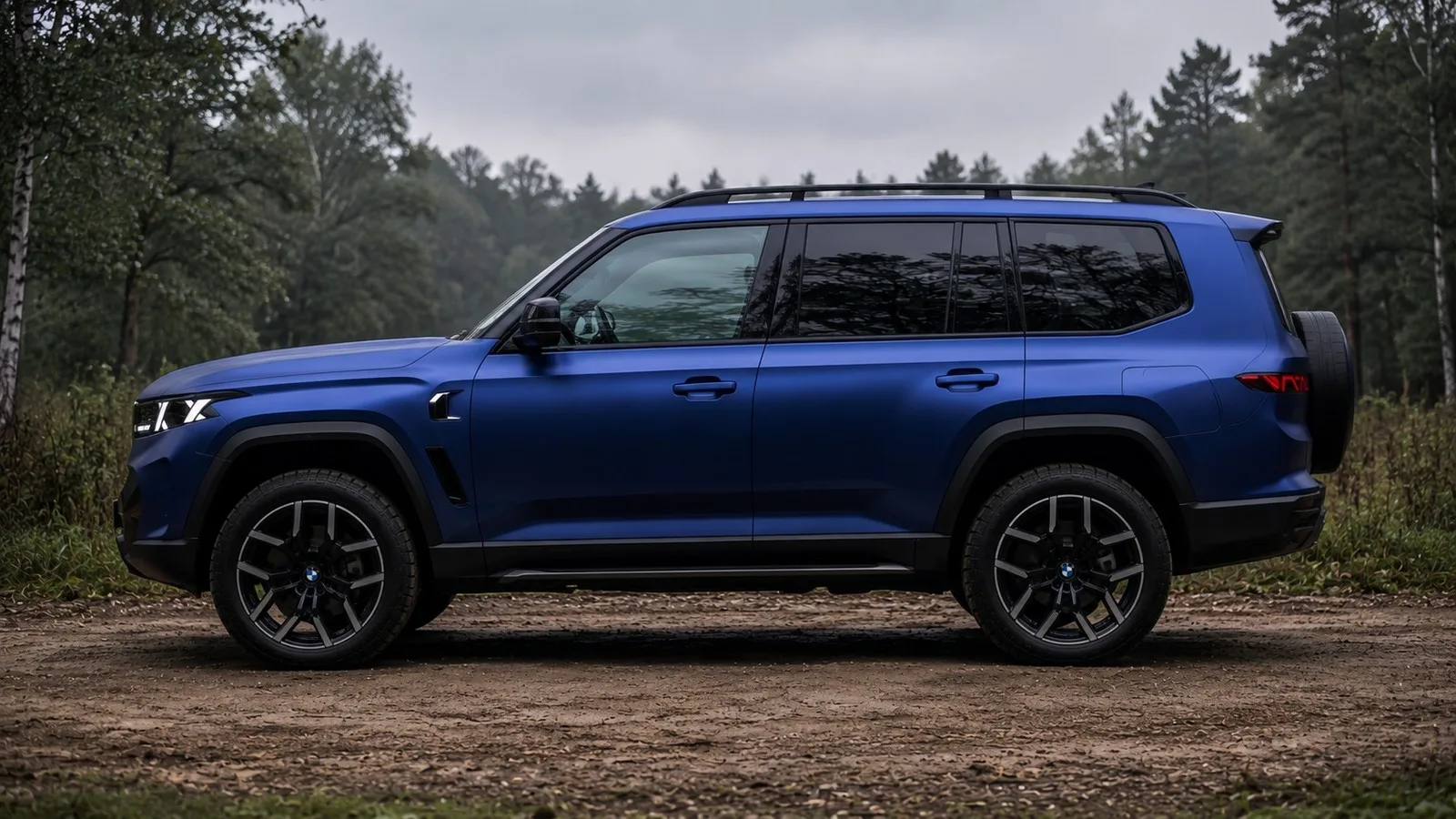
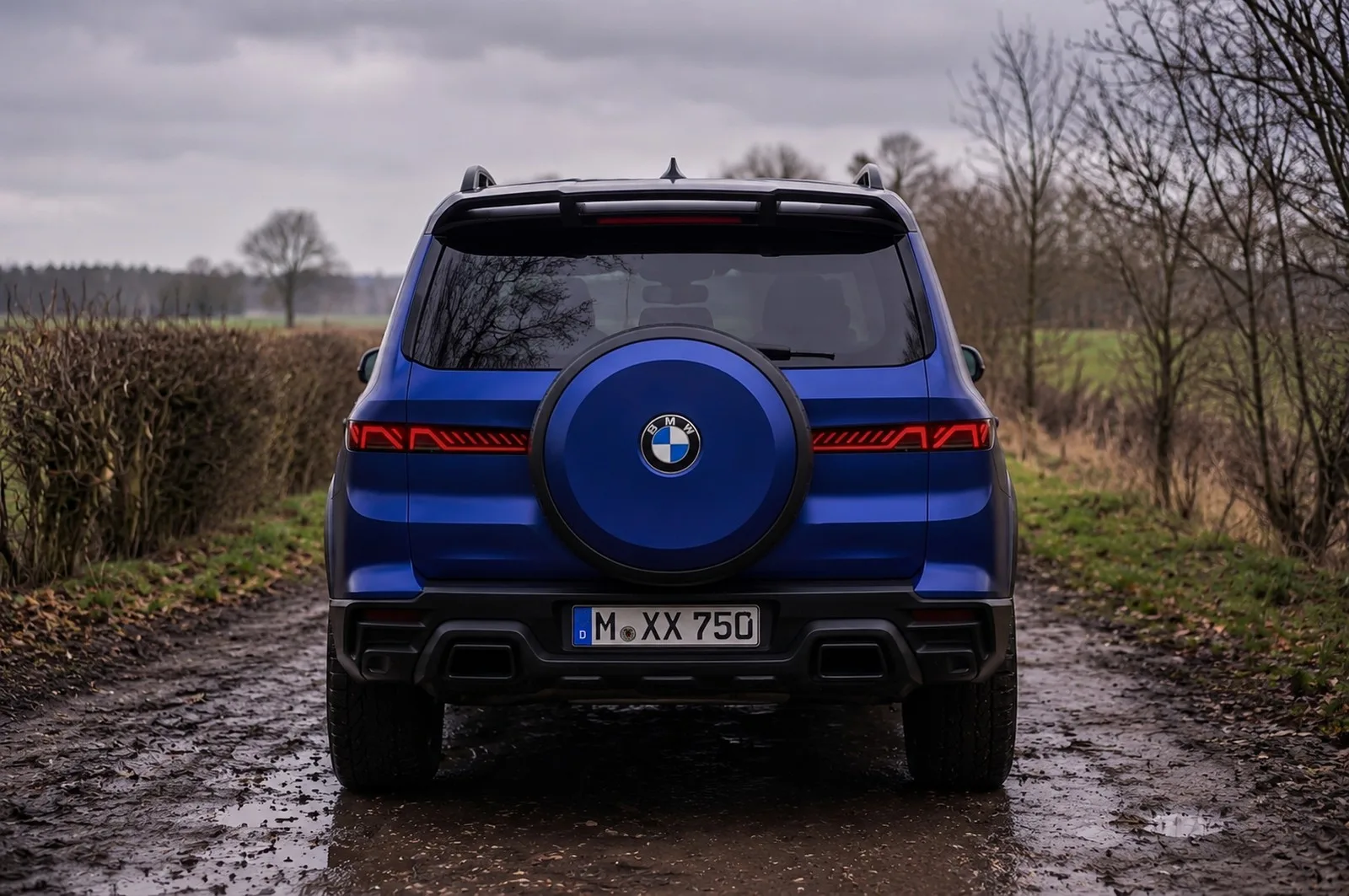
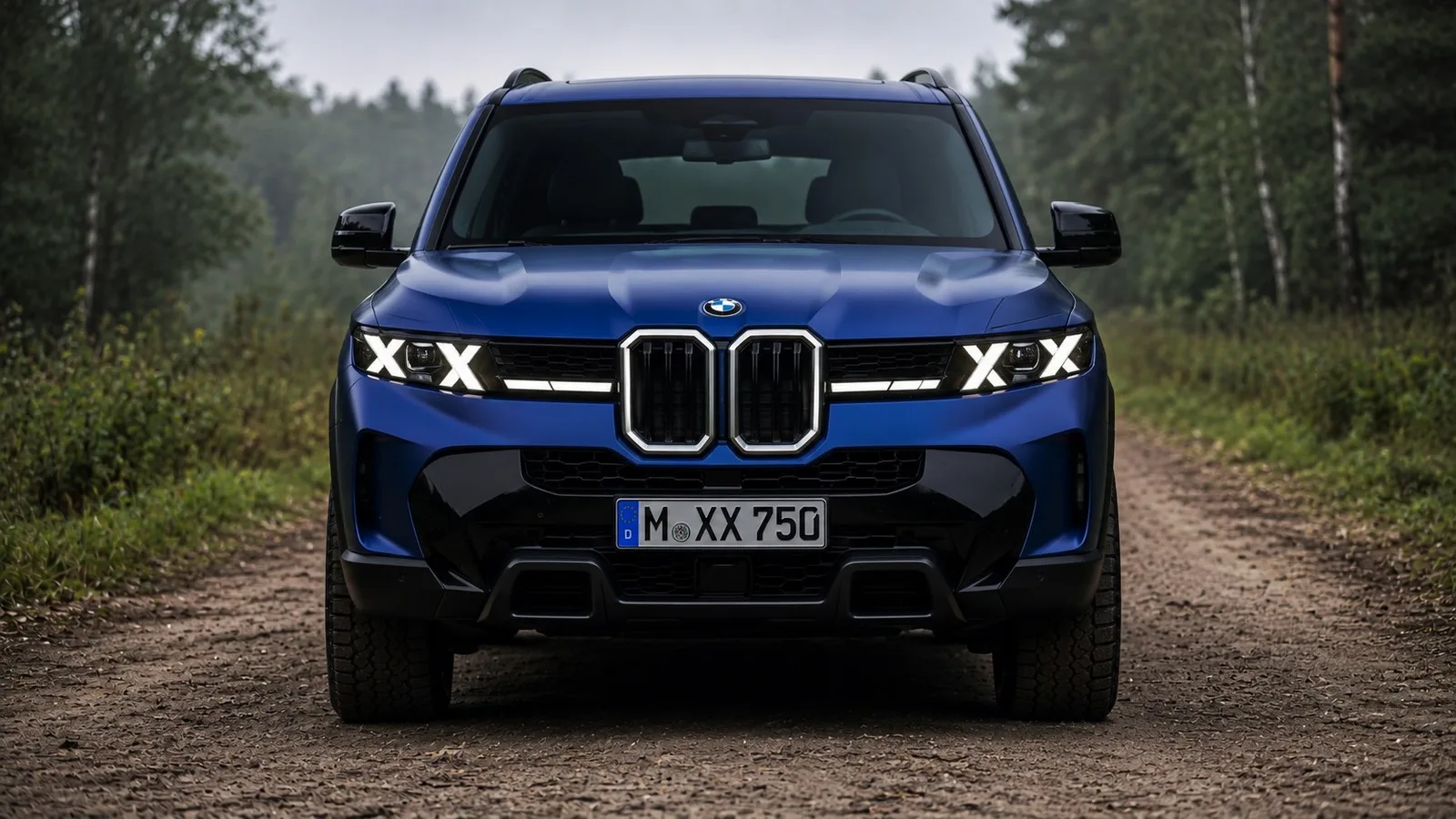
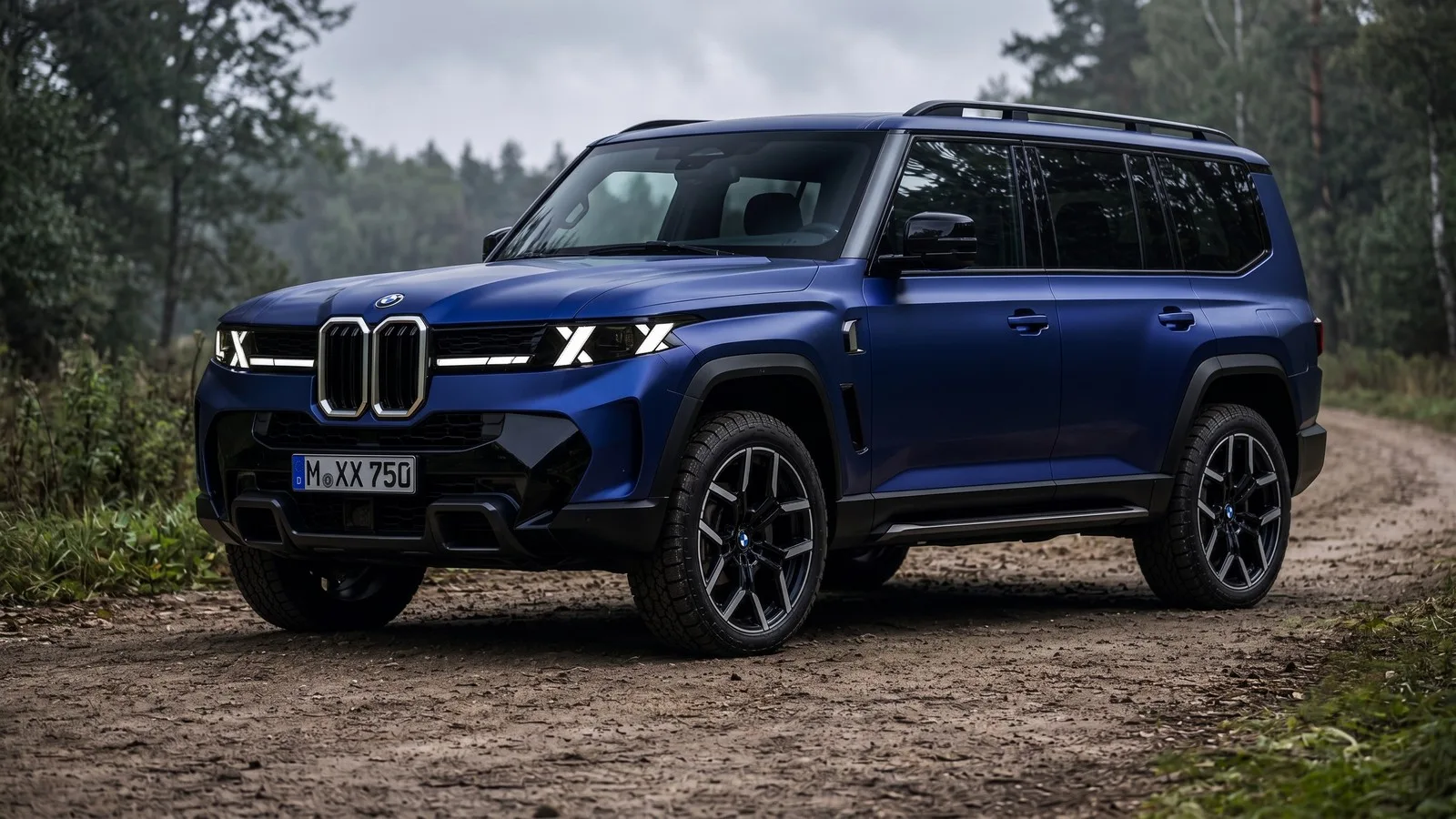
For decades, the recipe for a modern BMW has remained structurally identical. It relies on a sophisticated, road-hugging monocoque (unibody) chassis. This setup is engineered for precise handling on paved tarmac. However, recent movements in Munich suggest a seismic shift in philosophy. The luxury automotive market is experiencing a sustained boom in ultra-premium, rugged off-roaders. Consequently, whispers surrounding a top-secret project have officially exploded into reality. The vehicle is internally designated as the BMW G74 Rugged.
The fire was fueled entirely by a highly detailed patent application. This document was filed with the German Patent and Trade Mark Office (DPMA). The paperwork highlights something completely unprecedented for modern BMW. It outlines a dedicated, modular ladder-frame chassis designed to carry electric drivetrains. This marks the first technical evidence of a new strategy. Munich is actively seeking to dismantle the global dominance of its direct rivals. These include the Mercedes-Benz G-Class, the Land Rover Defender, and the Ineos Grenadier.
The G74 Project: Targeting the Boxy Titan of Stuttgart
The high-end off-road segment has long been dominated by the Mercedes-Benz G-Class. This iconic vehicle features a boxy aesthetic that translates into massive financial success. Market trends indicate that buyers increasingly demand distinct, retro-inspired styling. They also want hardcore trail competency. For years, BMW lacked a proper response to this demand. Instead, the brand chose to offer soft-roader crossovers like the X5, X7, or the controversial XM.
The BMW G74 Rugged is meant to change all of that. The vehicle is expected to make its formal debut close to 2029. Early reports indicate that production will most likely be centered in the United States. Specifically, it will target BMW’s high-capacity Spartanburg plant in South Carolina, USA. This facility is the global epicenter of the brand’s heavy-duty utility vehicle production.
Traditional Monocoque (BMW X5)       New Proposed Modular Architecture (G74)
┌──────────────────────────────┐     ┌─────────────────────────────────────┐
│    Integrated Body/Chassis   │     │        Separate Rugged Body         │
└──────────────────────────────┘     ├─────────────────────────────────────┤
              │                      │    Cast Modular EV Ladder Frame     │
              ▼                      └─────────────────────────────────────┘
     High Street Dynamics                  Heavy-Duty Structural Shielding
Design renders visualize a vehicle sporting a brutally upright silhouette. It includes muscular squared wheel arches and a highly functional rear-mounted spare wheel. However, the true revolution lies completely out of sight. It rests deep within the vehicle’s structural core.
Anatomy of the BMW Ladder Frame Patent
A traditional ladder frame consists of two heavy steel rails. These rails run parallel down the length of the vehicle. They are connected by perpendicular crossmembers. This setup is exceptional for handling torsional stress during extreme off-roading. However, it is also heavy and inefficient for packaging. Furthermore, it hurts highway fuel economy.
BMW’s new patent completely reinvents this old-school engineering concept. It adapts the layout for the modern zero-emission era. The design completely discards the classic monolithic steel rails. Instead, it introduces a highly flexible, multi-piece cast structure.
The Three-Section Architecture
According to the DPMA filing, the frame is physically split into three distinct zones. Each zone is manufactured using advanced structural casting methods:
-
The Center Section: This area is optimized entirely as a heavily protected structural enclosure. It is built to house large-capacity EV battery packs safely.
-
The Front Section: This part is engineered to support highly complex double-wishbone suspension. It also handles robust axle components and forward electric drive units.
-
The Rear Section: This zone is mirrored structurally to handle high towing loads. It easily accommodates heavy articulation and rear-axle motor layouts.
ℹ️ Technical Note: Conventional electric platforms use the battery casing as a stressed member of the vehicle’s floor. Unlike those layouts, BMW’s patent creates an external, rigid perimeter frame. This provides intense mechanical shielding for the battery cells. It protects them when navigating jagged rocks or sharp terrain. As a result, it isolates the passenger cabin from high-impact underbody strikes.
                     [ FRONT CAST PIECE ]
                              │
             ┌────────────────┴────────────────┐
             ▼                                 ▼
   [ LEFT DIAGONAL STRUT ]           [ RIGHT DIAGONAL STRUT ]
             │                                 │
             └────────────────┬────────────────┘
                              ▼
                     [ CENTER BATTERY CORE ]
                              ▲
             ┌────────────────┴────────────────┐
             │                                 │
   [ LEFT DIAGONAL STRUT ]           [ RIGHT DIAGONAL STRUT ]
             ▼                                 ▼
                     [  REAR CAST PIECE  ]
Unmatched Cost Optimization & Scalability
The true genius of this patent is its extreme standardization. It drastically lowers manufacturing costs and development timelines. To achieve this, the diagonal connecting elements and the crossmembers are completely identical. They match perfectly at both the front and rear of the chassis. Engineers can easily scale the overall length and track width of the vehicle. They just need to extend the central extrusion rails. This architecture opens the door for a wider family of rugged vehicles. Best of all, it eliminates the need for separate assembly tooling.
Quad-Motor Powertrains and Off-Road Capability
What makes this patent incredibly distinct is the complete absence of internal combustion components. There are zero provisions for exhaust routing or traditional gas tanks. You will not find multi-speed mechanical transfer cases either. This is a platform built exclusively around next-generation electric mobility.
Standard electric all-wheel-drive configurations rely on one motor per axle. However, the BMW G74 Rugged is highly rumored to utilize a cutting-edge quad-motor layout. This means one independent motor manages each individual wheel.
| Technical Parameter | Estimated Target Specifications | Engineering Advantage |
| Drive Configuration | Quad-Motor (Independent Wheel Control) | Elimination of physical locking differentials via software torque vectoring. |
| Chassis Composition | Cast Aluminum + Carbon Fiber Reinforced Plastic (CFRP) | Radical weight reduction to offset heavy EV battery packs. |
| Suspension Control | Adaptive Air Suspension with Electronic Disconnecting Bars | Maximum wheel articulation on trails; low center of gravity on highways. |
| System Voltage | 800V Architecture | Ultra-fast DC charging capabilities in remote locations. |
The vehicle manages torque completely via software at each wheel. This adjustment occurs millisecond by millisecond. Thus, a quad-motor BMW off-roader can simulate front, center, and rear locking differentials perfectly. It does this without the immense mechanical weight of traditional 4×4 setups. It also eliminates friction losses and maintenance requirements. This platform also opens the possibility for advanced maneuverability features. Drivers can utilize tank turns or ultra-precise rock crawling control at low speeds.
The Hurdles: Weight, Dynamics, and Brand Heritage
Entering the hardcore off-road segment is not without massive risks for the Bavarian manufacturer. The project faces several immense hurdles. Engineering teams in Munich must solve these problems before moving from diagrams to the assembly line:
⚠️ WARNING:
The Weight Penalty: The vehicle combines a massive, long-range EV battery pack with a heavy-duty ladder-frame chassis. This runs the risk of creating a vehicle that easily exceeds a total curb weight of 3,000 kg. This weight presents extreme challenges for tire longevity and braking distances. It also complicates compliance with global driving license weight categories.
Diluting the Brand DNA: BMW has built its global reputation entirely on a clear concept. It focuses on delivering agile, sharp, and communicative asphalt dynamics. A high-riding, heavy, body-on-frame vehicle inherently compromises high-speed cornering stability. This direction threatens to alienate brand purists.
Production Line Complexity: The Spartanburg factory is currently optimized completely for unibody architectures. Integrating a body-on-frame assembly process inside this facility will require highly expensive structural upgrades. It will also demand heavily modified production lines.
Conclusion: Will Munich Pull the Trigger?
Automotive manufacturers register hundreds of technical patents every single year. Many of these ideas ultimately end up sitting completely unused in secure digital archives. However, the timing of this specific ladder-frame publication is highly strategic. It arrives exactly amidst heightened executive interest regarding a rugged flagship model. This proof shows that BMW is seriously exploring the business case for a true off-road machine.
The company is actively rewriting the rules of the traditional ladder frame. It achieves this using lightweight cast elements, modular scalability, and advanced quad-motor EV software. Because of these innovations, the BMW G74 Rugged could very well become a major structural milestone. If greenlit for production towards the end of the decade, the iconic Mercedes G-Class might finally face its most dangerous challenger yet.
Source: 2028 BMW-Offroader (G74 Rugged) im Rendering: Ein G-Klasse Rivale?
✍️ Author: Bejenaru Alexandru Ionut – [email protected]
🔗 Internal link: https://diagnozabam.ro/sfaturi

Recommendation: Looking for a professional bi-directional diagnostic tool with full system coverage? Use code DIAGNOZABAM for 10% off.
Transparency note: Affiliate link. Purchasing through it costs you nothing extra. View Thinkcar Deal →
