
The P0228 code is a diagnostic trouble code that indicates a high input signal from the throttle or accelerator pedal position sensor “C” circuit. In vehicles equipped with electronic throttle control, multiple sensors (A, B, and C) are used to ensure accurate and safe throttle operation. When the engine control unit (ECU) detects that the voltage from sensor “C” exceeds the acceptable range, it triggers the P0228 code.
Understanding the P0228 code is essential because it can lead to incorrect throttle behavior, reduced performance, and potential safety risks. This guide explains the meaning, symptoms, causes, diagnostic steps, and repair solutions.
What Does P0228 Code Mean?
The P0228 code means that the ECU has detected a voltage signal from the throttle or pedal position sensor “C” that is higher than expected.
Sensor “C” acts as an additional verification signal. If its voltage rises above acceptable limits, the ECU interprets this as a fault and stores the code.
This issue is typically electrical and affects signal integrity.
Symptoms of P0228 Code
When the P0228 code is present, the following symptoms may occur:
-
Check Engine Light illuminated
-
Reduced engine power (limp mode)
-
Erratic throttle response
-
Sudden or unintended acceleration changes
-
Poor engine performance
-
Limited vehicle speed
-
Possible stalling in severe cases
These symptoms can significantly impact driving safety.
Causes of P0228 Code
The P0228 code can be triggered by several issues:
Common causes:
-
Faulty throttle position sensor (TPS)
-
Faulty accelerator pedal position sensor
-
Short circuit to power
-
Damaged or worn wiring
-
Loose or corroded connectors
-
Poor grounding
Additional causes:
-
Throttle body malfunction
-
ECU malfunction (rare)
-
Sensor misalignment
Most cases involve electrical faults.
How Serious Is the P0228 Code?
The P0228 code is considered serious.
This issue can lead to:
-
Unpredictable throttle behavior
-
Reduced engine control
-
Limp mode activation
-
Safety risks while driving
Immediate repair is recommended.
How to Diagnose P0228 Code
Diagnosing the P0228 code involves several steps:
1. OBD2 Scan
Confirm the code and check for related faults.
2. Visual Inspection
Inspect:
-
Sensor connectors
-
Wiring harness
-
Throttle body
3. Voltage Testing
Measure sensor voltage levels.
4. Wiring Check
Look for short circuits to power.
5. Live Data Analysis
Compare signals from sensors A, B, and C.
6. Ground Check
Ensure proper grounding.
How to Fix P0228 Code
Fixing the P0228 code depends on identifying the root cause:
Replace faulty throttle position sensor
Common fix
Replace accelerator pedal sensor
If signal is incorrect
Repair wiring
Fix short circuits or damaged wires
Clean or repair connectors
Ensure proper contact
Replace throttle body
If internal faults exist
ECU repair or replacement
Rare but possible
Estimated Repair Cost (2026)
Typical repair costs include:
-
TPS replacement: $100 – $300
-
Pedal sensor replacement: $150 – $400
-
Wiring repair: $100 – $300
-
Throttle body cleaning: $50 – $150
-
Throttle body replacement: $300 – $800
Costs vary depending on vehicle type.
Can You Drive With P0228 Code?
Driving with the P0228 code is not recommended.
The issue can cause:
-
Erratic throttle behavior
-
Reduced engine performance
-
Increased safety risks
The vehicle should be repaired as soon as possible.
Frequently Asked Questions (FAQ)
What does high input mean in P0228?
It means the sensor voltage is higher than expected.
Can wiring cause P0228?
Yes, especially short circuits to power.
Will P0228 trigger limp mode?
Yes, in many vehicles.
Is P0228 expensive to fix?
Usually moderate, depending on the cause.
Conclusion
The P0228 code indicates a high input signal in the throttle or pedal position sensor “C” circuit, a critical issue affecting engine control and drivability. This fault can lead to unpredictable throttle response and reduced safety.
Most cases involve faulty sensors or wiring issues. Proper diagnosis ensures accurate repair and avoids unnecessary replacements. Addressing the P0228 code promptly helps maintain vehicle performance and safety.
✍️ Author: Bejenaru Alexandru Ionut – [email protected]
🔗 Internal link: https://diagnozabam.ro/sfaturi
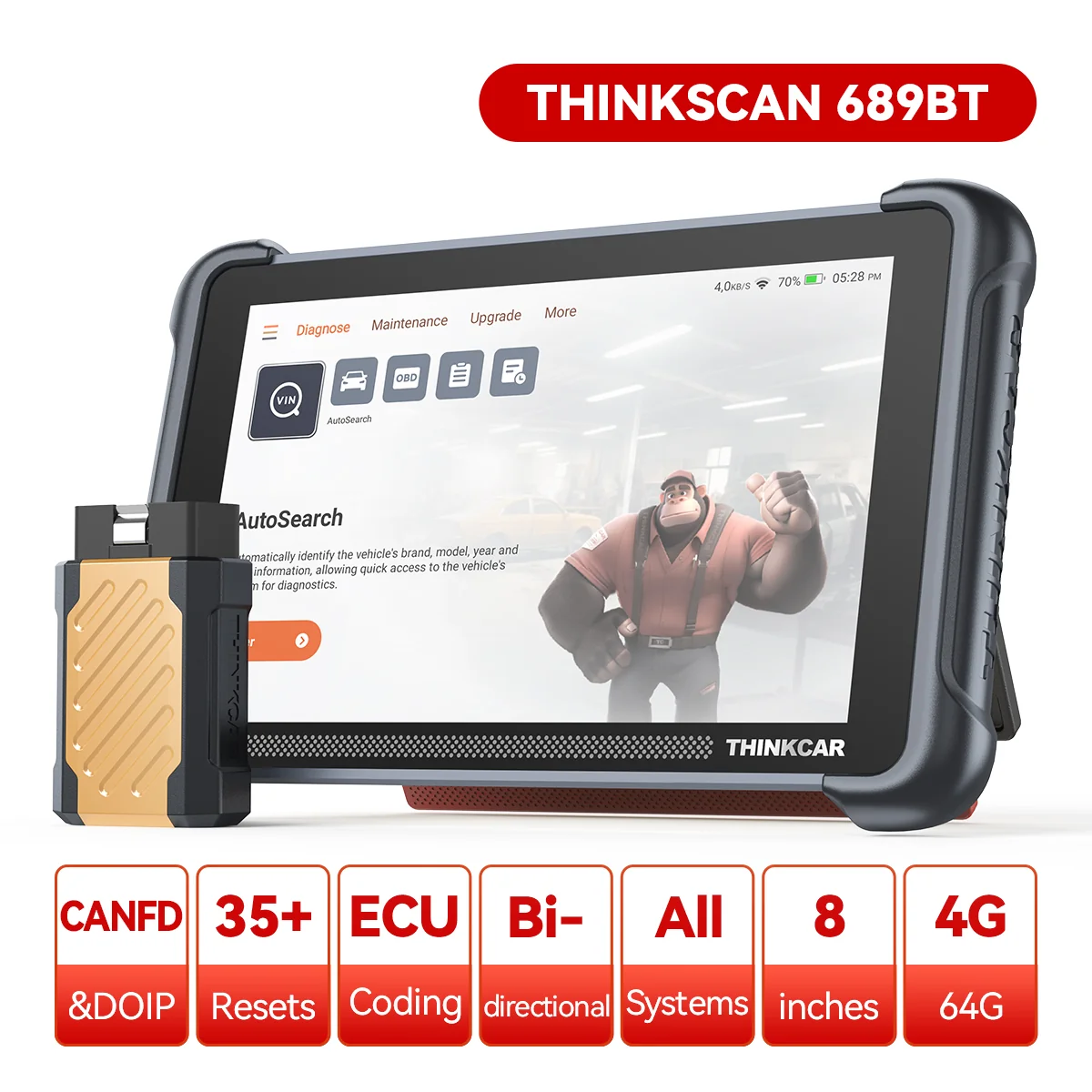
Recommendation: Looking for a professional bi-directional diagnostic tool with full system coverage? Use code DIAGNOZABAM for 10% off.
Transparency note: Affiliate link. Purchasing through it costs you nothing extra. View Thinkcar Deal →