
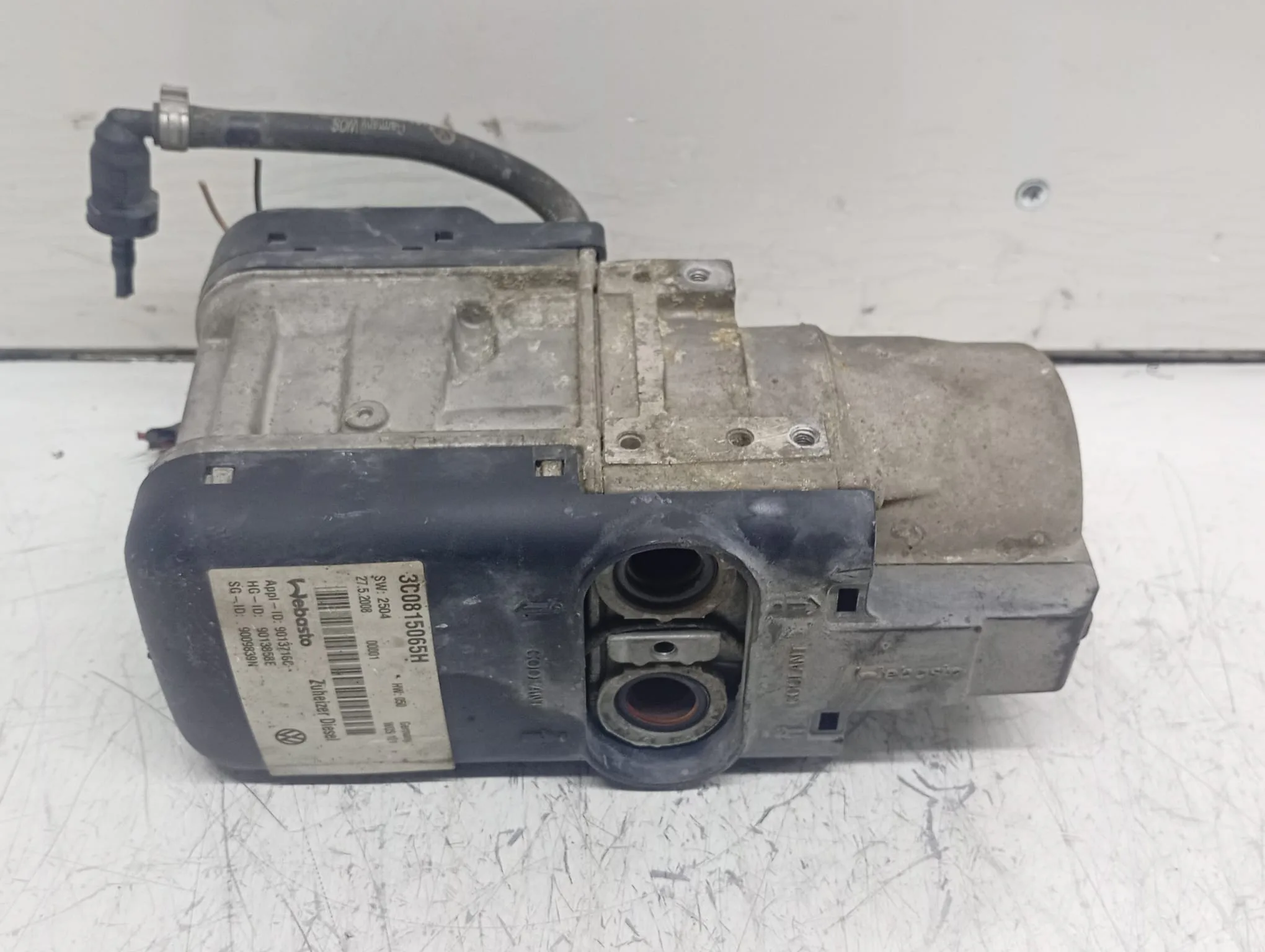
What Is Webasto and How Does It Work
Webasto is a fuel-powered auxiliary heater designed to warm up both the engine and the cabin without starting the engine.
It uses a small amount of fuel (diesel or gasoline) to generate heat, which is circulated through:
- the engine cooling system
- the cabin heating system
This allows the car to be warm before you even start it, even in freezing temperatures.
Why Webasto Matters More in Modern Cars
Modern engines, especially diesel, are built for efficiency. That means:
- they produce less heat
- they warm up slower
- they stay cold longer in city driving
This creates real problems:
- increased engine wear
- poor fuel efficiency when cold
- uncomfortable driving in winter
👉 Webasto solves all of these before you even turn the key.
Real Benefits of Webasto (Not Marketing Claims)
1. Cold Start Protection
Cold starts are one of the biggest causes of engine wear.
With Webasto:
- engine oil is already warm
- components expand correctly
- friction is reduced
👉 This directly extends engine life.
2. Instant Cabin Comfort
No more:
- freezing seats
- foggy windows
- ice scraping
You get:
- warm interior
- clear windshield
- immediate comfort
3. Better Fuel Efficiency in Winter
A cold engine consumes more fuel.
Webasto helps:
- reduce enrichment cycles
- stabilize combustion faster
4. Ideal for Short Trips
If you drive:
- 2–5 km
- urban traffic
- frequent stops
👉 your engine never reaches optimal temperature.
Webasto becomes extremely valuable in this scenario.
5. Reduced Engine Stress
Repeated cold starts lead to:
- faster oil degradation
- increased component wear
- long-term mechanical issues
Webasto significantly reduces this stress.
Real Downsides You Should Know
1. High Initial Cost
Typical costs:
- used unit: 150–300€
- new unit: 500–1000€+
- installation: 100–300€
👉 total investment can exceed 800–1200€.
2. Fuel Consumption
Webasto burns fuel:
- approx. 0.2 – 0.5 L/hour
Not huge, but noticeable over time.
3. Battery Drain Risk
It uses electrical power for:
- pump
- fan
- control unit
👉 weak battery = potential starting issues.
4. Maintenance Required
Webasto systems include:
- glow plug
- fuel pump
- control electronics
👉 they can fail over time and require servicing.
5. Installation Complexity
Poor installation can cause:
- leaks
- electrical issues
- system errors
👉 installation quality is critical.
When Webasto Is 100% Worth It
You should seriously consider it if:
- you live in cold climates
- you drive mostly in the city
- you own a diesel vehicle
- you want maximum winter comfort
👉 In these cases, it is not a luxury — it is a practical upgrade.
When Webasto Is NOT Worth It
It may not be a good investment if:
- you mostly drive long distances
- your engine warms up quickly
- winters are mild
- you have a tight budget
👉 In these situations, benefits are limited.
Real Cost vs Value Analysis
Short-term:
- expensive upgrade
Long-term:
- reduced engine wear
- improved comfort
- potentially lower repair costs
👉 Value depends heavily on usage pattern.
FAQ – Webasto Systems
Can Webasto damage the engine?
No. When properly installed, it actually protects the engine.
Can you install Webasto on any car?
Most vehicles can support it, but compatibility varies.
Does Webasto drain the battery?
Yes, but normally not enough to cause issues if the battery is healthy.
Is Webasto better for diesel engines?
Yes. Diesel engines benefit the most due to slow warm-up.
Final Verdict
Webasto is not a universal must-have — but in the right conditions, it becomes one of the most useful upgrades you can install on a car.
👉 If you drive short distances in cold weather, it is absolutely worth it.
👉 If you drive long distances, it may not justify the cost.
✍️ Author: Bejenaru Alexandru Ionut – [email protected]
🔗 Internal link: https://diagnozabam.ro/sfaturi

Recommendation: Looking for a professional bi-directional diagnostic tool with full system coverage? Use code DIAGNOZABAM for 10% off.
Transparency note: Affiliate link. Purchasing through it costs you nothing extra. View Thinkcar Deal →