
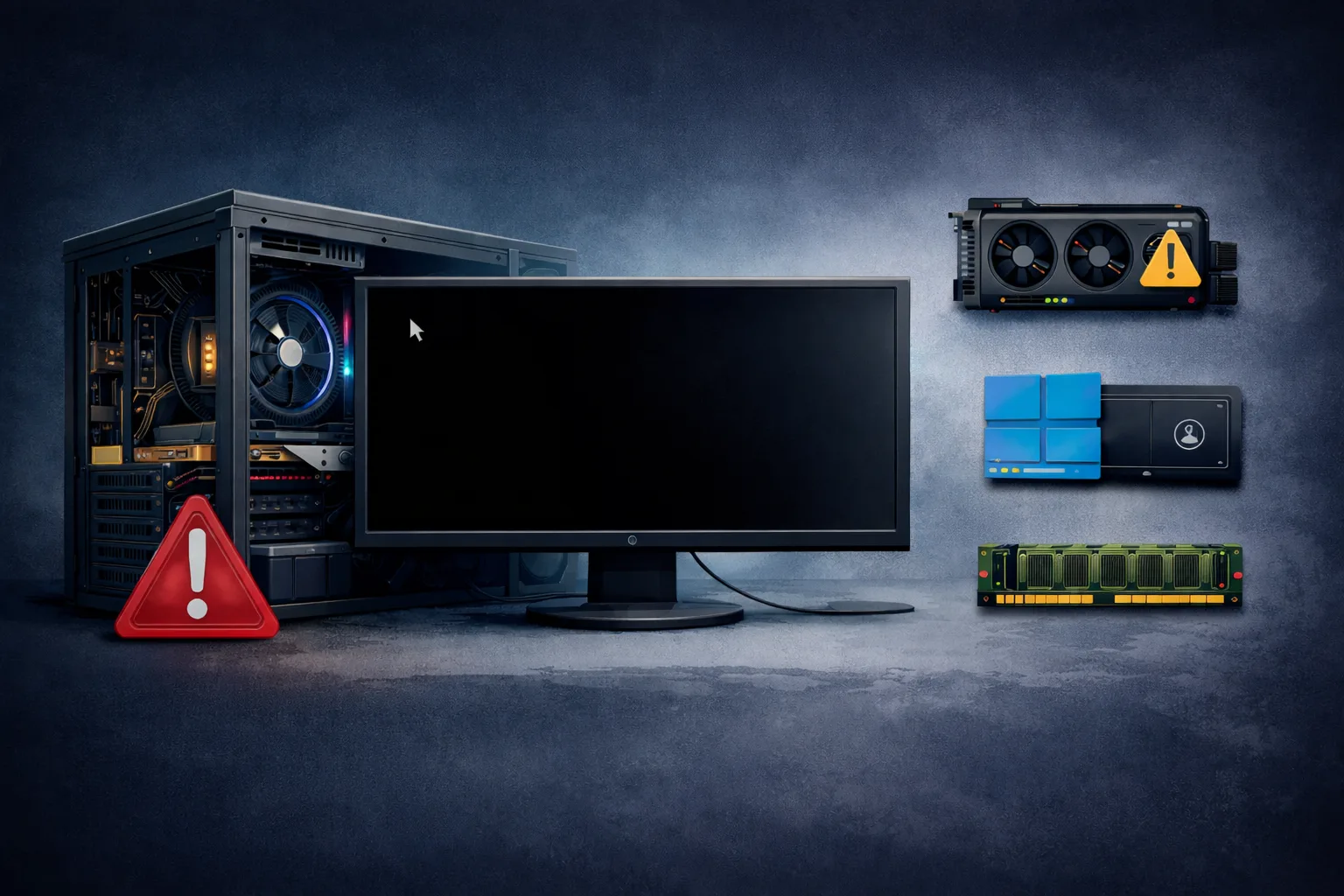
What Does “PC Slow Performance” Mean
The PC slow performance issue appears when your computer becomes noticeably slower than normal. Applications take longer to open, the system lags, and overall responsiveness drops.
This can affect:
- startup time
- browsing speed
- gaming performance
- multitasking
In most cases, slow performance is caused by a combination of hardware limitations and system inefficiencies.
Why Your PC Becomes Slow
Over time, every system accumulates:
- background processes
- unnecessary files
- software conflicts
At the same time, hardware may:
- degrade
- overheat
- struggle with newer applications
This leads to reduced performance.
Common Causes of Slow PC Performance
1. Too Many Background Programs
Programs running in background consume:
Result:
- slow response
- lag during multitasking
2. Low RAM (Memory)
If RAM is insufficient:
- system uses disk as memory
- performance drops significantly
3. Slow Storage (HDD vs SSD)
Hard drives (HDD):
- much slower than SSD
Symptoms:
- slow boot
- slow file access
4. Overheating
High temperatures cause:
- CPU throttling
- reduced performance
5. Fragmented or Full Drive
If storage is:
- nearly full
- fragmented (HDD)
performance decreases.
6. Malware or Unwanted Software
Malicious software can:
- consume resources
- slow system significantly
7. Outdated Drivers or System
Old drivers can:
- reduce performance
- cause instability
8. Weak or Aging Hardware
Older systems may:
- struggle with modern applications
Signs Your PC Is Running Slow
- long startup time
- lag when opening apps
- freezing or stuttering
- slow browser performance
- high CPU or RAM usage
Step-by-Step Fix for Slow PC
Step 1: Disable Startup Programs
- reduce programs at startup
- improve boot speed
Step 2: Upgrade to SSD
Biggest performance improvement:
- faster boot
- faster loading
Step 3: Add More RAM
- improves multitasking
- reduces lag
Step 4: Clean Storage
- delete unnecessary files
- free disk space
Step 5: Scan for Malware
- remove unwanted programs
- improve performance
Step 6: Update Drivers
Step 7: Clean Dust and Improve Cooling
- prevent thermal throttling
Step 8: Reinstall Operating System (Optional)
- removes software issues
- restores performance
Advanced Solutions
Upgrade CPU or GPU
If system is old:
- hardware upgrade may be needed
Optimize System Settings
- disable visual effects
- adjust performance settings
Signs You Need Upgrade
- system still slow after optimization
- modern apps lag
- high usage constantly
What NOT to Do
Avoid:
- installing unnecessary software
- ignoring overheating
- filling storage completely
- using outdated drivers
Conclusion
The PC slow performance issue is common but fixable.
Most improvements come from:
With proper maintenance, your system can run significantly faster.
For more articles, check out the link below.
How to Choose RAM: Complete Guide for Performance – Diagnoza BAM
RAM Not Detected: Causes and How to Fix It – Diagnoza BAM
PC Beeping Continuously: Causes and How to Fix It – Diagnoza BAM
✍️ Author: Bejenaru Alexandru Ionut – [email protected]
🔗 Internal link: https://diagnozabam.ro/sfaturi
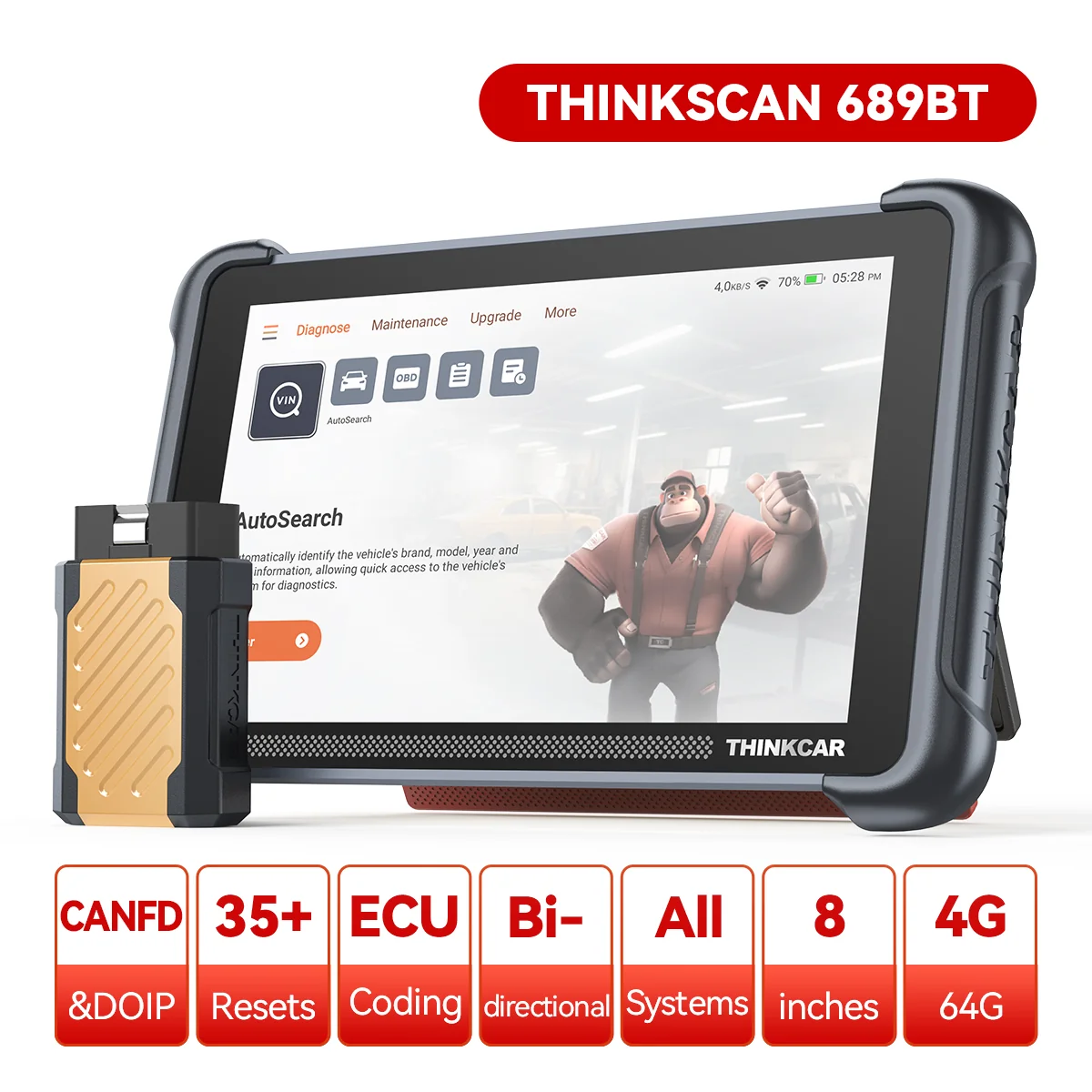
Recommendation: Looking for a professional bi-directional diagnostic tool with full system coverage? Use code DIAGNOZABAM for 10% off.
Transparency note: Affiliate link. Purchasing through it costs you nothing extra. View Thinkcar Deal →
