
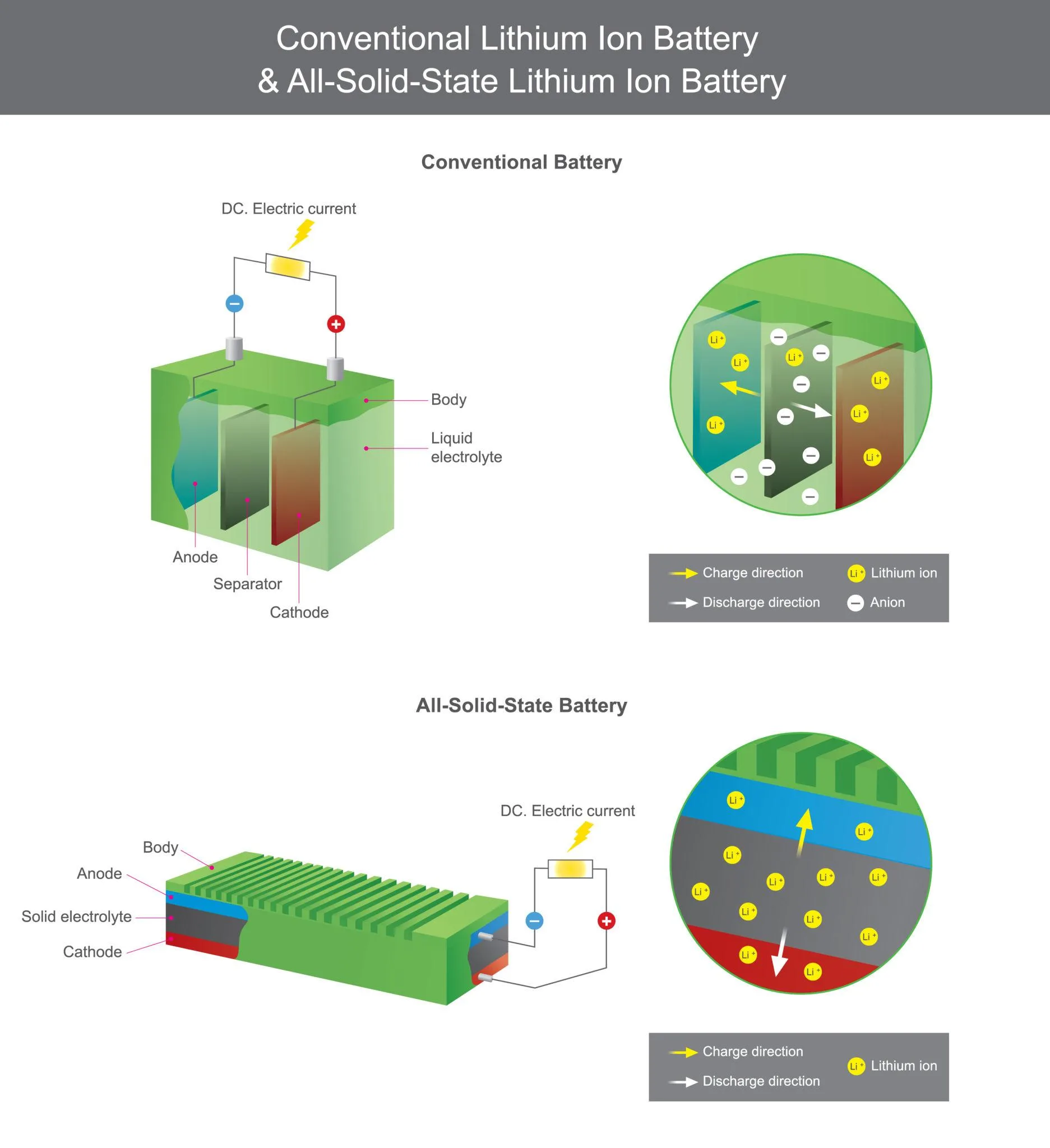
Solid-State Batteries 2026 are dominating headlines in the electric vehicle industry this year. After more than a decade of promises, lab testing, and delayed commercialization, manufacturers now claim the technology is closer than ever to mass production.
But are we truly witnessing a breakthrough, or is this another overhyped innovation cycle?
In 2026, the race for safer, lighter, and more powerful batteries has intensified globally. Automakers, tech giants, and energy startups are investing billions to secure the next-generation energy solution that could redefine electric mobility.
What Are Solid-State Batteries?
Unlike traditional lithium-ion batteries that use a liquid electrolyte, solid-state batteries rely on a solid electrolyte material. This structural change significantly alters performance characteristics.
Key advantages include:
-
Higher energy density
-
Improved thermal stability
-
Reduced fire risk
-
Faster charging capability
-
Longer lifespan
Compared to current lithium-ion packs, prototypes suggest up to 50–100% more driving range under optimized conditions.
Why Solid-State Batteries 2026 Matter
The EV industry has reached a critical point. While adoption is growing, consumer hesitation remains linked to three major factors:
1. Range Anxiety
Most EVs offer between 350–500 km of real-world range. Solid-state technology aims to push that beyond 800 km.
2. Charging Time
Charging from 10% to 80% could drop below 10 minutes, potentially matching refueling times of combustion vehicles.
3. Safety Concerns
By eliminating flammable liquid electrolytes, the risk of thermal runaway is drastically reduced.
According to data from BloombergNEF, global EV battery demand continues to surge, forcing innovation beyond the limits of conventional lithium-ion chemistry.
Who Is Leading the 2026 Race?
Several major players are pushing development forward:
-
Toyota – targeting limited commercial deployment by 2027
-
QuantumScape – strategic partner of Volkswagen
-
BMW – running advanced validation tests
-
Nissan – planning scalable production later this decade
Despite optimistic roadmaps, most companies remain in pilot-scale validation phases rather than full mass production.
The Real Challenges
While the promise is impressive, Solid-State Batteries 2026 still face serious obstacles:
-
High manufacturing costs
-
Complex material engineering
-
Scalability limitations
-
Durability under repeated charge cycles
-
Supply chain restructuring requirements
Current estimates suggest early vehicles equipped with this technology may cost 30–40% more than comparable lithium-ion models.
This raises a fundamental question: will performance justify the premium?
Market Impact and Global Implications
If scalable production becomes viable, the impact could be transformative:
-
Elimination of range anxiety
-
Faster EV adoption in Europe and North America
-
Reduced reliance on cobalt-heavy battery chemistries
-
Accelerated investment in ultra-fast charging infrastructure
For emerging markets, adoption may lag until cost curves decline significantly after 2028–2029.
For deeper technical coverage on EV systems and diagnostics, visit https://diagnozabam.ro
External industry reference: https://about.bnef.com
Is 2026 the Turning Point?
From a market perspective, 2026 appears to be a validation year rather than a mass adoption milestone.
The technology works in controlled environments. The real test lies in cost efficiency, durability, and supply chain integration at scale.
If the industry successfully overcomes these barriers, the next five years could redefine the automotive landscape.
If not, improved lithium-ion variants will likely dominate for another decade.
Conclusion
Solid-State Batteries 2026 represent one of the most promising advancements in electric mobility. Backed by massive investments and global competition, the technology is closer to reality than ever before.
However, true disruption will only occur once these batteries become affordable, scalable, and commercially widespread.
Until then, 2026 stands as the year of industrial validation.
✍️ Author: Bejenaru Alexandru Ionut – [email protected]
🔗 Internal link: https://diagnozabam.ro/sfaturi
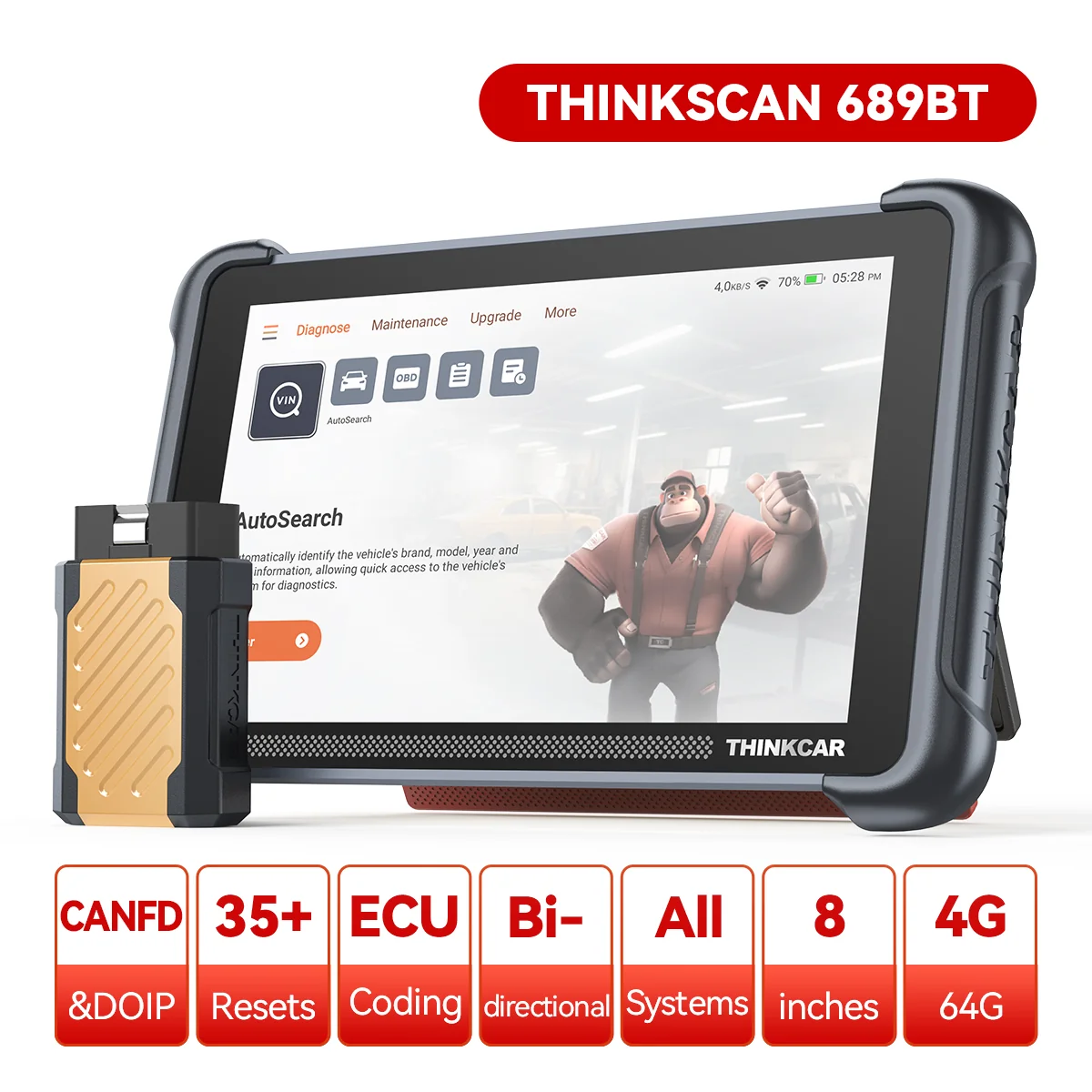
Recommendation: Looking for a professional bi-directional diagnostic tool with full system coverage? Use code DIAGNOZABAM for 10% off.
Transparency note: Affiliate link. Purchasing through it costs you nothing extra. View Thinkcar Deal →
