
The P0106 diagnostic trouble code (DTC) indicates that the engine control unit (ECU) has detected that the MAP sensor signal is outside the expected range or behaving incorrectly.
Unlike P0105 (circuit fault), this code appears when the sensor works, but gives implausible values compared to engine conditions.
The ECU compares MAP data with:
-
throttle position
-
engine RPM
-
airflow data
If values don’t match, it triggers P0106.
Symptoms of Code P0106
Common symptoms include:
-
Check Engine light ON
-
Poor engine performance
-
Engine knocking (in some cases)
-
Reduced power
Common Causes of P0106
Typical causes include:
-
Faulty MAP sensor
-
Dirty or clogged MAP sensor
-
Vacuum leaks
-
Carbon buildup in intake
-
Damaged vacuum hose
-
Incorrect sensor readings due to intake issues
A very common cause is carbon buildup affecting pressure readings.
How Serious Is Code P0106
The P0106 code is considered a moderate to serious issue.
If ignored, it can cause:
-
poor engine efficiency
-
increased emissions
-
long-term engine stress
How to Diagnose Code P0106
Diagnosis steps:
-
Scan the vehicle with an OBD2 scanner
-
Check live MAP sensor data
-
Compare readings with RPM and throttle
-
Inspect vacuum lines
-
Check intake for carbon buildup
-
Test MAP sensor voltage
-
Clean or replace sensor
How to Fix Code P0106
Possible solutions include:
-
cleaning or replacing the MAP sensor
-
repairing vacuum leaks
-
cleaning intake system
-
replacing damaged hoses
-
resetting ECU after repair
Vehicles Commonly Affected by P0106
This code is common across many brands:
Any engine using a MAP sensor can trigger this code.
FAQ – P0106 Code
Can I drive with code P0106?
Yes, but engine performance will be reduced.
What’s the difference between P0105 and P0106?
P0105 = circuit fault
P0106 = incorrect sensor readings
Can carbon buildup cause P0106?
Yes, especially in intake systems with EGR.
✍️ Author: Bejenaru Alexandru Ionut – [email protected]
🔗 Internal link: https://diagnozabam.ro/sfaturi
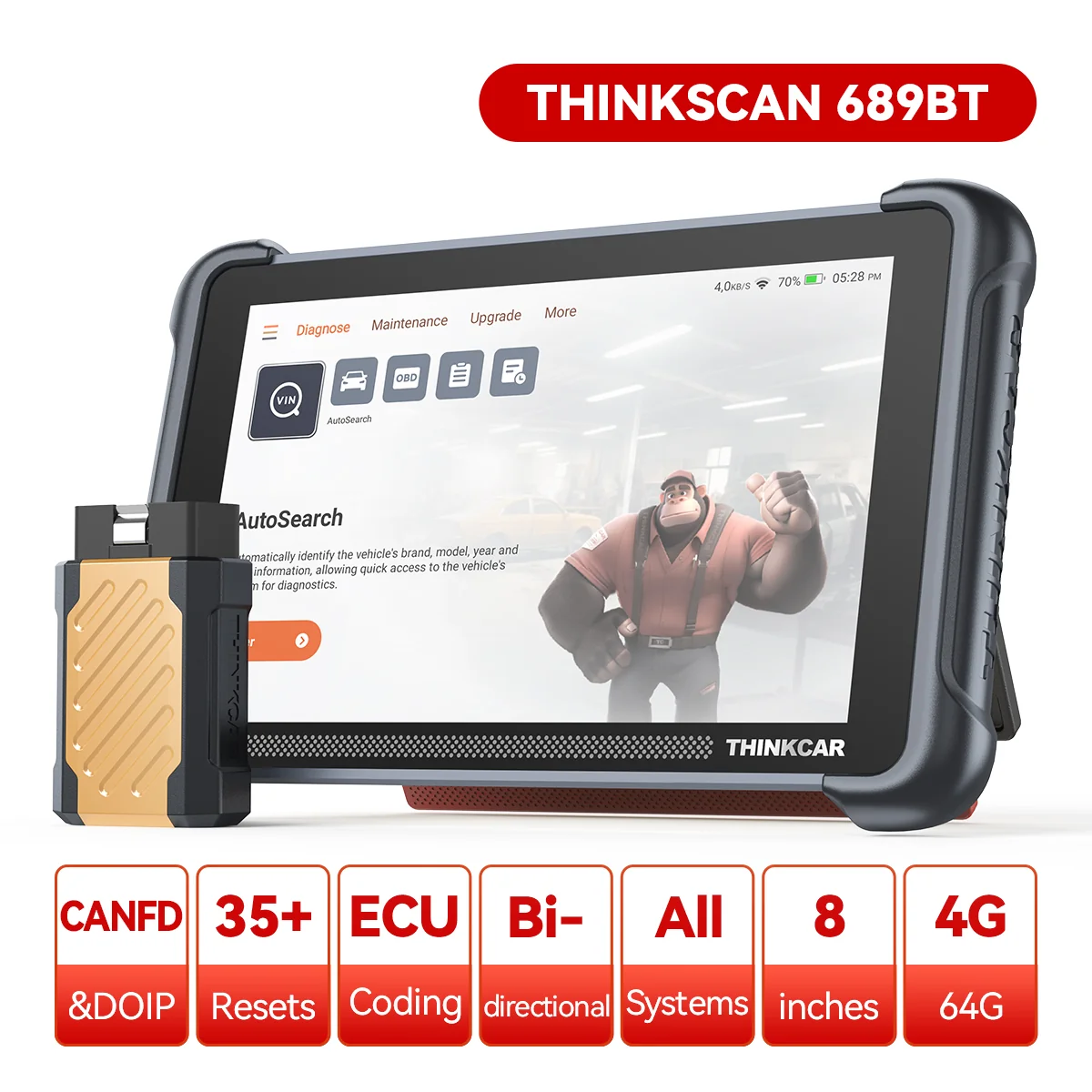
Recommendation: Looking for a professional bi-directional diagnostic tool with full system coverage? Use code DIAGNOZABAM for 10% off.
Transparency note: Affiliate link. Purchasing through it costs you nothing extra. View Thinkcar Deal →
