
Lotus Emira 420 Sport: The Definitve Technical Breakdown of the Ultimate Mid-Engine Track Weapon
Introduction: The Evolution of Pure Driving Dynamics
In an era dominated by heavy hybrid systems and electronic driver isolation, Lotus continues to stand as a sanctuary for purists. The introduction of the new Lotus Emira 420 Sport marks a significant mechanical evolution for the Norfolk-based manufacturer. Positioned as the most aggressive variant in the modern Emira lineup, this mid-engine sports car layout remains fiercely dedicated to the core philosophy of Colin Chapman: minimal weight, uncompromised mechanical feedback, and functional track aerodynamics.
      [ Standard Emira Turbo ]                  [ New Emira 420 Sport ]
                 │                                              │
     (Street-Focused Setup)                       (Track-Optimized Core)
                 │                                              │
                 ▼                                              ▼
   • 360 Horsepower Baseline                     • 420 Horsepower Calibration
   • Standard Fluid Dampers                      • Adjustable Multimatic Valving
   • Factory Cast Alloy Wheels                   • Forged Satin Dark Grey Alloys
   • Balanced Street Aerodynamics                • Functional Downforce Enclosure
Rather than focusing on digital gimmicks or artificial performance metrics, the engineering team has focused on refining mechanical touchpoints, heat rejection, and chassis balance. The result is a highly focused performance vehicle that transitions seamlessly from winding alpine passes to demanding track environments.
Powertrain Engineering: Extracting High-Output Efficiency
At the heart of the vehicle lies an extensively revised version of the 2.0-liter, twin-scroll turbocharged inline-four engine. Through optimized engine management mapping and changes to structural breathing parameters, the engine now produces 420 hp and a massive 500 Nm of torque.
Power delivery is managed by a rapid 8-speed Dual-Clutch Transmission (DCT). The transmission control unit features bespoke shift point mapping designed specifically for high-load cornering, resulting in immediate gear changes and lightning-fast throttle response.
The vehicle completes the 0-100 km/h sprint in just 3.9 seconds, continuing to accelerate hard until it reaches a top speed of nearly 300 km/h. This level of performance makes it clear that the car is far more than a simple visual cruiser—it is an authentic, competitive track player.
The Lightweight Handling Pack: Structural Weight Optimization
For drivers looking to optimize performance on the circuit, the optional Lightweight Handling Pack introduces genuine motorsport-derived hardware upgrades. This package achieves a double benefit, reducing overall mass while simultaneously increasing vehicle cornering stability.
                          [ Lightweight Handling Pack Dynamics ]
                                             │
           ┌─────────────────────────────────┴─────────────────────────────────┐
           ▼                                                                   ▼
 [ Total Weight Reduction: -25 kg ]                        [ Aerodynamic Downforce: +25 kg ]
 • Titanium Exhaust Architecture                           • Extended Carbon Front Splitter
 • Lithium-Ion Electrical Cells                            • Redesigned Underbody Diffuser
 • Specialized Carbon Panels                               • Laminar Flow Side Skirts
Through a meticulous engineering audit, the pack reduces vehicle curb weight by 25 kg compared to the standard Emira Turbo, while simultaneously generating an additional 25 kg of functional aerodynamic downforce.
Twin-Adjustable Multimatic Dampers
Moving away from conventional street setups, the pack incorporates motorsport-grade, dual-adjustable Multimatic dampers. These specialized suspension units allow track day enthusiasts to mechanically adjust both compression and rebound characteristics, tailoring the chassis response to match specific track surface profiles.
Titanium Exhaust Architecture
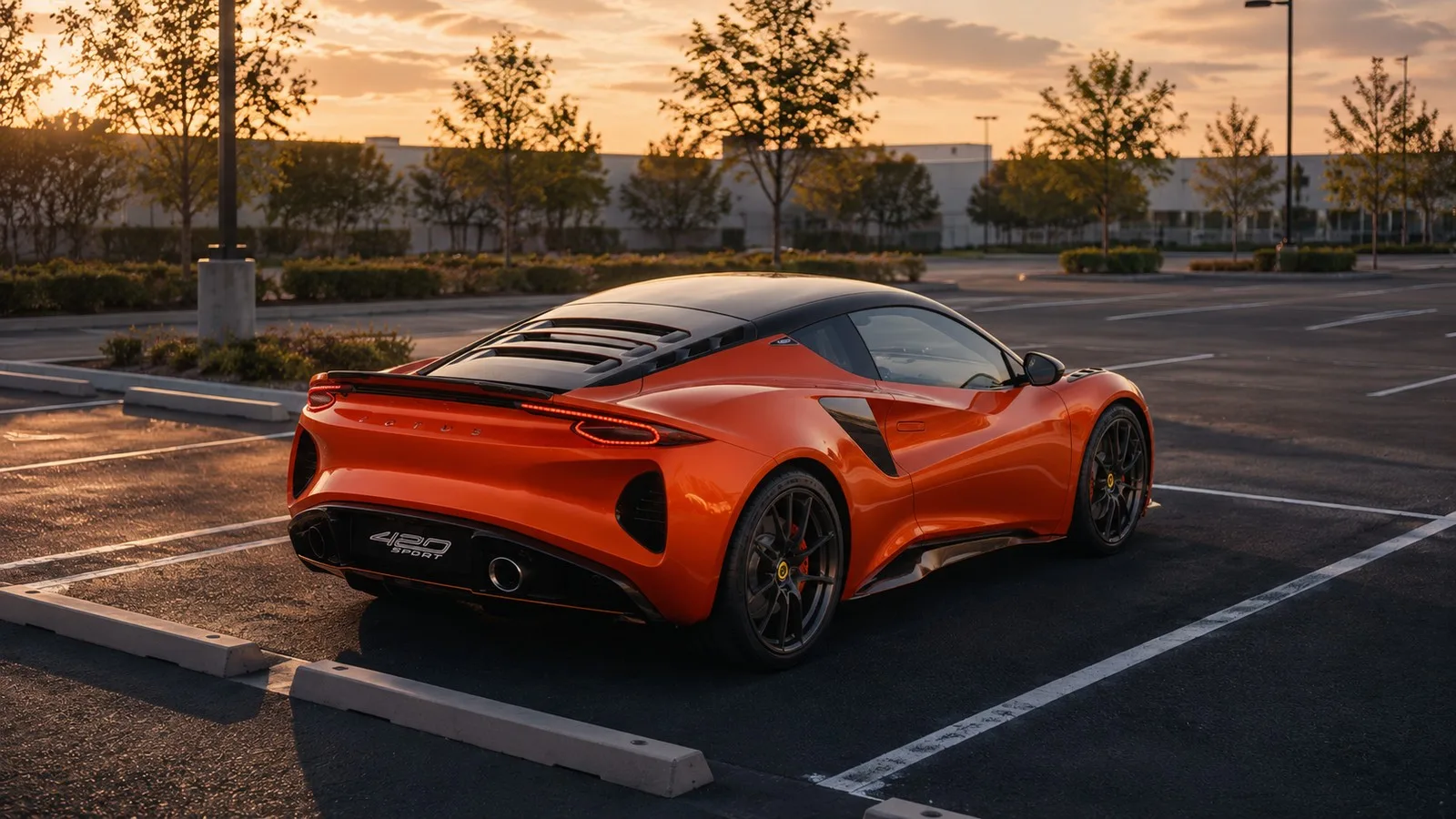
Exhaust gases are routed through a beautiful, lightweight titanium exhaust system. This system sheds critical weight behind the rear axle line, optimizing the vehicle’s polar moment of inertia while delivering a crisp, natural engine note.
Specialized Carbon Panels and Advanced Lithium Cells
Traditional lead-acid electrical storage is replaced with a compact, motorsport-spec Lithium-Ion battery, saving several kilograms. This is complemented by carbon fiber automotive aerodynamic components, including structural body accents that provide structural strength without unnecessary mass.
Technical Specifications: The Performance Architecture
To understand how the new model compares to the existing performance standards of the brand, review the core engineering specifications outlined in the matrix below:
| Technical Performance Metric | Standard Emira Baseline Specifications | New Emira 420 Sport Configurations |
| Engine Displacement Layout | 2.0-Liter 4-Cylinder Turbocharged | 2.0-Liter High-Output Inline-Four |
| Peak Power Rating Output | 360 Horsepower | 420 Horsepower |
| Max Torque Threshold | 430 Newton-Meters | 500 Newton-Meters |
| Transmission Architecture | 8-Speed Automated Dual-Clutch | 8-Speed Track-Calibrated DCT |
| Acceleration (0-100 km/h) | 4.4 Seconds | 3.9 Seconds |
| V-Max Maximum Velocity | 290 km/h | ~300 km/h |
| Primary Chassis Damping | Fixed Hydraulic Monotube | Dual-Adjustable Multimatic System |
| Total Weight Profile Saving | Standard Factory Weight | -25 kg Reduction via Handling Pack |
Aerodynamics and Thermal Management: Functional Fluid Dynamics
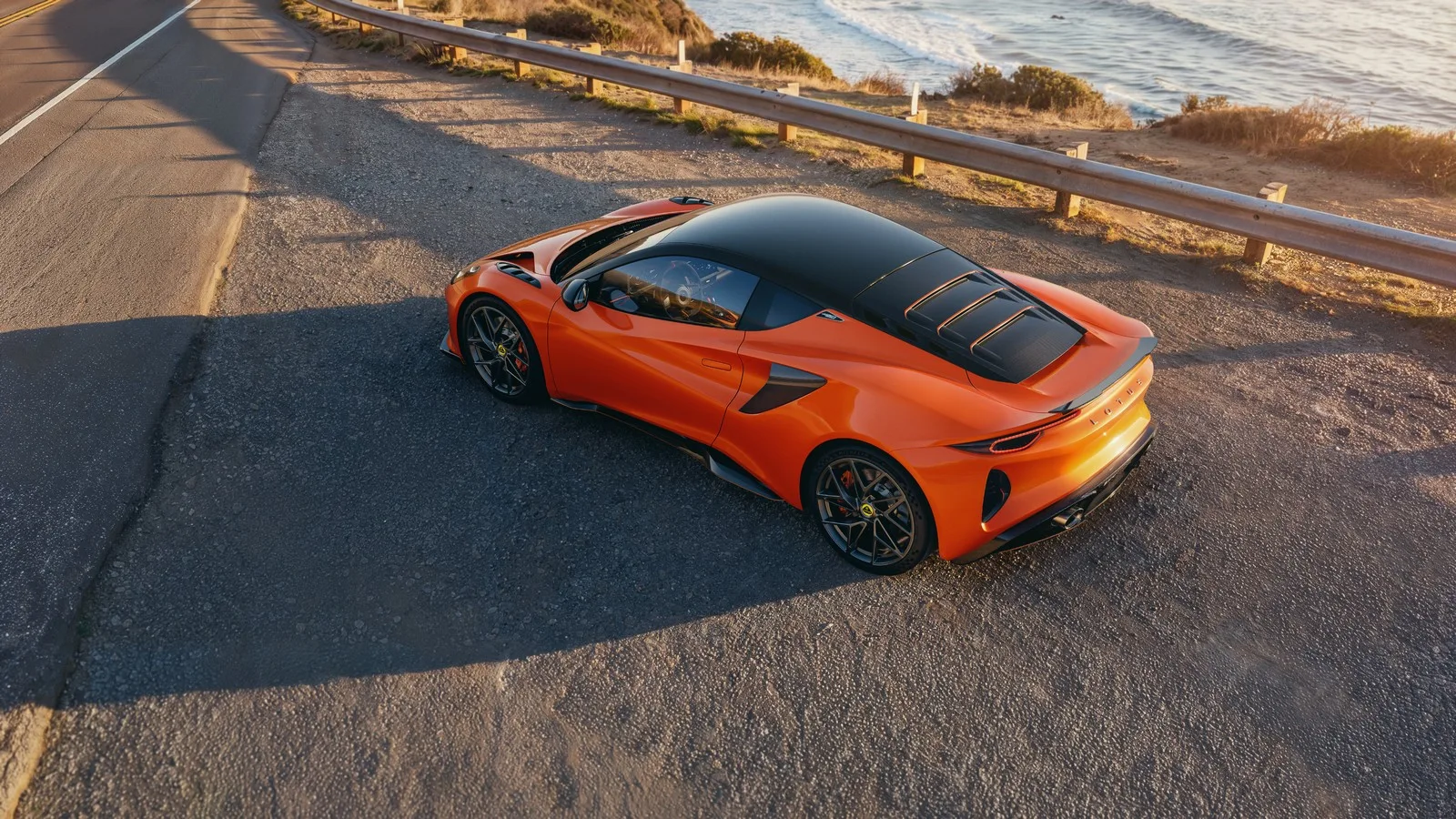
The striking exterior revisions on the car are not just for visual display; they are a direct response to the massive thermal demands of sustained high-speed circuit driving. When an engine generates 420 hp from a tight 2.0-liter displacement, managing airflow and heat rejection is essential for preventing power limitations or engine protection derate states.
                          [ Airflow & Heat Rejection Enhancements ]
                                              │
         ┌────────────────────────────────────┼────────────────────────────────────┐
         ▼                                    ▼                                    ▼
 [ +15% Outer Radiator Flow ]        [ +14% Central Cooling Flow ]        [ +10% Brake Caliper Flow ]
 • Enlarged Intake Inlets            • Redesigned Nose Splitter           • Target Duct Channels
 • Optimized Vent Lamellas           • Low-Pressure Air Outlets           • Thermal Fade Elimination
By redesigning key body components, the engineering team has achieved significant improvements in overall fluid dynamics and heat management:
-
Outer Radiator Airflow (+15%): Enlarged lateral intake ducts and deeper front side scoops capture more air, cooling auxiliary intercooler cores efficiently under hard acceleration.
-
Central Cooling Core Airflow (+14%): A newly sculpted front splitter and low-profile hood extractors pull air directly through the main central radiator, increasing high-speed thermal transfer.
-
Brake Cooling System Efficiency (+10%): Targeted ventilation channels direct cool, high-velocity air directly onto the multi-piston front brake calipers, eliminating thermal pedal fade during long track sessions.
-
Exhaust Valve Ventilation (+30%): Airflow around the rear exhaust valves is vastly improved, allowing heat from the titanium exhaust system to escape quickly.
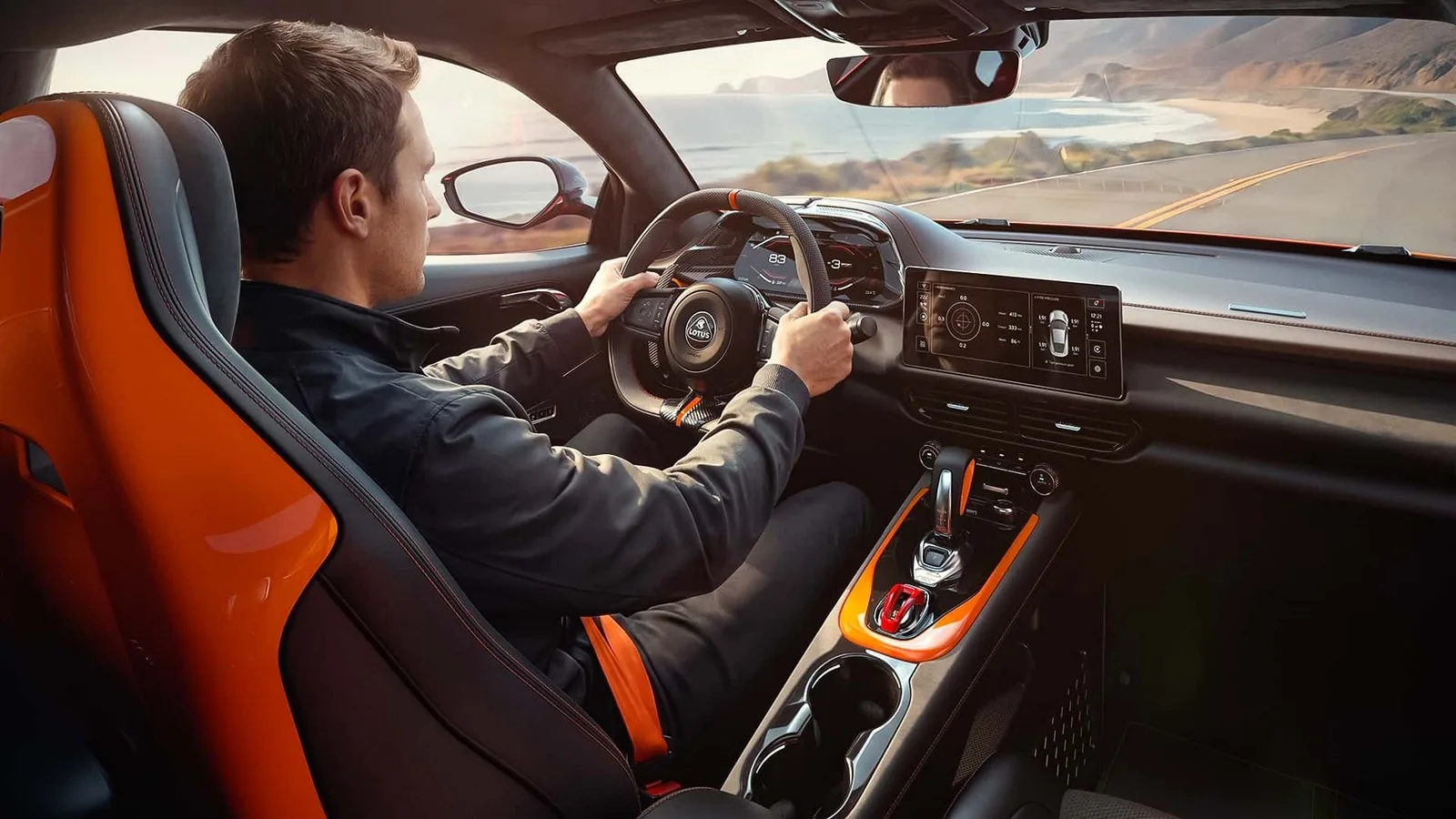
Cockpit Ergonomics: A Dedicated Driver Workspace
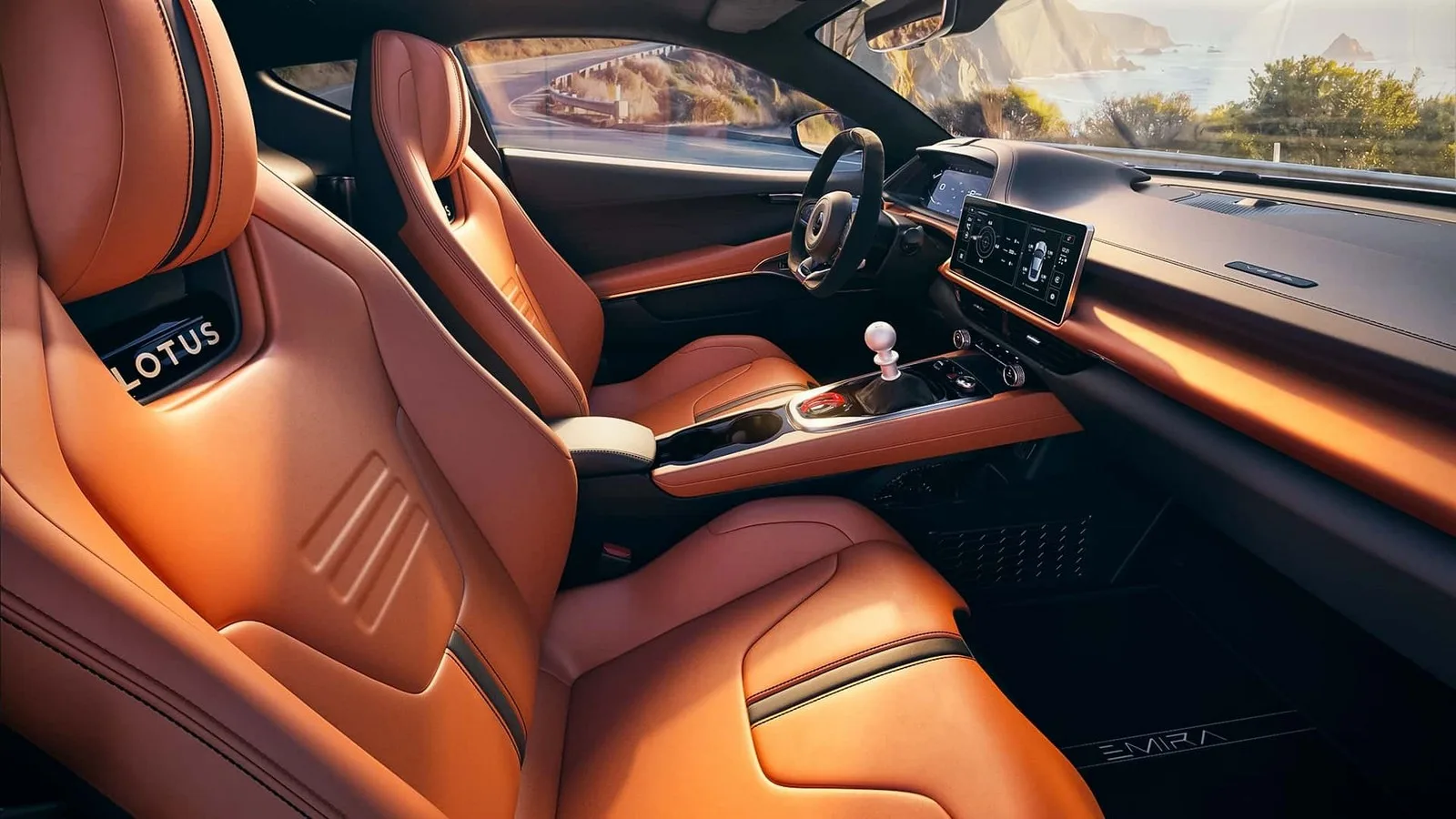
Inside the cabin, the layout focuses entirely on supporting the driver. It avoids distracting digital menus, prioritizing physical control and immediate haptic feedback instead.
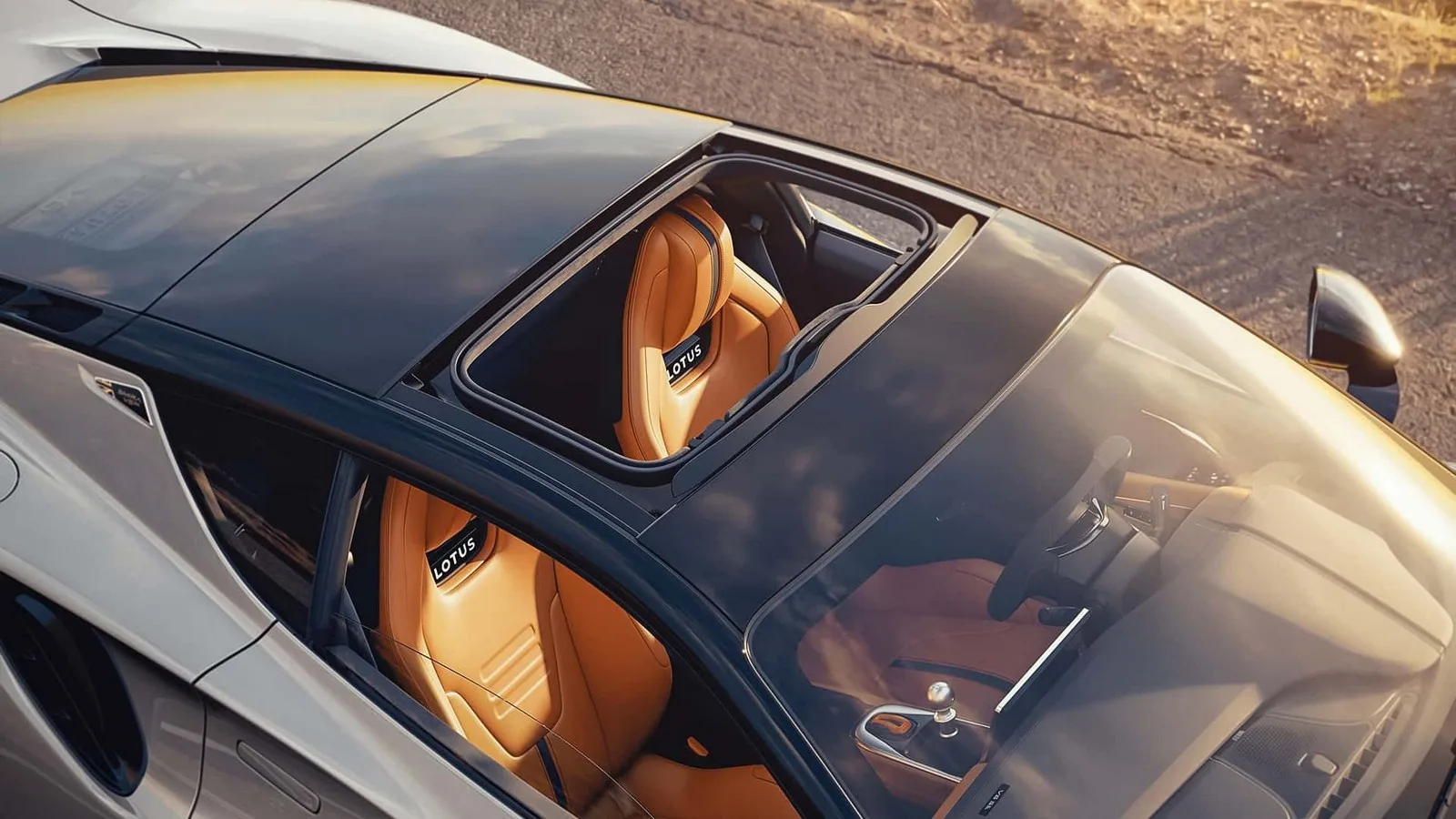
The driver interacts with a motorsport-inspired steering wheel fitted with extended carbon fiber paddle shifters, providing sharp, satisfying gear engagement. The standard interior features highly bolstered, 12-way adjustable sport seats that offer exceptional lateral support during high-G cornering without sacrificing long-distance comfort.
                   [ Drivers Cabin Interface Architecture ]
 ┌───────────────────┬───────────────────────────┬─────────────────────────┐
 |  Carbon Paddles   |   12-Way Sport Seating    |   Track Telemetry App   |
 | (Immediate Shift) |  (High-G Lateral Support) |  (Real-Time Analytics)  |
 └───────────────────┴───────────────────────────┴─────────────────────────┘
For track enthusiasts, the integrated track performance telemetry application acts as an on-board race engineer. This digital tracking tool maps live circuit positions, logs precise sector split times, and monitors real-time tire temperatures and pressure variations, allowing drivers to analyze and refine their pace with actual data.
Personalization: Premium Architectural Aesthetics
True luxury lies in customization, and Lotus offers a diverse palette of premium visual options to tailor the car to your exact preferences. Customers can choose from an extended Carbon Fiber Pack that adds clear-coated composite accents across the exterior shell.
The revised wheel wells are filled out by stunning 20-inch forged lightweight alloy wheels finished in a striking Satin Dark Grey tone. These wheels minimize unsprung mass, further sharpening steering response.
Finally, to complete the aggressive look, the paint palette expands to 16 distinct exterior shades, featuring bold choices like Tangelo Orange—a brilliant hue that highlights the car’s aggressive aerodynamic lines.
Final Verdict: The True Successor to Purist Heritage
The new model represents a masterclass in modern sports car engineering. By combining advanced dual-clutch transmission speeds with analog chassis tuning, adjustable Multimatic damping, and highly functional aerodynamic optimization, Lotus has delivered a vehicle that honors its lightweight heritage while offering competitive performance on modern circuits. For the purist driver who values tactile steering feel, linear braking modulation, and absolute track capability, this car stands out as an exceptional choice.
Source: 2027 Lotus Emira 420 Sport startet als schärfste Version mit Glasdach


✍️ Author: Bejenaru Alexandru Ionut – [email protected]
🔗 Internal link: https://diagnozabam.ro/sfaturi

Recommendation: Looking for a professional bi-directional diagnostic tool with full system coverage? Use code DIAGNOZABAM for 10% off.
Transparency note: Affiliate link. Purchasing through it costs you nothing extra. View Thinkcar Deal →